
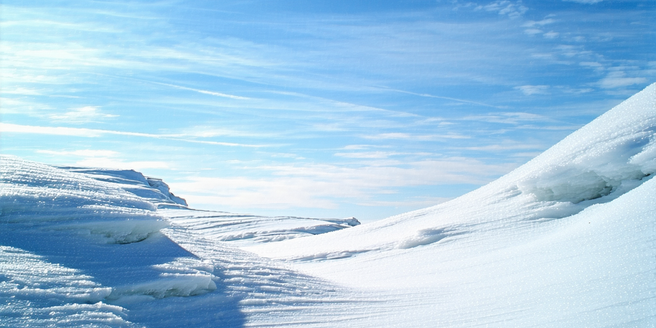
Understanding Snow-Covered Landscapes
Understanding snow-covered landscapes is crucial for safe navigation during winter. These areas can be deceptive, hiding features like crevices and rocks under a blanket of white. Surface conditions such as fresh powder, packed snow, and ice can drastically affect movement. Observing the contours of the landscape helps identify potential hazards and safe routes. Pay attention to wind patterns that may have swept snow into dangerous drifts. Recognize that snowy landscapes change rapidly with weather shifts, impacting visibility and trail conditions. Familiarity with how snow accumulates and melts can assist in predicting landscape changes. Utilizing information on snow type and depth helps in selecting the appropriate gear and tactics for crossing. This understanding of snow-filled terrains ensures safe travel, minimizing risks of disorientation or accidents.
Essential Tools for Winter Navigation
Navigating through snowy terrains requires essential tools that ensure precision and safety. A reliable compass and durable map are fundamental, offering directional guidance when landmarks are obscured by snow. GPS devices serve as excellent supplements, providing accurate location data and route planning capabilities. Avalanche beacons are critical for safety in mountain regions, allowing rescuers to locate individuals quickly. Snowshoes or skis are invaluable for even distribution of weight, reducing sinkage and enabling easier movement across deep snow. Trekking poles offer stability on slippery surfaces, ensuring balance. A snow shovel is useful for clearing paths and emergency shelters. Carrying a weather-resistant flashlight ensures visibility during low-light conditions common in winter. Proper understanding of these tools transforms a winter landscape from a bewildering challenge into a terrain that can be safely navigated.
Techniques for Tracking in Snow
Tracking in snow involves both science and art, requiring sharp observation and patience. Freshly fallen snow can easily display animal footprints, human paths, and vehicle tracks, holding valuable clues about recent activity in the area. Observing track patterns, size, and depth can help identify the type of creature or conveyance and its direction of travel. Recognizing the timelines when tracks were made involves checking the sharpness of edges and any overlapping snowfall. Tracking skills also account for environmental influences; wind can distort tracks, while sunlight may cause melting. Look for additional signs like scat, disturbed vegetation, or marks on snow-covered branches to complement track identification. Building and refining these techniques aids in understanding wildlife behavior, verifying navigational direction, or retracing steps. Mastery of snow tracking provides a practical skill for anyone venturing into winter wilderness.
Assessing Weather Conditions and Hazards
Assessing weather conditions and potential hazards is paramount when navigating snow-filled areas. Weather can change swiftly in winter, turning what appears to be a sunny day into a blizzard with limited visibility. Understanding weather forecasts enables preparedness for such shifts. Monitor temperature changes since they influence snow and ice stability. Wind speed and direction are crucial as they can cause dangerous drifts and affect visibility. Cloud formations offer clues; swiftly moving clouds might signal an approaching storm. Staying informed about avalanche risks is crucial in mountainous terrain, requiring attention to local advisories and snow stability tests. Recognizing the warning signs and knowing when to modify or abandon plans minimizes risks. Equipping oneself with knowledge of potential hazards empowers travelers to make informed decisions, ensuring safety on winter expeditions.
Improving Your Map and Compass Skills
Improving map and compass skills fortifies one’s ability to navigate confidently in snowbound areas. Mastery of reading topographical maps ensures a thorough understanding of the landscape, helping pinpoint locations even when trails are obscured. Always orient a map to local landmarks before progressing. Proficiency in using a compass, like setting bearings, allows for precise directional travel regardless of visibility conditions. Regularly check bearings against map features to ensure accuracy. Practice taking back bearings for retracing steps. Familiarity with declination, the angle difference between magnetic north and true north, is essential to prevent navigation errors. Trust your instruments but also pay attention to environmental signs that align with your route. Practicing navigation under various conditions builds competence, ensuring that even in the trickiest snow-covered environments, your path remains clear and safe.