
Understanding Common Causes of Basement Water Damage
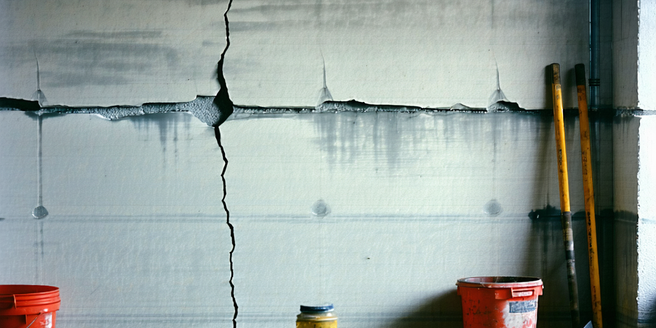
Basements are prone to water damage due to several common sources. Poor drainage around your home’s foundation, such as clogged gutters or poor grading, allows water to pool and seep into the basement. Installing a sump pump can help mitigate the risk of flooding by efficiently redirecting water away from your home. Heavy rain and melting snow can exacerbate this issue. Cracks in the walls or floors of the basement can also let water in, especially if they are left unsealed. Plumbing leaks from pipes that run through your basement can also flood the area quickly. Finally, high humidity levels combine with natural groundwater pressure to create condensation, which can contribute to dampness and mold growth if not properly managed.
Effective Waterproofing Techniques for Basements
Implementing effective waterproofing techniques is essential to keeping your basement dry. Start by improving the exterior drainage by installing proper gutter systems and ensuring that downspouts direct water at least a few feet away from the foundation. It’s also important to grade the soil around your home so that it slopes away from the foundation. Apply sealants to existing cracks in the basement walls and floors. Adding an interior drainage system, such as a French drain, can redirect water that seeps through to a sump pump. Installing a vapor barrier on walls can prevent moisture from infiltrating. Additionally, consider a waterproof coating on the interior walls and floors to provide an extra layer of protection. Regular maintenance and inspections greatly enhance these preventive measures.
Choosing the Right Sump Pump for Your Basement
Selecting the right sump pump is crucial for basement water management. Begin by understanding your basement’s specific needs: size, frequency of water infiltration, and your area’s rainfall patterns. Ensure you also assess the location of the sump pit to determine optimal pump placement. A primary sump pump is essential; it can be either pedestal or submersible, with the latter being quieter and more efficient for large volumes of water. Consider a secondary battery-operated backup pump to ensure functionality during power outages. GPH rating, indicating gallons per hour the pump can handle, should match expected water loads. Alarms that alert you when water rises to a certain level are helpful. Durability, cost, and warranty are additional factors worth considering when making your choice.
The Role of Landscaping in Water Damage Prevention
Thoughtful landscaping plays a significant role in basement water damage prevention. Proper grading ensures that water flows away from the foundation, which can be achieved by creating a gentle slope away from the home. Installing drainage systems, such as French drains, can further enhance water management around the property. Planting native plants with deep root systems can help absorb excess water. Consider installing a rain garden to manage runoff naturally. The use of permeable materials for patios or driveways allows better water infiltration into the soil, reducing surface runoff. Additionally, ensure that irrigation systems are positioned to avoid excessive watering near the home’s foundation. Regularly maintain landscaping elements to ensure they function effectively in directing water away from the building.
Essential Maintenance Tips for a Dry Basement
Maintaining a dry basement requires vigilance and routine checks. Regularly inspect basement walls and floors for cracks and seal them promptly. Ensure that gutters and downspouts are cleaned regularly to avoid overflow and ensure water is directed far from the foundation. It’s also a good idea to check the grading around your home to ensure water is naturally flowing away from the foundation. Use a dehumidifier in the basement to control humidity levels, preventing mold growth. Test your sump pump routinely by pouring water into its pit to ensure it activates properly. Check that window wells are clear of debris that could impede drainage. Finally, organize belongings to keep valuable or sensitive items off the floor in case of unexpected water infiltration.