
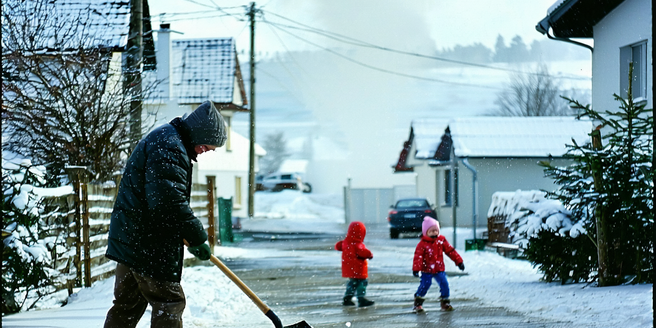
Understanding Snow Types and Properties
To effectively shovel snow, it’s crucial to understand the different snow types, as their properties affect the effort required. Light, powdery snow is easy to remove and poses little resistance. Wet, heavy snow can be compacted and hard to shift, requiring more manual power. Ice crusts can form on top, adding a challenge. Recognizing the snow type allows you to adjust your approach. For instance, powder snow can be quickly cleared using a snow blower, while wet snow requires a sturdy shovel. The temperature and moisture content are key factors that influence snow behavior, making knowledge an advantage. Additionally, observing the weather conditions that lead to specific snow types can help you prepare and choose the correct tools, optimizing your effort and time in clearing pathways effectively.
Choosing the Right Shovel and Equipment
Selecting the appropriate shovel is a crucial part of effective snow removal. Different shovels are designed for various types of snow and personal preferences. A lightweight plastic shovel is ideal for light snow, whereas a metal one offers strength for heavy, wet snow. Ergonomic designs help reduce strain on your back and joints. Features like adjustable handles or wheels can also enhance comfort and efficiency. Complementary equipment such as snow blowers or snow brooms can assist in clearing large areas or light snowfalls quickly. Wear sturdy, waterproof footwear with good grip to prevent slipping. Insulated, water-resistant gloves protect your hands and maintain dexterity. Goggles shield your eyes from glaring sun off the snow surface. Understanding your needs and preparing with the right tools can significantly improve your snow-shoveling experience and safety.
Proper Body Mechanics to Prevent Injury
Using proper body mechanics while shoveling snow is essential to prevent injuries. Begin by standing with feet shoulder-width apart to maintain balance. Bend at the knees, not the waist, to lift snow. Keep the shovel blade close to your body to reduce strain. When lifting, use your legs to power the movement instead of your back; this minimizes the risk of back injury. Avoid twisting your torso while throwing the snow; instead, pivot your whole body. Take frequent breaks to prevent fatigue, and switch the lead hand regularly to distribute muscle exertion evenly. Warm-up exercises before shoveling can prepare your body for the physical demands involved. Staying attentive to body signals and adjusting the technique when discomfort arises can greatly enhance safety and effectiveness during snow removal tasks.
Step-By-Step Shoveling Method
Adopting an efficient shoveling method can save energy and time. Start by clearing a path around the perimeter of your driveway or walkway. Push the snow rather than lifting it, and work with the natural direction of snow piles. Shovel early and frequently to prevent accumulation, especially during extended snowfalls. For heavy or deep snow, divide it into smaller sections to manage the workload effectively. Clear areas in layers, shaving off inches from the top rather than trying to remove the full depth at once. Utilize a sweeping motion to gather loose snow on top before tackling the denser layers underneath. As a rule of thumb, clear snow when there’s less than six inches on the ground to maintain manageability and reduce strain. This systematic approach enhances productivity while minimizing physical stress.
Post-Shoveling Maintenance and Storage Tips
After shoveling, it’s important to perform some maintenance and storage for your equipment. Clear any residual snow and ice from the shovel to prevent corrosion and ensure longevity. Dry the metal parts thoroughly and consider applying a light coat of lubricant or rust inhibitor before putting the shovel away. Store shovels in a dry location to avoid exposure to moisture. Regularly inspect them for damage such as cracks or loose handles, and perform necessary repairs promptly. Sharpen shovel blades as needed to keep them effective. Organize storage spaces to make equipment easily accessible for future snowfalls. Additionally, stretch your muscles to alleviate any strain from the task. Staying hydrated during and after shoveling replenishes fluids lost, helping maintain overall well-being. With proper maintenance and care, your snow removal tools will serve you reliably throughout the season.