
Understanding Aerosols and Their Sources
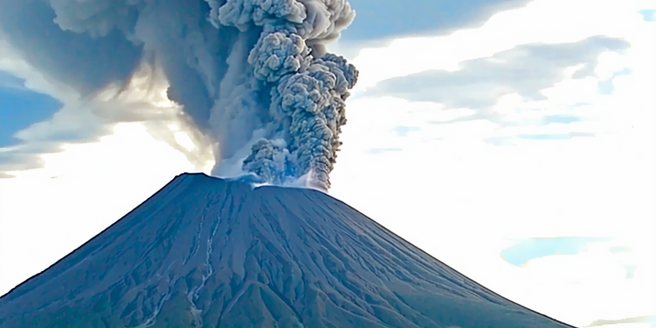
Aerosols are tiny particles suspended in the atmosphere, originating from both natural and anthropogenic sources. Natural sources include volcanic eruptions, forest fires, and wind-blown dust, while human activities contribute through industrial emissions, vehicle exhaust, and biomass burning. Understanding aerosols’ diverse origins is crucial because they influence not only air quality but also climate systems. Different sources release aerosols of varying sizes and compositions, affecting how they interact with sunlight and clouds. Fine particles, often from human sources, can travel long distances, while larger particles generally settle more quickly. Monitoring and regulating anthropogenic aerosol emissions are vital for implementing effective environmental and climate policies. Recognizing the balance between these different sources helps predict their broader impacts on atmospheric processes.
The Role of Aerosols in Cloud Nucleation
Aerosols play a critical role in cloud nucleation, serving as cloud condensation nuclei (CCN) that initiate the process of cloud droplet formation. Without aerosols, clouds would be unlikely to form, as water vapor alone requires a surface to condense onto. The concentration and type of aerosols influence the microphysical properties of clouds. High concentrations of aerosols can lead to clouds with more, but smaller, droplets. This impacts cloud reflectivity and longevity, affecting the earth’s radiation budget. The variation in cloud droplet size influences precipitation patterns, potentially suppressing rainfall or increasing its intensity elsewhere. Understanding the aerosol-cloud interaction is vital for predicting weather and climate changes as it affects energy transfer in the atmosphere.
How Aerosol Types Influence Cloud Properties
The type of aerosol in the atmosphere significantly influences cloud properties. Hygroscopic aerosols, such as those from sea salt or sulfate, readily absorb moisture and are effective at forming cloud droplets. Conversely, hydrophobic aerosols, like certain organic particles, are less efficient in cloud droplet nucleation. This distinction determines cloud albedo, or reflectivity, which in turn impacts climate systems. Clouds formed on hygroscopic aerosols tend to have larger and more numerous droplets, enhancing albedo and cooling the atmosphere. On the other hand, clouds formed on hydrophobic aerosols may produce less reflective clouds, altering precipitation patterns. By studying aerosol compositions, scientists can better predict cloud behavior and their subsequent effects on weather patterns.
Impacts of Aerosols on Precipitation Patterns
Aerosols influence precipitation patterns through their role in cloud microphysics. When aerosols act as cloud condensation nuclei, they can modify the size and concentration of cloud droplets. High aerosol concentrations often lead to clouds with numerous small droplets, which can inhibit rainfall by reducing the merge of droplets necessary for precipitation. However, certain aerosols can also lead to intense localized rainfall events by encouraging rapid droplet growth. The presence of aerosols thus creates variability in precipitation, affecting not only weather patterns but also water resource management. Understanding these interactions helps in predicting changes in regional precipitation and developing strategies for water conservation and agriculture planning in the context of climate change.
Climate Implications of Aerosol-Cloud Interactions
Aerosol-cloud interactions have significant implications for climate systems. These interactions can alter the reflectivity of clouds, affecting the earth’s radiation balance. Increased aerosol concentrations typically result in more reflective clouds, which can lead to cooling effects on the climate. However, they can also influence cloud lifetimes and increase the greenhouse effect by trapping heat. Aerosols can mask the full extent of global warming by counteracting some of the warming from greenhouse gases. This complicates climate models and predictions, as aerosol emissions are more localized and variable compared to greenhouse gases. Reducing aerosol emissions alongside greenhouse gases is essential to comprehensively address climate change, considering their complex interactions with cloud properties.
Future Research Directions in Aerosol Studies
Future research in aerosol studies aims to unravel the complexity of their interactions with climate systems. Integrative approaches merging satellite observations, ground-based measurements, and advanced modeling techniques are crucial. Improved understanding of aerosol sources, chemical compositions, and lifecycle will enhance predictions on cloud formation and precipitation patterns. Studies focusing on the regional effects of aerosols, especially in rapidly industrializing areas, are necessary to understand their localized impact. Additionally, exploring the synergies between aerosols and greenhouse gases can offer insights into mitigation strategies for climate change. International collaboration is essential to standardize measurements and share data, enabling a comprehensive understanding of aerosols’ roles in Earth’s climate.