
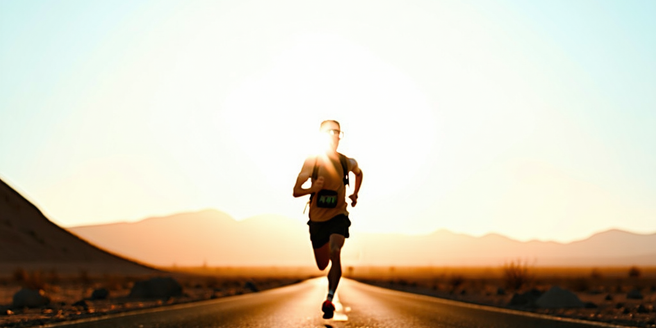
Understanding the Impact of Heat on Your Body
Walking in hot climates can place additional stress on your body, affecting everything from your cardiovascular system to your skin. Heat exposure triggers your body to attempt to regulate its core temperature through sweating and increased heart rate. This natural response, known as thermoregulation, is essential but can be taxing on your system, especially during prolonged outdoor activities like walking. Therefore, wearing appropriate clothing and staying hydrated are crucial for minimizing risk. You may become dehydrated quickly, leading to symptoms of heat exhaustion such as dizziness or headaches. Understanding these impacts helps in preparing adequately for physical activities by adjusting intensity and duration. Allowing your body to acclimatize gradually increases your heat tolerance, ensuring a safe exercise routine.
Optimal Time Frames for Walking Safely
Choosing the right time of day for your walk in hot climates can significantly reduce heat exposure and related stress. Early morning and late evening are generally safer, as temperatures tend to be lower. It’s also important to stay hydrated no matter the time you choose to walk. The period between 10 a.m. and 4 p.m. is often the hottest, resulting in increased risks of heat-related illnesses. During these cooler times, not only is the ambient temperature lower, but so is the intensity of sunlight, reducing the UV exposure which can be harmful. Adjusting your walking schedule can help maintain your routine without compromising your health. Monitoring weather forecasts can also assist in planning your activities around the least stressful conditions.
Choosing Appropriate Clothing and Gear
In hot climates, selecting suitable clothing and gear is critical to ensure comfort and safety during your walk. Lightweight, breathable fabrics like cotton or specialized moisture-wicking materials are ideal as they help to keep sweat away from your skin. Light-colored clothing reflects sunlight instead of absorbing it, keeping you cooler. Staying hydrated is equally vital, so don’t forget to carry plenty of water. It’s important to prepare for changing weather conditions, even on seemingly predictable days. Hats and sunglasses are also valuable accessories for protecting your face and eyes from harsh UV rays. Consider footwear that allows your feet to breathe and avoid heavy materials that retain heat. The right gear does not only improve comfort but also aids in effective temperature regulation.
Hydration Strategies to Beat the Heat
Proper hydration is vital when walking in hot climates. Since body fluids are lost rapidly through sweat, it is important to hydrate before, during, and after physical activity. Carrying a water bottle makes it easy to sip regularly, preventing dehydration. Electrolyte solutions can also aid in replenishing lost salts and minerals. Wear light clothing to help your body stay cool and lose less water through perspiration. Avoid drinks with high sugar or alcohol content as they can accelerate dehydration. Recognizing thirst and responding promptly by drinking can maintain your body’s cooling mechanisms effectively, allowing you to walk safely despite the heat. Hydration strategies are an essential part of your healthy exercise routine in hot weather.
Adapting Your Pace and Route for Comfort
Adjusting the pace of your walk and the route you choose can enhance comfort and safety in hot conditions. Slowing down helps your body manage heat stress more effectively. Staying hydrated is also essential to maintaining energy and preventing dehydration in the heat. Shorter, less strenuous walks are often more manageable and reduce the risk of overheating. Consider paths that offer shade, such as tree-lined trails or routes with buildings that provide natural cover. Planning less direct routes that favor cooler areas can make a significant difference in your comfort level. Listening to your body and taking breaks when needed is crucial in avoiding heat-related issues while maintaining an enjoyable walking experience.