
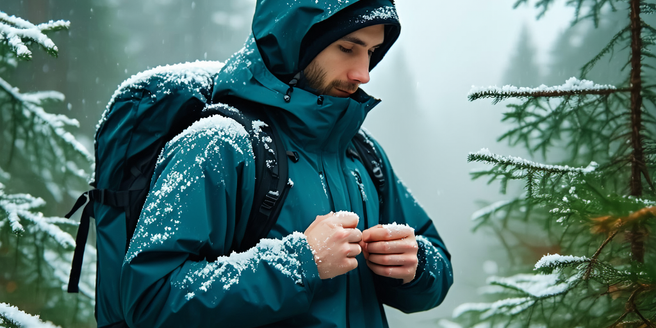
Layering Clothing for Maximum Warmth
Mastering the art of layering is crucial for maintaining warmth during the winter. Start with a moisture-wicking base layer to keep sweat away from your skin. A thermal or wool layer comes next, providing insulation to retain body heat. Make sure this mid-layer is breathable but efficient in trapping warmth. Finally, finish with a waterproof and wind-resistant outer shell to protect against harsh elements. Each layer should be the right fit, neither too tight nor too loose, to ensure optimal thermal efficiency. Opt for materials like merino wool or polyester that dry quickly and offer excellent insulation even when wet. By strategically layering, you can easily adjust to varying temperatures and activity levels by removing or adding layers, ensuring comfort throughout your winter travel adventures.
Choosing the Right Footwear for Snowy Conditions
Selecting the ideal footwear for snowy conditions is vital for safety and comfort. Start by choosing boots that are waterproof to prevent your feet from getting wet, which can lead to cold feet or frostbite. Look for materials like Gore-Tex or waterproof leather. Insulation is also key; boots with interior linings made from Thinsulate or shearling are recommended. A sturdy, grippy sole is essential to prevent slipping on ice or snow; consider boots with deep treads or lug patterns. Fit is crucial, so ensure enough space for thick socks without being too loose. Additionally, opt for boots with ankle support for added stability on uneven surfaces. By investing in quality footwear designed for snow, you can ensure both warmth and safety during your winter escapades.
Key Accessories to Battle the Chilly Winds
Accessories can significantly enhance your comfort against the winter chill. A quality hat, preferably wool or fleece, is essential for minimizing heat loss from your head. Next, a scarf can protect your neck and lower face from the biting wind. Choose one made from cashmere or heavy knitting for maximum warmth. Gloves are non-negotiable; consider insulated, waterproof versions to keep your hands warm and dry. Sunglasses or goggles help protect your eyes from the glare of snow and wind. Don’t underestimate the power of warm socks; opt for merino wool or thermal ones to keep feet toasty. Lastly, hand and toe warmers can provide extra heat on especially cold days. By integrating these accessories, you add layers of protection against the elements.
Safety Gear for Winter Adventures
When embarking on winter adventures, safety gear is just as important as warmth. A reliable GPS device is essential for navigation in remote areas where trails may be obscured by snow. Carry a basic survival kit including items like a flashlight, matches, a whistle, and a survival blanket. A first-aid kit tailored for cold weather should include items like blister treatment and wound care supplies. Avalanche safety gear, such as a beacon, probe, and shovel, is vital for those venturing into mountainous regions. Equipping yourself with a multi-tool and a durable phone case for emergencies ensures preparedness for unforeseen circumstances. Adequate safety gear not only enhances your security but also provides peace of mind, allowing you to focus on the breathtaking beauty of your winter surroundings.
Packing the Perfect Winter Travel First-Aid Kit
Preparing a specialized first-aid kit for winter travel is essential for handling emergencies. Start with basic items like adhesive bandages, antiseptic wipes, and gauze pads. Include blister treatment solutions, as cold weather and layered socks can cause friction. Pack cold-specific supplies like instant heat packs to prevent frostbite and hypothermia. Cotton swabs and tweezers are handy for handling minor injuries. Over-the-counter pain relievers and antihistamines should also be part of your kit for dealing with discomfort or allergies. Ensure you have a thermal blanket to provide immediate warmth if necessary. Consider medications for altitude sickness if traveling to high elevations. By packing a comprehensive first-aid kit, you can address unexpected medical issues confidently during your winter journey.