
Understanding Your Winter Camping Environment
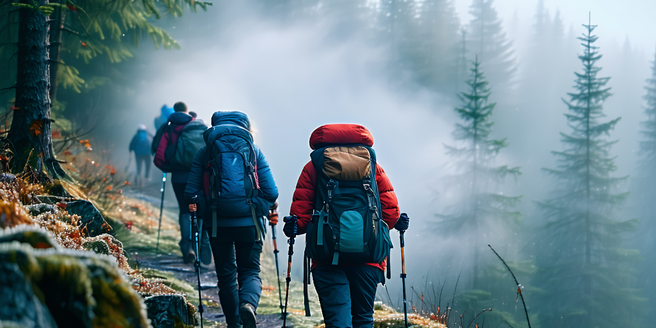
Before you embark on a winter camping adventure, it’s crucial to understand the specific environment you will be facing. Different terrains and climates require different preparations. For instance, camping in a snowy forested area presents different challenges than a wind-swept mountain. Knowing the average temperatures, snowfall levels, and potential for storms will help tailor your gear to meet these conditions. Additionally, understanding the wildlife activity typical to the area ensures you’re prepared for any encounters. By fully understanding your environment, you can make informed choices about the gear you’ll need to stay safe and enjoy the serenity of winter camping.
Essential Clothing for Cold Weather Protection
Layering is vital when it comes to staying warm during winter camping trips. Start with a moisture-wicking base layer to keep sweat away from your body. Follow with an insulating mid-layer made of wool or synthetic material that retains heat. Consider packing extra layers for added flexibility in fluctuating temperatures. The outer layer should be windproof and waterproof to protect against elements. Don’t overlook accessories like hats, gloves, and thermal socks, as extremities are most susceptible to frostbite. Choosing the right clothing not only provides warmth and comfort but also enhances your ability to enjoy the winter landscape without worry.
Selecting the Perfect Winter Sleeping Bag
A winter sleeping bag is crucial for a comfortable night in the cold. Look for a sleeping bag with a temperature rating lower than the coldest conditions you expect to face. Be sure to test the bag before your trip to ensure it meets your expectations. Insulation type, whether down or synthetic, affects warmth and packability; down offers excellent warmth-to-weight but loses effectiveness when wet, while synthetic performs better in damp conditions. Consider a bag with a hood and draft collar for optimal heat retention. Ensuring your sleeping bag meets your specific comfort needs will help ensure restful nights and energy for the next day’s adventures.
Choosing the Best Winter Tent for Your Needs
Selecting a tent designed for winter weather is paramount. Winter tents, also known as four-season tents, are built to withstand heavy snow loads and strong winds. It’s also advisable to check for snow flaps that can be secured with snow to further anchor the tent. Look for sturdy poles and a durable fabric construction that can hold thermal ground cloths or liners for added insulation. Proper ventilation is vital to prevent condensation inside the tent. Additionally, consider easy-to-use zippers and quick-setup features, since dexterity may be reduced in freezing temperatures. A reliable tent not only offers shelter but contributes to peace of mind, allowing you to focus on the awe of nature.
Footwear That Keeps You Warm and Dry
When venturing into a winter wonderland, the right footwear is essential. Look for waterproof boots with adequate insulation to keep toes warm. Remember to also consider the weight of the boots, as lighter options can make long treks more manageable. The sole should offer good traction for slippery surfaces, and a high-cut design helps prevent snow from entering. Gaiters can add an extra layer of snow protection, especially in deep conditions. Comfort is as important as warmth and dryness; ensure the boots fit well and allow for movement without pinching or rubbing. Proper footwear keeps your feet warm, dry, and comfortable, making all the difference on a cold-weather expedition.
Additional Gear and Accessories to Consider
Beyond the basic essentials, additional gear can enhance your winter camping experience. Consider investing in a portable stove for hot meals and drinks, essential for keeping your core temperature up. A winter-specific backpack with insulation properties can help maintain the warmth of gear and supplies. Trekking poles offer stability in snowy conditions, and portable heaters provide extra warmth in tents or common areas during prolonged stays. Don’t forget emergency supplies including a first-aid kit and satellite phone for remote locations. Thoughtful inclusion of these items elevates comfort and safety in the unpredictable winter wilderness.