
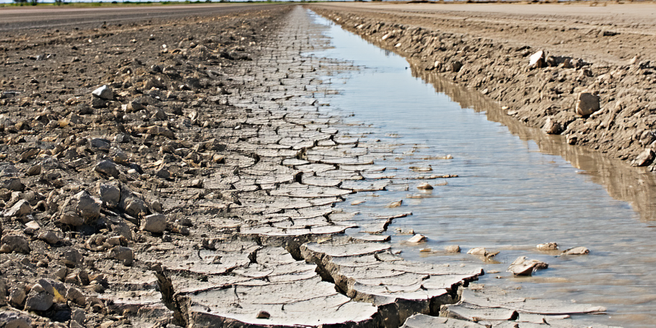
The Science Behind Extreme Heat Events
Extreme heat events are increasing due to shifts in climate dynamics spurred by human activities. As greenhouse gases accumulate in the atmosphere, they trap heat, resulting in rising global temperatures. These heat events are often linked to persistent high-pressure systems that inhibit cloud formation and wind patterns, creating stagnant conditions. Understanding the atmospheric mechanisms behind these events is critical. Recent studies have shown that urbanization further exacerbates the effects of these heat events. By grasping these mechanisms, policymakers can better formulate strategies to mitigate the impacts of extreme heat. Researchers use climate models to study historical data, identifying patterns and predicting future conditions. This helps elucidate how local geography, ocean currents, and atmospheric circulation contribute to the frequency and intensity of heatwaves.
Impact of Heatwaves on Ecosystems
Heatwaves severely impact ecosystems, disrupting natural processes and species interactions. Plant and animal species have specific thermal limits, and prolonged heat can lead to stress, reduced reproduction, and mortality. Such ecological disturbances highlight the urgent need for comprehensive climate policies. As climate change continues, these heatwaves are becoming more frequent and intense. Extreme temperatures can alter water availability, affecting aquatic life and terrestrial habitats. Consequently, shifts in species distribution may occur as organisms seek more favorable conditions. Pollinators, essential for plant reproduction, may suffer, leading to cascading effects on food chains. As ecosystems become stressed, their ability to provide services such as carbon sequestration and water purification diminishes. Studying these impacts helps in understanding ecosystem resilience and adapting conservation efforts to mitigate adverse effects.
Human Health and Heat Stress
Heat stress poses significant risks to human health, particularly affecting vulnerable populations such as the elderly, children, and those with pre-existing medical conditions. High temperatures can exacerbate respiratory and cardiovascular diseases, leading to increased hospital admissions and mortality. Moreover, climate change is expected to increase the frequency and severity of heatwaves worldwide. Furthermore, urban areas often experience the heat island effect, where concrete and asphalt contribute to even higher temperatures. The body’s inability to regulate temperature during extreme heat can result in heat exhaustion or potentially fatal heatstroke. Additionally, prolonged heat exposure can affect mental well-being, contributing to irritability and mental fatigue. Implementing public health strategies is crucial, including access to cooling centers and early warning systems to reduce heat-related health impacts.
Urban Heat Islands and Their Effects
Urban areas often experience higher temperatures than surrounding rural areas, a phenomenon known as the urban heat island effect. This is due to the concentration of concrete, asphalt, and buildings, which absorb and re-radiate heat. Reduced vegetation and limited airflow exacerbate these effects. Urban heat islands not only increase energy consumption for cooling but also contribute to poor air quality and heat-related illnesses. The combined impact of these factors poses significant challenges to urban sustainability. As global temperatures continue to rise, addressing urban heat becomes increasingly critical. Implementing sustainable practices in urban design is essential to ensure healthier living environments. Strategies to mitigate these effects include increasing green spaces, using reflective materials in construction, and improving urban planning to enhance natural ventilation.
Mitigation Strategies and Future Outlook
Addressing extreme heat events requires a multifaceted approach targeting both mitigation and adaptation strategies. Reducing greenhouse gas emissions is fundamental, alongside promoting renewable energy sources and enhancing carbon sequestration. Urban planners and policymakers are increasingly focusing on developing heat-resilient infrastructures, such as green roofs and tree-lined streets. Incorporating educational programs about the impacts of extreme heat can empower individuals to take action. Encouraging community involvement through local workshops and initiatives can further strengthen these efforts. Community awareness and preparedness are critical in adapting to changing conditions. The integration of technology, such as advanced climate modeling and early-warning systems, will play a pivotal role in future strategies, helping societies to anticipate and respond proactively to extreme heat challenges.