
Understanding the Importance of a Flood Kit
A flood kit is essential for ensuring safety and survival during flood emergencies. It should be pre-assembled and easily accessible, as flood situations can escalate rapidly. By having a flood kit ready, you can quickly evacuate, minimizing panic and chaos. The kit should contain essential items to help you sustain for at least 72 hours, including food, water, and medical supplies. Flood kits also aid in maintaining communication and ensuring that all necessary documents and contact information are secured, making recovery smoother. Moreover, understanding the role of each item in the flood kit increases family members’ preparedness and confidence during an emergency. Therefore, investing time in assembling a comprehensive flood kit is crucial for every household located in flood-prone areas.
Essential Items for Safety and Survival
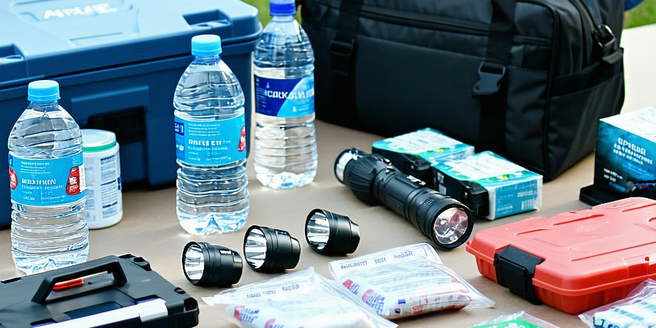
A well-prepared flood emergency kit should contain crucial items that guarantee safety and survival. Begin with a first-aid kit filled with bandages, antiseptic wipes, and necessary medications. Flashlights, batteries, and a whistle are indispensable for signaling and communication if power is lost. Include essential hygiene products such as soap, sanitizer, and wet wipes. A multi-purpose tool can aid in various emergencies, while duct tape and plastic sheeting are vital for creating makeshift shelters. It’s also important to have a radio for receiving updates about the flood situation. Don’t forget to pack phone chargers and power banks to maintain communication. Collect these life-saving items in a sturdy, waterproof bag to ensure they stay dry and functional, even in the face of flooding scenarios.
Packing Non-Perishable Food and Water
Packing sufficient non-perishable food and water in your flood kit is vital for survival. Opt for items with a long shelf life, such as canned goods, energy bars, and dried fruits, which are easy to carry and require minimal preparation. Ensure that you have at least a three-day supply of water per person, stored in sealed, portable containers. It’s advisable to also include water purification tablets or a portable filter to provide additional security. Check expiration dates regularly and replenish perishable items to maintain your kit’s effectiveness. Despite the urgency of evacuation during floods, having an adequate supply of nutrition and hydration can alleviate stress and keep energy levels up. This forethought can significantly impact your ability to remain resilient during an unpredictable flood emergency.
Including Essential Documents and Contacts
In the chaos of a flood, having your important documents and contact information easily accessible is indispensable. These items should be kept in waterproof sleeves or bags to prevent damage. Essential documents include identification papers, insurance policies, medical records, and property deeds. It’s crucial to have both physical copies and digital backups stored on a secured flash drive. Maintain an updated list of emergency contacts, including family members, local authorities, and emergency services, ensuring that everyone knows who to call for help. Keeping a portable phone charger in your kit ensures you can communicate despite power outages. By safeguarding these vital documents and contacts, you can facilitate more efficient recovery processes and establish communication channels that are crucial during flood emergencies.
Choosing the Right Clothing and Gear
Choosing appropriate clothing and gear can make a significant difference during a flood. Pack sturdy, waterproof footwear to navigate flooded areas and prevent injuries from debris. Durable, moisture-wicking clothing keeps you warm and dry, increasing comfort in adverse conditions. Include thermal blankets or sleeping bags, as they provide warmth if shelter is unreachable. Consider packing a waterproof jacket and hat to protect from rain. A solar-powered phone charger can also be useful for maintaining communication when power sources are unavailable. Whether it’s an inflatable floatation device or a life jacket, having gear that enhances safety is imperative when facing unexpected water levels. When clothing and gear are chosen with purpose, they not only aid in comfort but also contribute considerably to your survival and resilience.
Maintaining and Updating Your Flood Kit
Regular maintenance and updates to your flood kit are essential to ensuring its effectiveness during emergencies. Periodically check the condition of all items, replacing expired food and medicine. Test flashlights and synthetic devices to ensure they work when needed, and replenish batteries if necessary. Re-evaluate the kit’s content based on any changes in your family dynamics, such as new medical conditions or an increased number of family members. Seasonal changes may also require adjustments to clothing and gear included. An outdated or poorly maintained kit may not provide the safety and support anticipated during an emergency. Schedule routine assessments, updating your kit at least twice a year, so it remains a reliable resource in times of need. This vigilance guarantees readiness and peace of mind in flood-prone areas.