
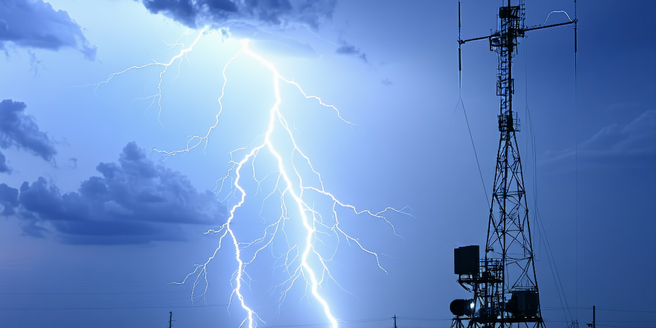
The Evolution of Lightning Detection Systems
Lightning detection systems have undergone significant transformation over the years. Early methods relied heavily on manual observation, which could be inaccurate and dangerous. Advancement began with the development of radio-based detection systems, utilizing the electromagnetic signals emitted during lightning strikes. These systems evolved into more precise network-based systems, driven by the need for accurate storm monitoring. Modern systems leverage satellite technology, which provides real-time data and enhanced coverage area. The integration of computing power has allowed for complex algorithms that can predict storm patters, making lightning detection more reliable and efficient than ever. As the demand for accurate weather forecasting increases, these systems continuously evolve, offering higher precision and broader reach, benefiting both public safety and scientific research.
How Lightning Detection Technology Works
Lightning detection systems operate by identifying the electromagnetic pulses generated by lightning strikes. When a strike occurs, it emits radio waves across different frequency bands. Detection stations, typically arranged in networks, capture these signals. By analyzing the time it takes for the signals to reach multiple stations, the system can triangulate the strike’s location. Advanced algorithms and timing technologies play a crucial role in this process, refining the accuracy drastically. Modern systems, especially those using satellite-based platforms, offer expansive coverage, providing not just the location but the characteristics and intensity of strikes. These insights facilitate improved weather forecasting, risk assessment, and preventative measures for industries and communities alike, ensuring they can swiftly respond to impending weather threats.
Key Components and Tools in Modern Systems
Modern lightning detection systems are comprised of a network of sensors and satellites that track and analyze lightning strikes. Key components include ground-based detection stations equipped with radio wave sensors and time-stamping GPS devices for accuracy. These sensors capture electromagnetic waves emitted by lightning, which are then transmitted to centralized processing units. Advanced computing power and sophisticated algorithms process this data, providing precise location and intensity information in real-time. Satellite technology enhances coverage and data reliability, feeding information back to ground stations for analysis. The integration of these tools ensures continuous monitoring, allowing industries reliant on weather data to make informed decisions. The evolution in tools and technologies has significantly increased detection accuracy, making it invaluable for meteorologists and disaster management agencies.
Applications and Benefits Across Industries
Lightning detection technology offers numerous applications across diverse industries. In aviation, real-time tracking ensures flight safety by aiding navigational decisions, while in agriculture, it informs protective measures against crop damage. For the energy sector, it aids in protecting infrastructure, mitigating outages, and ensuring service continuity during storms. Furthermore, in the outdoor event management and construction industries, lightning detection systems help prevent accidents by providing timely warnings. Such systems also bolster recreational safety in parks and sports facilities. The broad applications underscore the technology’s significant impact, offering peace of mind and operational safety. By minimizing risk through timely alerts, these systems not only protect people and assets but also enhance planning and decision-making processes across sectors.
Challenges and Limitations of Current Technology
Despite their advantages, lightning detection systems face several challenges. Coverage limitations can result in less accurate data in remote or mountainous regions. The high sensitivity of sensors, while generally a benefit, can sometimes lead to false detections due to interference from radio signals or electronic devices. Additionally, the maintenance and deployment of ground-based stations and satellites present logistical and financial challenges, particularly in developing regions. Weather conditions can also affect detection accuracy, particularly in adverse environments. Data integration from various sources remains a technical challenge that requires continuous improvement of algorithms and processing techniques. Understanding and mitigating these limitations are crucial for improving the reliability and accuracy of lightning detection, ensuring optimal performance across various regions and conditions.
Future Trends in Lightning Detection Innovation
The future of lightning detection technology is poised for exciting advancements. Enhanced data analytics, driven by artificial intelligence and machine learning, promise to improve detection accuracy and predictive capabilities significantly. The integration of IoT devices and distributed sensor networks can provide more granular data, enabling precise micro-regional forecasts. Innovations in satellite technology, including improving geostationary lightning mapping, will enhance global coverage, offering more comprehensive data. Collaboration with weather services worldwide aims to establish standardized protocols and shared data platforms, driving innovation and reliability. Moreover, advancements in mobile technology might enable end-users to actively engage with real-time updates, transforming storm interaction and reaction. These trends highlight a future where lightning detection systems are more advanced, user-friendly, and integrated into daily life for enhanced public safety.