
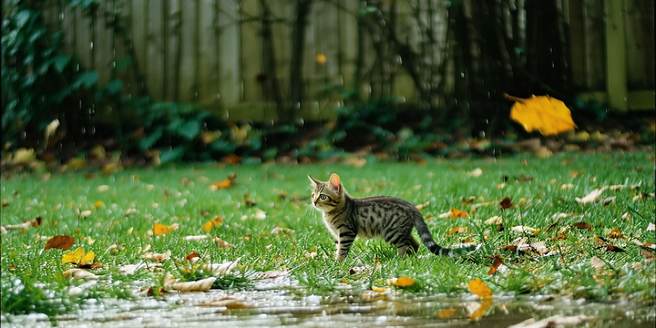
The Science Behind Pet Reactions to Weather Changes
Pets are highly sensitive to changes in the environment, and weather shifts can influence their behavior in surprising ways. Studies show that changes in atmospheric pressure can alter their behavior due to differences in how they perceive changes in humidity and static electricity. A drop in barometric pressure before a storm can cause some pets, especially dogs, to become restless or anxious. Certain breeds may exhibit increased alertness in response to thunder or lightning, behaviors that are believed to stem from their evolutionary instincts of safety and survival. By understanding the science behind these reactions, pet owners can develop strategies to help reduce anxiety, using comfort measures such as safe spaces or sound-proofed areas. Continual observation and responsive care can significantly ease pet distress during these atmospheric changes.
How Rain Affects Pet Mood and Activity Levels
Rainy weather often results in lower levels of outdoor activity for pets, which can lead to mood changes. Most pets prefer dry conditions and may resist going outside when it is raining. The reduced sunlight exposure also impacts serotonin levels, contributing to lethargy or reduced playfulness. It’s important for pet owners to ensure their pets still receive adequate mental and physical stimulation indoors. Activities such as indoor fetch, puzzle feeders, or interactive play sessions can be effective. Implementing a rainy day plan can help in keeping pets active and entertained. Additionally, monitoring behavioral changes during sustained rain can help in identifying boredom or anxiety, allowing owners to innovate in creating new forms of enrichment to maintain their pets’ well-being.
The Impact of Cold Weather on Pet Behavior
Cold weather can significantly influence pet behavior, especially among those with short coats or low body fat. Pets might seek warmth by curling up in blankets or near heat sources, while others might become more lethargic. For breeds not acclimated to cold, exposure can lead to discomfort or health risks such as hypothermia. Owners should provide warm bedding and consider indoor exercises to maintain activity levels. Proper clothing like pet sweaters could also be beneficial. Monitoring pets for signs of cold stress, such as shivering or unwillingness to go outside, is crucial. By adapting to their needs, owners can ensure that pets remain comfortable and healthy during colder months. Adjusting their routines to include more indoor engagement can greatly benefit their well-being.
Discerning Anxiety Symptoms in Pets During Storms
Understanding the signs of anxiety in pets during storms is key to providing effective support. Common symptoms include trembling, pacing, excessive drooling, or hiding. Some pets may show destructive behaviors or vocalize more than usual. These reactions are often a result of thunder, lightning, and atmospheric pressure changes that disrupt their habitual calm. Developing a storm plan is essential; setting up a safe, quiet space, using calming wraps, or playing masking noises like music could help. It’s important for owners to stay calm themselves, as pets can pick up on their human’s anxiety which might exacerbate their own. Long-term tactics may include desensitization or consulting a professional for behavioral therapy.
Adjusting Pet Care Routines for Seasonal Weather
As seasons change, pet care routines should adapt to accommodate varying weather conditions. In spring, pets might require more frequent grooming due to shedding, while autumn might mean preparing for colder weather with adequate bedding and clothing. Summer heat necessitates increased hydration and potentially avoiding peak temperatures during outdoor activities. Each season brings unique challenges that affect pets’ routine care, diet, and activity. Owners should consistently assess their pet’s environment and make necessary adjustments to ensure comfort and health. Seasonal vet check-ups can help identify any condition affected by weather changes and guide specific adjustments required in care.
Helping Pets Cope with Heatwaves and Hot Climates
With rising global temperatures, pets often require additional care during heatwaves. Ensuring constant access to fresh, cool water and shaded areas is essential to prevent dehydration and heatstroke. Adjusting walks to early morning or late evenings can help avoid the dangers of heat and heavy sun exposure. Installing cooling mats or fans in living areas might provide relief. It’s crucial to watch for signs of overheating, such as excessive panting, drooling, or sluggish behavior. In severe cases, seeking prompt veterinary care could be life-saving. Educating oneself on pet-safe cooling techniques can vastly improve pet comfort during hotter months, maintaining their health and happiness even in high temperatures.