
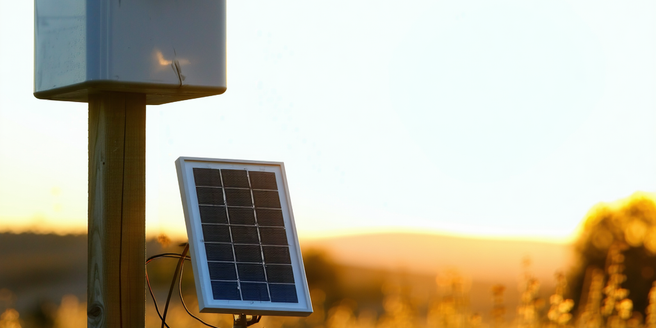
Understanding the Importance of Durability in DIY Weather Stations
Durability is crucial for DIY weather stations as they face a variety of environmental stresses. A robust design ensures that the station can operate continuously without frequent repairs, providing accurate data over extended periods. Harsh weather conditions, such as strong winds, rain, and extreme temperatures, can quickly affect performance if the station is not adequately built. Therefore, selecting durable materials and conducting thorough testing are vital steps in the construction process. Building a weather station that withstands these challenges not only secures reliable data collection but also minimizes maintenance costs in the long run. Understanding these aspects helps DIY enthusiasts create solutions that stand the test of time while fostering a deeper appreciation for homegrown weather monitoring systems. Durability is the bridge between innovation and functionality in DIY projects.
Materials and Components: What Makes a DIY Weather Station Durable?
The durability of a DIY weather station hinges significantly on the choice of materials and components. Selecting materials like stainless steel for structural elements and UV-resistant plastics for outdoor sensors can help to withstand severe weather conditions. Additionally, using waterproof enclosures for electronic components protects the internal circuitry from moisture damage, extending the life of the station. The choice of power supply is another critical consideration; batteries that perform well in both hot and cold temperatures ensure uninterrupted operation. Connectors and joints should also be scrutinized for durability to prevent wind-induced vibration damage. Silicone or rubber gaskets can provide additional sealing against rain. Ultimately, investing in high-quality materials, components, and finishes is essential to build a weather station capable of enduring the elements without frequent repairs.
Design Considerations for Long-Lasting Weather Stations
A thoughtfully designed weather station can significantly enhance its durability and performance over time. Reliable shielding from environmental factors is a priority; this can involve incorporating wind shields and radiation shields to protect sensors from direct exposure. Ensuring proper ventilation can also prevent overheating, which could otherwise shorten sensor lifespan. A modular design is advantageous, allowing for easy updates and component replacements without disrupting overall functionality. Careful placement to avoid areas prone to debris accumulation or insect interference can reduce maintenance needs. The station should be designed to facilitate easy calibration to maintain accuracy. Additionally, using a stable mounting system helps in resisting strong winds. Considering these elements during the design phase ensures the station is well-prepared to deliver long-term, reliable performance, regardless of the challenges posed by varying environmental conditions.
Environmental Factors That Affect Weather Station Durability
Environmental factors play a pivotal role in determining the lifespan and functionality of DIY weather stations. Extreme temperatures can lead to component failure if the materials used are not suited for such conditions. Intense sunlight can cause degradation of plastic components, making UV-resistant materials essential. Humidity and rain can infiltrate electronics without proper sealing. Wind poses another hazard, potentially bending structures or dislodging loose connections if the anchoring is insufficient. In areas prone to lightning, grounding stations can prevent electrical damage. Furthermore, dust and debris can obstruct sensors, requiring protective measures like screens or covers. Understanding these environmental challenges allows for strategic planning in the station’s design and placement. By anticipating and mitigating the effects of these factors, the overall durability of the weather station is significantly enhanced, ensuring reliable data collection.
Maintenance Tips to Enhance the Longevity of Your Weather Station
Regular maintenance is vital to maximize the lifespan of a DIY weather station. Routine inspections for visible wear and tear, such as cracks in plastic housings or corrosion on metal parts, help identify issues before they escalate. Cleaning sensors to remove dust and debris ensures accurate readings while checking waterproof seals prevents moisture ingress. Adjusting and calibrating the system periodically can also maintain data accuracy. Replacing batteries with fresh ones can prevent power loss, particularly in remote stations. Furthermore, it’s important to monitor the stability of mounts and brackets to withstand strong winds. Seasonal assessments to address accumulated damage can prevent the need for major overhauls. By establishing a regular maintenance schedule, you can ensure that the weather station remains functional and continues to provide valuable data without interruption.
Case Studies: Analyzing the Durability of Popular DIY Configurations
Examining case studies of existing DIY configurations provides valuable insights into improving durability. A common configuration is the use of 3D-printed components; while cost-effective and customizable, these may suffer from UV degradation unless treated with a protective coating. Another popular choice is repurposing commercially available sensors within custom enclosures, which offer enhanced protection but require precise fitting to prevent moisture penetration. Certain DIY setups have incorporated solar power to extend operational longevity, but these require careful placement for optimal sunlight exposure without overheating. Enthusiasts have also experimented with remote data logging, which allows for less frequent physical maintenance but necessitates reliable connectivity solutions. Analyzing these case studies helps identify both successful strategies and potential pitfalls, providing a comprehensive guide for future weather station builders to optimize the durability and efficiency of their projects.