
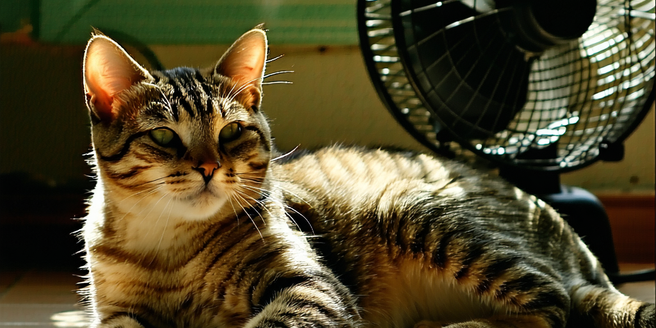
Identifying Heat Stress in Pets
Heat stress in pets can manifest through various signs that every pet owner should be aware of. Common indicators include excessive panting, drooling, lethargy, and uncoordinated movements. Dogs and cats may also show signs of rapid breathing, increased heart rate, and elevated body temperature. To accurately assess their condition, it’s essential to monitor their behavior, especially during hot weather. Dark or warm environments exacerbate these symptoms, increasing the risk of heatstroke. Regularly checking for these signs can help in taking immediate action to cool down your pet and seek veterinary attention if needed. Familiarizing yourself with these symptoms enables proactive measures to ensure the well-being of your beloved animal companions during scorching heat.
Preparing Your Home for Hot Weather
As temperatures soar, it’s crucial to transform your home into a sanctuary for pets during heatwaves. Begin by ensuring abundant ventilation throughout all rooms. Utilize fans and air-conditioning units where possible to regulate indoor temperature. Close curtains or blinds during the hottest parts of the day to restrict heat entry. Install cooling mats or wet towels in your pet’s favorite resting areas to provide relief from the heat. Consider creating shaded areas in your garden if your pets enjoy spending time outdoors. Regularly check water bowls to ensure they are full of clean, fresh water. These comprehensive preparations not only enhance your pet’s comfort but also significantly mitigate the risks associated with extreme heat.
Cooling Solutions for Pets Outdoors
During blistering heat, outdoor activities for pets call for additional precautions to keep them comfortable and safe. Set up shaded shelters using umbrellas or canopies to protect them from direct sunlight. Portable cooling fans can offer a breezy respite on particularly hot days. Providing a wading pool or water sprinkler engages pets while maintaining their core temperature. When taking them on walks, opt for early mornings or evenings when it’s cooler. Protect their paws by walking on grassy areas or using pet booties to avoid hot pavement. Ensuring ample hydration is pivotal; bring water along and offer frequent breaks. By implementing these solutions, you create a safe and enjoyable outdoor environment for your pets.
Hydration Tips for Hot Days
Keeping pets sufficiently hydrated is paramount during scorching weather. Always provide easy access to fresh, cool water both indoors and outdoors. Regularly clean water bowls to avoid contamination and replace stale water. For dogs, add ice cubes to their water to maintain a refreshing temperature. Consider wetting their kibble with water, or offering wet food alternatives to increase water intake in meals. Taking these steps can help prevent health issues related to heat. Pay attention to signs of dehydration, such as dry gums or lethargy. During outings, always carry a bottle of water and a foldable bowl to frequently hydrate your pet. Encouraging steady fluid consumption ensures their bodies can effectively regulate temperature, safeguarding them from dehydration and related heat complications.
Emergency Care for Overheated Pets
Despite taking precautions, pets can sometimes suffer from heat exhaustion or heatstroke. Recognizing these emergencies swiftly is vital. If your pet displays symptoms like vomiting, weakness, or excessive drooling, act promptly. Move them to a cooler area immediately and offer small amounts of water to avoid shock from rapid ingestion. Use cool, not icy, wet towels on their neck, armpits, and groin to gently decrease body temperature. Seek veterinary care at once, as professional assistance may be necessary for severe cases. Preemptive knowledge of local emergency veterinary services can save valuable time. Being prepared and calm while executing emergency care can drastically improve your pet’s chances of a full recovery in situations of overheating.