
Understanding Modern Weather Challenges
Modern weather challenges are multifaceted, influenced by rising global temperatures, changing precipitation patterns, and increased frequency of extreme events. Humans are facing a new era in climate dynamics where understanding these evolving patterns is crucial. Data from satellites, ground stations, and ocean buoys helps in constructing a comprehensive view of the atmosphere. Additionally, understanding how climate change exacerbates natural phenomena like hurricanes and droughts is vital for preparedness. Robust solutions must incorporate climate models that accurately predict shifts in weather patterns, enabling communities and industries to strategize effectively. Constant research and technological advancement enhance our capacity to interpret vast datasets, paving the way for innovative solutions. As weather impacts every facet of life, from agriculture to infrastructure, building resilience is essential for future adaptability in facing these contemporary challenges.
The Role of AI in Weather Prediction
Artificial Intelligence is revolutionizing weather prediction through its ability to process vast amounts of data quickly and accurately. Traditional weather models rely heavily on human interpretation, which can be time-consuming and prone to error. AI, however, utilizes advanced machine learning algorithms to analyze patterns in meteorological datasets, offering more precise short-term and long-term forecasts. This computational power enables models to update in real-time, leading to quicker and more reliable predictions. Furthermore, AI helps in identifying anomalies and predicting extreme weather events, allowing for timely warnings and preventive measures. Ongoing research is focused on enhancing these AI systems to improve prediction accuracy and to integrate them more fully into operational meteorology. As AI technology continues to evolve, its role in weather prediction will become increasingly vital, providing crucial insights that drive strategic decision-making.
Integrating IoT for Real-Time Weather Updates
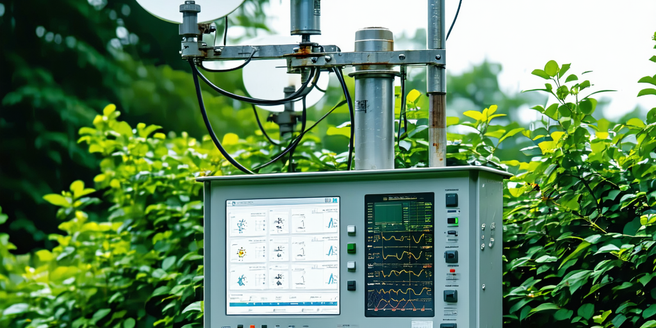
The Internet of Things (IoT) is playing a pivotal role in transforming weather monitoring by providing real-time updates. IoT devices such as smart sensors and connected weather stations collect and transmit data continuously, offering detailed insights into local weather conditions. These devices significantly enhance the granularity of weather data, capturing minute changes in parameters like temperature, humidity, and wind speed. Such precise information facilitates more accurate forecasts and timely detection of weather anomalies. Integration of IoT in urban and rural settings enhances the resilience of infrastructure by providing instant alerts that help in mitigating potential damages from severe weather events. Moreover, IoT-driven weather data analytics are instrumental in research and policy-making related to climate adaptation and mitigation. As more devices become interconnected, the future of weather predictions will rely heavily on the expansive reach of IoT technology.
Sustainable Design and Environmental Impact
Sustainable design in weather navigation systems is becoming increasingly significant due to its environmental impact. These systems are designed to minimize resource consumption and reduce ecological footprints while maintaining efficiency and reliability. Innovations like solar-powered sensors and eco-friendly materials are key examples of sustainable design in practice. By employing renewable energy sources and recyclable materials, the environmental impact of these systems is notably decreased. Additionally, adopting sustainable practices supports resilience against changing climate patterns. This alignment with environmental stewardship not only fosters sustainable development but also enhances system durability and long-term economic viability. The integration of sustainable design principles in weather technologies is essential to ensure that they provide critical services without compromising the planet’s health. Emphasizing sustainability today will aid in addressing future environmental challenges, fostering harmonious coexistence with nature.
Case Studies: Successful Implementations
Examining case studies of successful implementations provides invaluable insights into the efficacy of modern weather navigation systems. One noteworthy example is the integration of advanced radar and satellite communications in the aviation industry, which has significantly improved the safety and efficiency of flight operations in adverse weather conditions. Another example is the deployment of early warning systems for cyclones in coastal regions, which have drastically reduced loss of life and property by providing communities with timely evacuation alerts. Integration of AI and IoT in weather prediction has also proven effective in urban planning, aiding in the design of infrastructure that withstands extreme weather. Through these cases, it is evident that leveraging cutting-edge technology leads to substantial improvements in weather forecasting and disaster preparedness. They serve as benchmarks for future innovations, highlighting the importance of continuous investment in research and development.
Navigating Future Technological Advances
As technological advances forge ahead, navigating their potential in weather navigation systems becomes pivotal. Emerging technologies like quantum computing and edge computing hold promise for tackling the limitations of current models, offering unprecedented speed and efficiency in processing complex weather data. Quantum computing, with its ability to solve intricate calculations at speeds unachievable by conventional computers, could revolutionize predictive modeling, leading to highly accurate weather forecasts. Meanwhile, edge computing aids in processing data closer to the source, reducing latency, and ensuring swift decision-making during critical weather events. As these technologies mature, they will pave the way for innovations yet to be imagined, enhancing predictive capabilities and resilience. Understanding the integration and potential impact of these advances will be crucial in shaping the future landscape of weather systems, ensuring they remain adaptable and robust in the face of evolving climate challenges.