
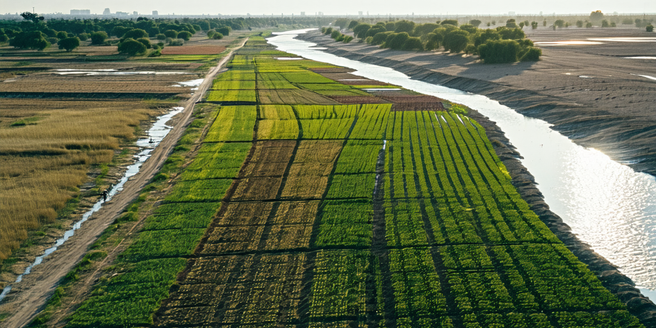
Understanding the Nile’s Role in Agriculture
The Nile River was the lifeblood of ancient Egyptian agriculture, providing not only water but also nutrient-rich silt essential for farming. Its annual inundation replenished the soil, making the land fertile and suitable for cultivating crops like wheat and barley. The abundance of resources it provided supported the growth of a powerful and enduring civilization. The river’s predictable flooding cycle allowed Egyptians to plan their agricultural activities efficiently, ensuring food security. This dependence on the Nile underpinned the civilization’s economy and sustained its population. By constructing irrigation channels and basins, Egyptians were able to extend arable land, harnessing the river’s full potential. Understanding this dynamic interaction between the Nile and agriculture offers insight into the adaptive strategies employed by ancient civilizations to manage natural resources sustainably.
Flood Patterns and Their Effects on Farming
The flood patterns of the Nile greatly influenced ancient Egyptian farming practices. Typically occurring between June and September, the inundation brought with it a predictable rhythm that farmers relied upon for their crop cycles. Unlike sporadic rain-fed agriculture seen in other regions, Egypt’s advantage lay in its ability to predict and prepare for the floods. This predictability allowed for the development of sophisticated irrigation technologies that maximized water distribution. However, when flood levels were either too low or excessively high, it posed significant challenges, from potential crop failure to infrastructure damage. Understanding these patterns was crucial for mitigating risks associated with uneven inundation. Such insights enabled farmers to make informed decisions about crop selection and timing, ultimately influencing the overall agricultural productivity of the civilization.
Ancient Techniques for Managing Floodwaters
To effectively manage the Nile’s unpredictable floodwaters, ancient Egyptians developed impressive techniques like the basin irrigation system. Each basin would trap floodwaters, allowing sediment-rich water to settle before being gradually released to moisten farmlands. This method not only conserved water during dry spells but also ensured the soil remained fertile. Building dykes and canals further improved water management, controlling the flow and reducing the impact of potentially destructive floods. These engineering feats required a deep understanding of hydraulics and soil management. Collaboration among farmers was also essential, as managing the network of basins and channels demanded careful planning and maintenance. These ancient techniques highlight Egyptians’ ingenuity in adapting to their environment, offering insights into early sustainable agriculture practices.
Crops Dependent on Flood Cycles
Many crops cultivated by ancient Egyptians were intricately linked to the annual Nile flood cycles. Wheat and barley, the core staples, thrived in the nutrient-dense silt left behind as floodwaters receded. Egyptian farmers strategically planted these cereals during the peret season, taking advantage of the moist, newly replenished soil. In addition, flax, papyrus, and various fruits and vegetables were also grown, benefiting from the consistent irrigation provided by the floodwaters. These crops were vital not just for sustenance but also for trade and economic stability. Flax, for instance, was used in making linen—a key commodity in Egyptian economics. Understanding this dependency is crucial as it underscores how agricultural practices were intricately woven into the region’s social and economic fabric.
Legacy of Flood Management in Modern Practices
The ancient Egyptians’ methods of flood management have left a lasting legacy influencing modern hydraulic engineering and agricultural practices. The concept of controlling water flow through constructed basins and channels can be seen in contemporary irrigation systems worldwide. Moreover, ancient techniques that focused on maximizing soil fertility through natural silt deposition have inspired current sustainable farming practices. The importance placed on community collaboration for water management is another enduring principle, echoing in modern water-sharing agreements. While technology has evolved, the core idea of working with natural processes to achieve agricultural efficiency remains relevant. This legacy highlights the adaptability and foresight of ancient societies in addressing environmental challenges, offering timeless lessons in sustainability and resource stewardship.