
Choosing the Right Gear for Cold Weather Camping
Selecting appropriate equipment for cold weather camping is crucial for comfort and safety. Begin with a four-season tent that can withstand strong winds and heavy snow. Your sleeping bag should be rated for sub-zero temperatures and coupled with a thermal sleeping pad. Insulating layers are vital; opt for materials like down or synthetic fills that retain heat even when wet. A robust stove is necessary for melting snow into water, so ensure it is reliable in frigid conditions. Items like shovels and ice axes may be essential for manipulating snow and crafting windbreaks. Pack extra batteries for a GPS device, as the cold can quickly drain power supplies. By meticulously choosing the right gear, you can enhance your cold-weather camping experience and stay prepared for unexpected challenges.
Essential Clothing for Extreme Winter Conditions
When camping in extreme winter conditions, the right clothing can make all the difference. Prioritize layering to efficiently regulate your body temperature. Start with a moisture-wicking base layer to keep sweat away from the skin. Add a thick insulating layer made from fleece or down that offers warmth without excessive bulk. Top it off with a waterproof, windproof outer shell to protect against harsh wind and wet snow. Accessories like thermal hats, gloves, and wool socks are critical for preserving body heat and preventing frostbite. Gaiters can prevent snow from entering your boots, keeping your feet dry and warm. Remember to pack multiple pairs of gloves and socks as they tend to get wet and lose efficiency quickly. By dressing appropriately, you maintain comfort and maximize safety throughout your snowy expeditions.
How to Set Up a Winter-Ready Campsite
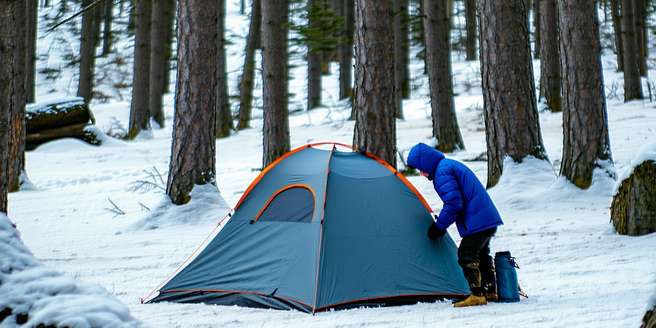
Setting up a winter-ready campsite involves careful planning and execution. First, choose a site sheltered from wind and potential avalanche areas. Clear away snow to ground level, if possible, creating a compact area for your tent. Construct snow walls around your tent as windbreaks to reduce wind chill. Ensure your tent is properly staked and all guy lines are secure to withstand strong gusts. Utilize a tarp beneath your tent for added insulation. Inside the tent, use sleeping pads to prevent heat loss to the ground. Consider building a communal kitchen area, using snow structures to block wind and conserve heat. Plan an emergency evacuation route should conditions rapidly deteriorate. Proper setup is key to a safe and comfortable winter camping experience, allowing you to focus on the beauty of the snowy wilderness.
Staying Safe: Snowstorm Navigation and Weather Alerts
Snowstorm navigation requires a solid understanding of the environment and reliable tools. Tube compasses and GPS devices are invaluable, but must be used in conjunction with up-to-date weather alerts to anticipate shifting conditions. A dedicated radio can help receive emergency broadcasts, ensuring you stay informed about sudden storms. Map a clear route in advance, identifying landmarks and emergency shelters along the way. Continuous monitoring of the weather is essential, as conditions can change rapidly. Develop the skills to read snow conditions and recognize signs of avalanche risk. Always inform someone of your planned route and estimated return time. Essential safety measures, combined with knowledge of weather patterns and terrain, will keep you safer as you navigate through potential snowstorms and ensure that you can continue to enjoy your outdoor adventures.
Efficient Cooking Techniques in Freezing Temperatures
Cooking in freezing temperatures demands efficiency and preparation. Invest in a reliable stove that performs well in cold and windy conditions, such as a liquid-fuel stove. Plan your meals to be high in calories and easy to prepare, reducing cooking time in the cold. Insulated pots and cozies can speed up cooking times and conserve heat. Consider pre-cooking some meals and bringing them frozen; they can be quickly reheated, minimizing exposure to the elements. Utilize snow for a quick rinse of utensils, but ensure proper drying to prevent gloves from getting wet. Constructing a snow kitchen with windbreaks can shield your cooking area from harsh winds. By refining your cooking techniques to suit the winter landscape, you save time, conserve fuel, and maintain morale with warm, nourishing meals.
Maintaining Hydration and Nutrition in the Cold
Maintaining hydration and nutrition in cold weather is essential to prevent fatigue and maintain energy levels. The dry winter air and high physical exertion can accelerate dehydration, so carry insulated bottles to keep water from freezing. Consuming warm liquids like tea or soup can aid hydration while providing additional warmth. Aim for calorie-dense foods that provide a mix of carbohydrates, proteins, and fats. Nuts, dried fruits, and energy bars are excellent for snacking on the go. Plan for hearty meals that require minimal preparation but offer sufficient nutrition. Remember that your body requires more calories to maintain core temperature in the cold, so increase your intake accordingly. By staying vigilant about your hydration and nutrition, you can ensure peak performance and enjoyment during your winter camping excursions.