
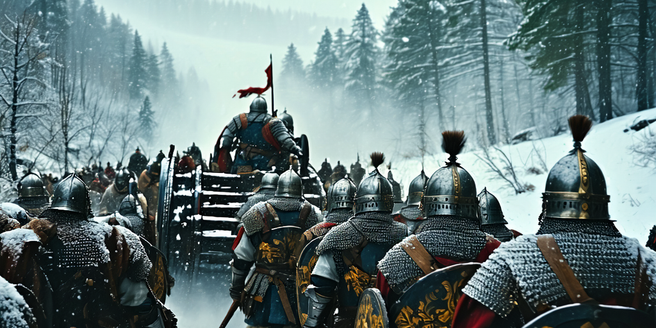
The Role of Climate in Byzantine Warfare
During the Byzantine Empire, climate significantly influenced military operations. The varying landscapes of the empire meant that armies had to adapt to different weather conditions across regions. Harsh winters could stall campaigns, while mild weather allowed for extended periods of warfare. The unpredictability of seasonal changes required meticulous planning to avoid potential pitfalls. Armies needed to ensure they had adequate supplies to withstand environmental challenges. The Byzantine forces learned to use weather to their advantage, choosing to engage during favorable conditions and avoiding conflict when nature posed additional risks. This strategic use of weather often determined the success or failure of military expeditions, indicating that climate was as crucial as military might in shaping the outcomes of conflicts during this period.
Meteorological Anomalies of the 15th Century
The 15th century was marked by notable meteorological anomalies, affecting agriculture and warfare alike. Unpredictable weather patterns, like extended heavy rains and unexpected frosts, disrupted food production and supply lines. These conditions often resulted in food shortages, exacerbating existing social tensions. Such shortages frequently led to unrest and conflict, as communities competed for limited resources. These anomalies also influenced military campaigns, as armies relied on consistent weather to maintain mobility and supply chains. Significant weather changes could lead to unforeseen setbacks, forcing armies to delay or alter plans. The impact of these anomalies was far-reaching, contributing to socio-political changes within regions affected by these climatic disruptions. Understanding these patterns sheds light on historical events and the broader implications of weather on societal stability.
How Weather Influenced Strategic Decisions
Weather played a pivotal role in strategic military decisions throughout history, particularly during sieges. Commanders needed to consider everything from seasonal patterns to daily forecasts when planning attacks or defenses. Adverse weather could delay troop movements or deplete resources, while favorable conditions could provide a tactical advantage. Weather conditions such as fog or rain would influence visibility and combat effectiveness. In some instances, weather patterns even shaped the political alliances formed during wartime. Strategic decisions often hinged on accurate weather predictions, with armies sometimes holding back attacks until conditions were ideal. The importance of integrating meteorological knowledge into military strategy cannot be overstated, as it often dictated the outcomes of critical battles.
The Siege of Constantinople: A Weather Report
During the Siege of Constantinople in 1453, weather conditions played a crucial role in the dynamics of the conflict. Unfavorable winds initially hampered the Ottoman fleet, delaying their naval operations. However, a shift in the weather allowed for a renewed assault, contributing to their eventual success. It is fascinating to consider how such elements, entirely beyond human control, could sway the outcomes of such pivotal battles. The defenders of Constantinople also faced challenging conditions, with rain creating difficult conditions on the city’s walls. These adversities tested the resilience and ingenuity of the city’s warriors. Both sides had to adjust their tactics and strategies based on the changing weather, highlighting the unpredictable nature of warfare during this period. The siege illustrates the vital role of meteorological factors in historical military engagements.
Lessons from History: Weather and Warfare
Historical military campaigns have demonstrated time and again the influence of weather on warfare. Commanders learned to adapt their strategies to account for environmental conditions, using weather to gain tactical advantages or avoid disastrous outcomes. The lessons from these historical events emphasize the necessity of understanding and predicting weather patterns in military planning. In many cases, a thorough grasp of meteorology made the difference between victory and defeat. They show that successful leaders were those who could anticipate and adapt to meteorological changes, ensuring their forces remained effective and their campaigns achievable. This historical perspective highlights the enduring relationship between weather and warfare, offering insights into how current military strategies might also be shaped by climatic conditions.