
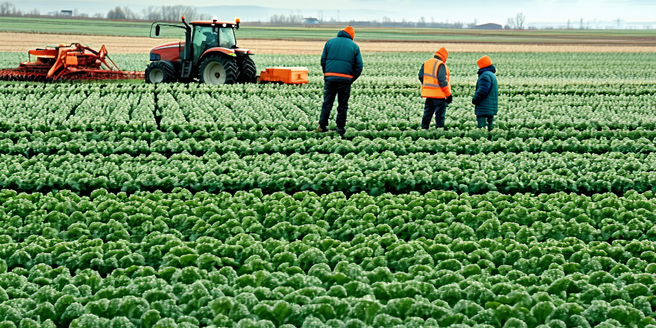
Understanding Cold Fronts and Their Impact on Agriculture
Cold fronts bring significant weather changes that can challenge agricultural activities. These fronts, characterized by a rapid temperature drop, often result in storms, wind changes, and precipitation. As a result, farmers have to stay vigilant and adapt quickly to changing weather conditions. Farmers must account for these shifts, as they affect crop growth, planting schedules, and overall yield. In anticipation of such events, farmers often attend workshops to learn about best practices in weather adaptation strategies. The sudden cold can halt or reverse crop development, necessitating strategic planning. In some cases, farmers may also need to implement frost-prevention techniques to protect their crops. Understanding the patterns of cold fronts enables farmers to mitigate potential damage by leveraging technology for weather predictions and adapting farming practices accordingly.
Frost Damage: Threats to Crop Yields
Frost poses a substantial threat to crop yields by causing physical damage to plants, mainly during unpredictable weather shifts. When temperatures plunge, the water in plant cells can freeze, resulting in cell rupture and ultimately, plant death. This damage can be devastating to both small and large-scale agricultural operations. Consequently, agricultural researchers are seeking more effective solutions to mitigate these losses. Innovative technologies are constantly being developed to improve frost prevention strategies. Farmers contend with this challenge by employing frost prevention methods like using wind machines, which mix warmer air with the cooler ground-level air, or through irrigation, keeping a thin layer of water on plants to prevent freezing. Understanding local frost patterns is crucial for safeguarding the harvest.
Soil Health and Moisture Retention Challenges
Cold weather exacerbates soil health issues by impacting moisture retention and nutrient availability. Frozen ground reduces the soil’s ability to absorb water, leading to potential run-off and nutrient loss. Moreover, cold weather often coincides with reduced biological activity, which slows down the decomposition of organic matter. These conditions can pose significant challenges for agricultural management. In some regions, these challenges are compounded by unpredictable weather patterns. Additionally, fluctuating temperatures can cause soil compaction, further hindering root growth. To counter this, farmers can adopt practices that enhance soil structure and organic matter content, such as cover cropping and minimal tillage, which improve moisture retention and microbial activity. Emphasizing these practices supports sustainable agriculture, helping to maintain productivity even in challenging weather conditions.
Strategies for Protecting Livestock in Cold Weather
Protecting livestock during cold weather involves implementing strategies to ensure their well-being. Adequate shelter is crucial to shield animals from the elements, while providing sufficient bedding can help retain body heat. Regularly checking and maintaining these shelters ensures they remain effective throughout the season. Nutrition plays a key role; offering energy-rich feeds helps maintain body temperature. It is wise to invest in quality feed storage to prevent spoilage. It is also beneficial to consult with a veterinarian to tailor a specific cold-weather plan for your livestock’s needs. Additionally, ensuring access to unfrozen water is essential for hydration. Monitoring livestock for signs of cold stress allows for timely interventions, ensuring productivity and health during colder periods.
Innovative Solutions for Cold-Climate Farming
In cold climates, innovation is crucial for successful farming. Farmers face challenges due to harsh weather and limited growing seasons, but technological advancements provide valuable solutions. Greenhouses extend growing seasons by creating controlled environments, enabling year-round cultivation and consistent food supply. High tunnels offer protection and optimize temperatures by trapping solar energy, allowing for earlier planting, longer harvests, and frost protection.
Integrating vertical farming techniques maximizes space and energy efficiency, allowing for the cultivation of multiple layers of crops in less area with advanced lighting and climate control. Genetic engineering is also producing cold-resistant crop varieties that endure lower temperatures and thrive, resulting in stable yields.
Embracing these technologies transforms challenges into opportunities, ensuring food security and a resilient agricultural economy. Cold regions can meet their food needs and contribute to the global food supply while paving the way for sustainable agriculture. Through strategic innovation and adaptation, agriculture in cold climates can become a beacon of sustainability in a changing world.