
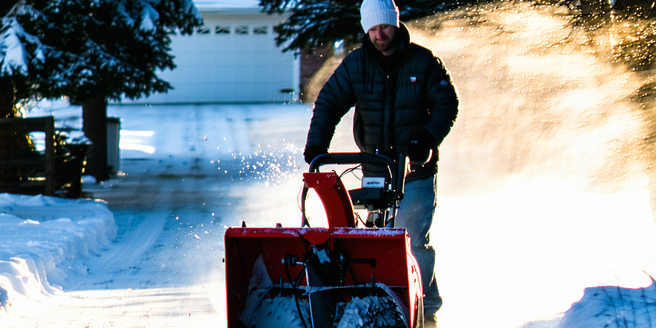
Understanding Different Types of Snow Removal Tools
Choosing the right snow removal tool is critical for efficiency and safety. Shovels come in various designs, such as traditional, ergonomic, and push shovels. Ergonomic shovels are designed to reduce strain on your back. Snow pushers are ideal for light snowfalls and large areas, as they allow you to move snow without much lifting. Snow blowers are available in single-stage, two-stage, and three-stage models, each suited for different snowfall depths and surface types. Electric snow shovels are a good option for small driveways and decks where maneuverability is needed. It’s essential to match the tool to the task; heavy snowfall might require a robust two-stage snow blower, whereas lighter tasks can be handled with a simple shovel. Investing in quality tools can make snow removal a much simpler task.
Safety Tips for Effective Snow Shoveling
Snow shoveling can be a physically demanding task, sometimes leading to injuries if not performed carefully. First, warm up your muscles before starting; cold, stiff muscles can strain more easily. Use an ergonomic shovel that allows you to push snow instead of lifting it to minimize back stress. Bend your knees and keep your back straight when you lift to protect your lower back. Avoid overexertion by pacing yourself; rest every 10 to 15 minutes. Stay hydrated, as shoveling can lead to dehydration in cold weather. Dress in layers, allowing you to adjust as you warm up. Be mindful of ice, which can lead to slips and falls. Pay attention to your body’s signals and stop if you feel fatigued, dizzy, or short of breath. Clearing smaller amounts of snow more frequently can also reduce strain.
When and How to Use Snow Blowers Efficiently
Using a snow blower can significantly reduce the time and effort required for snow removal but knowing how and when to use it is essential for efficiency. Aim to clear snow before it accumulates too much; this can prevent your snow blower from getting clogged. For light snow, a single-stage blower may suffice, while heavier snowfall might require a two-stage one. Survey your working area for obstacles like gravel to avoid damaging the machine. Begin clearing from the center outward, which helps manage snow placement, and maintain a steady pace that matches your blower’s capacity. Always turn off the blower and disengage the clutch before making adjustments. Consider the weather forecast; sunny days may lead to melting that can refreeze into hazardous ice patches, making an earlier clearing ideal. Proper maintenance of blades and augers is vital for dependable performance.
Eco-Friendly Ice Melt Options to Consider
Finding ice melt options that are both effective and eco-friendly is becoming increasingly important, as traditional salt can harm vegetation, soil, and water sources. Consider using calcium magnesium acetate, which is biodegradable and works effectively in temperatures down to -20°F. Potassium chloride is another environmentally safer option, although it’s best used when temperatures are above 15°F. Another effective eco-friendly ice melt is beet juice blends, which reduce the corrosive nature of salt and lower the freezing point of snow. Sand is a good choice for traction, though it doesn’t melt ice. Always apply these materials moderately, following the manufacturer’s guidelines to maximize efficiency and minimize environmental impact. Incorporate these alternatives as part of an overall strategy to keep driveways and walkways safe during winter months without the harsh effects of salt.
Techniques for Preventing Ice Dams on Roofs
Preventing ice dams from forming on your roof is crucial to avoid structural damage and leaks. Insulation is key; ensure your attic is well-insulated to keep warm air from escaping into the roof space. This can prevent the roof from warming and melting snow prematurely. Ventilation in the attic space also helps maintain a uniform roof temperature. Installing heating cables may also assist in keeping gutters and eaves free from ice. Regularly clear snow accumulation from the roof using a roof rake to prevent meltwater from refreezing at the eaves. Consider installing a water membrane underneath shingles during roof installation, providing an additional barrier against leaks. Making these adjustments can significantly reduce the risk of ice dams and maintain the longevity of your roof system, safeguarding your home from potential water damage during the winter months.
Hiring Professional Snow Removal Services
For homeowners facing extensive snowfall, hiring professional snow removal services can be a valuable investment. These services bring expertise and specialized equipment to the task, ensuring quick and thorough clearing. Begin by searching for reputable services in your area, focusing on those with positive reviews and proper insurance coverage. Discuss your specific needs, and establish a clear agreement on service frequency and areas to be cleared. Many services offer package deals that include season-long coverage, which can be more economical than per-visit charges. Make sure all terms and conditions, including fees for heavy snowfalls or ice storms, are clearly outlined in the contract. Relying on professionals allows you to avoid the physical strain of snow removal and ensures your property remains safe and accessible throughout the winter season, providing peace of mind during severe weather conditions.