
Understanding Hydroelectric Power Systems
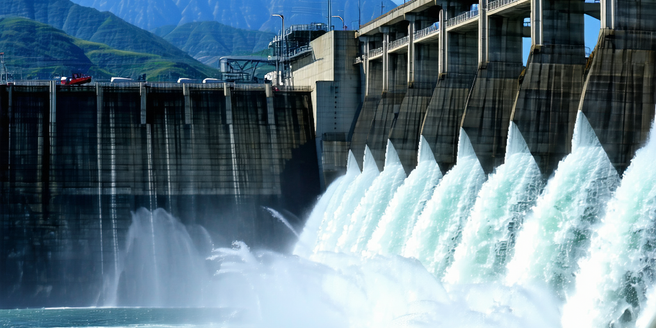
Hydroelectric power systems harness the kinetic energy of flowing or falling water to generate electricity. At the heart of these systems is the turbine, which spins with the force of water, driving a generator to convert kinetic energy into electrical energy. These systems rely on a continuous water supply to maintain efficiency, commonly drawn from rivers or reservoirs. The design of hydroelectric plants varies but typically includes a series of complex structures such as dams, penstocks, and turbines. Maintaining efficient water flow is crucial, and this is often managed through precise engineering and technology. The environmental benefits include renewable energy generation with low carbon emissions, but challenges such as habitat disruption and water rights require careful consideration in planning and operation.
The Role of Rainfall in Energy Production
Rainfall plays a significant role in hydroelectric energy production, as it directly influences water availability. In regions where rainfall is consistent, hydroelectric plants can maintain optimal power output. However, during dry spells or prolonged droughts, water levels in reservoirs drop, resulting in decreased energy production. The variability of rainfall impacts not just the output but also the planning and management of electrical grids dependent on hydroelectricity. Energy production is therefore closely linked to meteorological trends, and strategic water management is essential to buffer against fluctuations in rainfall. Effective forecasting and water conservation strategies are important to minimize the impact of seasonal changes and ensure a reliable supply of renewable energy, reinforcing the need for integrated water resource management.
Rainfall Variability and Its Effects on Efficiency
Rainfall variability presents a challenge to maintaining efficiency in hydroelectric power systems. During periods of high rainfall, excess water can lead to spillover, putting stress on dam structures and impacting water regulation efforts. Conversely, insufficient rainfall may hinder energy production, requiring reliance on alternative power sources. To adapt to these variations, hydroelectric plants often employ advanced technologies for efficient water management, such as real-time data analytics and predictive modeling. Monitoring rainfall patterns allows for the adjustment of operational strategies, ensuring that electricity generation remains stable despite changing water volumes. Understanding the effects of cyclical weather patterns helps mitigate potential disruptions and optimize the production of clean, sustainable energy.
Seasonal Patterns and Hydroelectric Output
Seasonal patterns significantly influence hydroelectric output, with water flow rates varying across different times of the year. Typically, snowmelt in the spring and monsoon rains in certain regions result in increased water availability, enhancing power generation. In winter, lower temperatures can reduce river flow, impacting energy production. Hydroelectric plants must adapt to these fluctuations by adjusting operations and managing reservoir levels strategically. This requires meticulous planning and the use of historical data to predict and prepare for seasonal changes. Energy storage solutions and grid management are also crucial in balancing supply and demand, ensuring that energy surpluses during wet seasons compensate for deficits in drier periods.
Challenges in Managing Inconsistent Rainfall
Managing inconsistent rainfall is a primary challenge for hydroelectric power systems, which depend heavily on predictable water supply for optimal functioning. Variability in rainfall can lead to significant changes in reservoir levels, affecting both energy production and water availability for other uses. During droughts, hydroelectric plants may face reduced capacity, necessitating the use of alternative energy sources. Additionally, too much rainfall can overwhelm systems, causing flood risks and operational issues. To tackle these challenges, power operators often employ a mix of forecasting tools and adaptive management practices. This includes investing in infrastructure improvements and diversifying energy portfolios to mitigate the risks associated with inconsistent rainfall patterns.
Strategies to Optimize Efficiency During Fluctuations
To optimize hydroelectric efficiency amid fluctuating rainfall, it is crucial to integrate adaptive management strategies. Efficient forecasting of weather patterns aids in anticipating water availability, allowing for more strategic reservoir releases and turbine operations. Implementing smart grid technologies enhances the ability to respond dynamically to generation fluctuations, providing real-time control over the energy production process. Additionally, infrastructure investments such as dam upgrades and advanced water routing systems help maximize water use during periods of scarcity. Coordination with other renewable energy sources ensures that when hydroelectric output is low, demand can still be met. By enhancing agility and resilience in operations, power systems can sustain efficiency even as rainfall patterns fluctuate.