
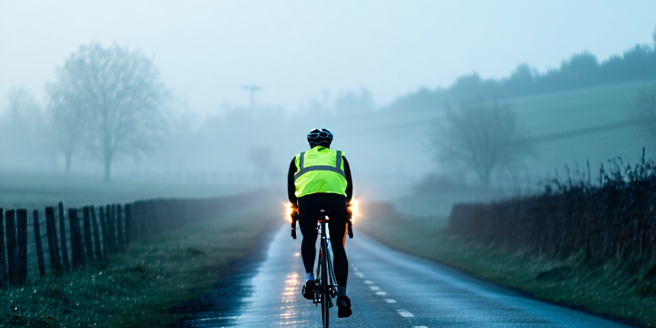
Understanding Fog Formation and Its Impact on Cycling
Fog forms when moist air cools to the point where water vapor condenses into tiny droplets suspended in the air. This often happens at night and in the early morning when temperature drops and humidity is high. For cyclists, foggy conditions can significantly reduce visibility, making it difficult to see the road, obstacles, and traffic. It’s crucial that cyclists equip themselves with appropriate lighting to increase their visibility to others. The impact on cycling is profound, requiring cyclists to adjust their riding strategies, such as reducing speed and increasing awareness. Understanding these conditions helps cyclists prepare, ensuring they can still enjoy their rides safely. Ultimately, knowing the science behind fog formation can aid in anticipating these weather conditions and planning appropriately for a safe cycling experience.
Essential Gear for Safe Biking in Foggy Conditions
When biking in foggy conditions, having the right gear is crucial for safety. Visibility is paramount, so equipping your bike with lights—both front and rear—can make you more visible to drivers and other cyclists. Reflective clothing and accessories further enhance visibility by reflecting light from vehicles, ensuring that you stand out despite the low visibility. It’s also wise to plan your route ahead of time, choosing paths that are familiar and well-lit. Additionally, investing in quality fog-resistant eyewear can help protect your eyes while maintaining clear vision. Consider carrying a multi-use tool kit and a fully charged phone for emergencies. Understanding the importance of the right gear can significantly reduce risks and enhance the enjoyment of cycling in fog.
Visibility Challenges: Tips for Riding in Low Visibility
Cycling in fog poses unique visibility challenges, requiring extra caution and strategy. Firstly, when visibility is compromised, reduce your cycling speed to allow more reaction time for obstacles. Ensure your brakes are in good condition, as stopping quickly may be necessary. Utilize bike paths where possible, as these are often safer and less trafficked. It is also advisable to equip your bike with strong front and rear lights. Make eye contact with drivers at intersections to ensure they see you. Signal early and clearly when turning or stopping to alert others of your intentions. Wearing bright, reflective clothing can drastically improve your visibility. By prioritizing these strategies, cyclists can navigate low-visibility conditions more safely, mitigating possible hazards associated with fog.
Route Planning and Navigation Strategies in the Fog
Effective route planning is key when biking in fog. Start by checking weather forecasts to anticipate fog patterns, allowing you to choose the best time to ride. Opt for routes that are familiar and avoid heavily trafficked roads to minimize risk. It is also important to wear bright, reflective clothing to enhance visibility for both you and others on the road. Use reliable GPS devices to ensure you stay on course, even if visibility drops. Planning alternate routes can offer flexibility if conditions worsen unexpectedly. Knowing the topography and layout of your chosen route can help expect and navigate through potential hurdles. Thorough planning can transform an uncertain ride into an adventurous and satisfying cycling experience.
Safety Precautions and Emergency Preparedness
Safety is paramount when riding in fog. Begin with a thorough pre-ride check, ensuring brakes, lights, and tires are in optimal condition. Always wear reflective clothing to enhance your visibility to others on the road. In addition, adjust your speed to accommodate poor visibility conditions. Share your planned route with a friend or family member. In the event of an emergency, having a charged phone with a tracking app can be invaluable. Equip yourself with a small first aid kit and learn basic first aid skills. Familiarize yourself with the area to identify safe stopping points along your route. By taking these safety precautions seriously, cyclists can prepare for unexpected challenges, ensuring their journeys are as safe as they are enjoyable.