
Understanding the Basics of Radar Technology
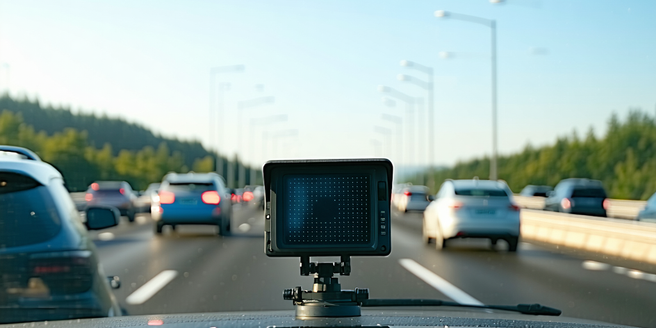
Radar technology, originally developed for military and aviation applications, leverages the ability to transmit radio waves and receive the echoes bouncing off objects to determine their distance, speed, and size. This technology operates on the principle of sending out a pulse and measuring the time it takes for the echo to return, which allows for precise location tracking and monitoring. In recent years, radar has found a wide array of uses beyond its original domain, extending into realms like automotive safety, weather forecasting, and now, fitness and exercise environments. By understanding these fundamentals, we can appreciate how radar systems have adapted over time to become integral components in diverse scenarios, including their latest application in organizing and optimizing outdoor workout sessions.
Benefits of Using Radar for Outdoor Fitness
Incorporating radar technology into outdoor fitness routines offers numerous benefits. Radar systems enable real-time tracking and monitoring of participants during exercises, allowing trainers to assess performance metrics such as speed, distance, and effort levels. This cutting-edge approach is revolutionizing how fitness assessments are conducted in outdoor environments. This facilitates personalized feedback and adjustments to workout regimens, ensuring workouts are both safe and effective. Radar also provides a non-intrusive method of supervision, especially useful in large group settings where direct monitoring may be challenging. By eliminating the need for wearable devices, radar technology maintains the natural flow of outdoor activities. Furthermore, this technology enhances safety, alerting trainers to any irregularities or sudden changes in participants’ movements, which could indicate potential injuries or overexertion.
Implementing Radar Systems in Group Training
The deployment of radar systems in group training sessions can revolutionize the way exercises are conducted. By installing radar devices around an outdoor workout space, trainers can monitor multiple participants simultaneously, assessing their form, speed, and overall performance without direct intervention. This approach not only enhances individual performance through personalized feedback but also fosters a cohesive group dynamic, as everyone can track collective progress. Radar systems can automate data collection, providing immediate insights into each participant’s status and making it easier to tailor exercises to individual needs. Additionally, radar helps in organizing effective circuit training, adjusting stations based on participant movement and activity levels, ensuring everyone benefits from a balanced and engaging workout.
Overcoming Challenges with Radar in Workouts
While radar systems offer significant advantages, they also present unique challenges that need addressing for seamless integration into workout settings. One major challenge is environmental interference; weather conditions, such as rain or heavy fog, can affect radar accuracy. Solutions include using advanced radar systems with weather-resistant capabilities. Privacy concerns are another issue, as individuals may feel uncomfortable with being monitored during exercise. Clear communication about the technology’s purpose and data usage can help alleviate such concerns. Moreover, the initial cost of installing radar systems might be high for some fitness centers. However, the long-term benefits of enhanced training efficiency and safety could outweigh these initial investments, making radar technology a worthwhile addition to modern fitness practices.
Future Trends in Radar-Assisted Exercise
The future of radar-assisted exercise promises innovative developments that could further enhance outdoor fitness experiences. Emerging trends include integrating artificial intelligence with radar systems to provide even more precise and personalized coaching. This combination could analyze complex data patterns to predict performance trends and offer tailored workout suggestions. Additionally, portable radar units are being developed, allowing individuals to take this technology into diverse environments, from parks to hiking trails. As virtual fitness continues to grow, radar can also enable more immersive online classes, where remote participants receive real-time feedback as effectively as they would in person. As technology advances, radar-assisted exercise is poised to become a staple in modern fitness methodologies, promoting a versatile and data-driven approach to health and wellness.