
The Science Behind Lightning Formation
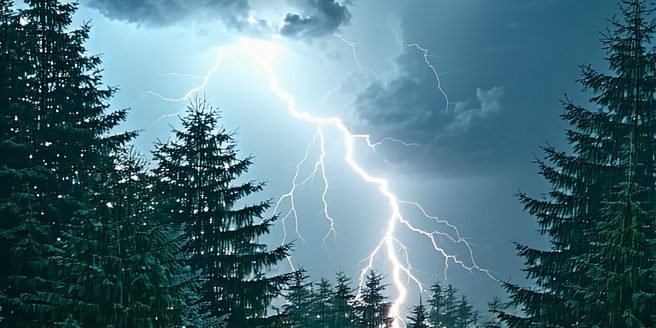
Lightning begins when the strong updrafts in a thunderstorm cause ice crystals and supercooled water droplets to collide. This collision results in the buildup of electrical charges, where the lighter ice crystals become positively charged and the heavier particles negatively charged. This charge separation creates a massive electric field within the storm cloud. As the potential difference builds, the electric field becomes strong enough to overcome the insulating properties of the air, resulting in a discharge known as lightning. This often occurs within the cloud itself, between different clouds, or from the cloud to the ground. The breakdown process that induces the formation of a stepped leader, causes the visible flash of lightning we see. Scientists study this complex interaction to better understand and predict lightning occurrences.
Different Types of Lightning Bolts
Lightning bolts can be classified into different types based on their origin and characteristics. The most common is cloud-to-ground lightning, where the discharge occurs between the cloud base and the Earth’s surface. There are also cloud-to-cloud lightning and intra-cloud lightning, which occur between different parts of a cloud or within the same cloud, respectively. Less common types include ball lightning, a mysterious spherical form, or heat lightning, which occurs in the distance and is seen but not heard. Each type of lightning bolt has unique characteristics that scientists strive to comprehend. Understanding these types not only aids meteorologists in forecasting but also plays a crucial role during electrical storm safety and developing protective measures for infrastructure and human activities.
Weather Conditions Influencing Lightning
Lightning is influenced by a variety of weather conditions that align to create the perfect environment for electrical discharges. Severe thunderstorms are the most common producers of lightning, where updrafts, moisture, and instability contribute to its formation. Humidity levels also play a role: higher moisture content within the atmosphere often serves as a catalyst for more intense lightning activity. The interaction of cold and warm air masses can generate the turbulence needed for the formation of lightning. Atmospheric pressure differences can lead to the rapid cooling and heating cycles necessary to cause electrical charge separation. By understanding these conditions, meteorologists can make better predictions about lightning occurrences, allowing for improved warning systems and preparation measures to protect property and save lives during intense weather events.
Lightning Safety Measures and Precautions
Safety measures and precautions are vital to ensure personal safety during thunderstorms, notorious for their unpredictable nature. When lightning is present, the safest option is to stay indoors and avoid using electronic devices plugged into power outlets. If caught outdoors, it is crucial to avoid open fields, tall structures, and isolated trees, as they can act as conductors. Crouching low to the ground, preferably on the balls of your feet, minimizes contact points and reduces the risk of a direct strike. Staying away from water bodies and metal objects also decreases the likelihood of a lightning strike. Awareness of weather forecasts and immediate sheltering once you hear thunder is crucial, as lightning can travel significant distances from its origin. Emphasizing these precautions is vital for ensuring safety and preventing fatal injuries caused by lightning strikes.
The Impact of Lightning on the Environment
Lightning naturally impacts the environment, shaping ecologies in several profound ways. It is a significant contributor to the nitrogen cycle, transforming nitrogen molecules in the atmosphere into nitrogen oxides, which are then deposited by rain and aid in the fertilization of soil. Forest fires sparked by lightning can release nutrients back into the soil, fostering new growth, despite their destructive nature. However, frequent lightning can cause habitat changes, affecting extinct and endangered species living in impacted areas. Global warming theories suggest that as the planet’s climate changes, lightning patterns may alter, potentially affecting global ecosystems. While lightning plays a vital role in maintaining certain ecological balances, its changes present challenges to conservationists aiming to preserve delicate environmental equilibriums.
Debunking Common Myths About Lightning
There are several myths about lightning that need clarification to ensure public safety and correct understanding. A common misconception is that trees are the safest place during a storm, but in reality, they attract lightning strikes and may transfer the current to anyone seeking shelter beneath. Another myth is that lightning never strikes the same place twice, yet the Empire State Building disproves this belief by being struck numerous times annually. Some think rubber shoes or car tires provide protection, but it is the metal frame of a vehicle that offers a safety cage effect. Lightning’s deadliness is often overestimated, while being unaware of its true risks. By debunking these myths, we foster a better understanding of lightning’s behavior, leading to more informed decisions about safety during thunderstorms.