
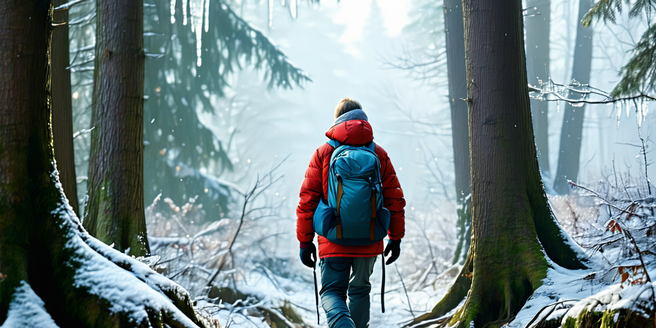
Understanding Winter Trail Hazards
Winter trails pose a variety of hazards that hikers need to be aware of while exploring. Snow and ice can conceal dangers such as loose rocks or hidden tree roots, increasing the risk of slips and falls. Temperature variations can cause trails to ice over unexpectedly, creating treacherous conditions. In addition, reduced daylight hours mean hikers should be mindful of their timing to avoid being caught in the dark. Understanding the unique challenges that winter trails present is crucial for a safe and enjoyable hiking experience. By preparing adequately and staying informed, hikers can minimize risks and stay safe in cold, snowy conditions.
Essential Gear for Winter Hiking
Winter hiking requires specialized gear to ensure safety and comfort. Layering is key; use moisture-wicking base layers, insulating middle layers, and waterproof outer layers to stay warm and dry. Sturdy, waterproof boots with good traction are essential for navigating snowy and icy trails. Trekking poles can offer additional stability on slippery surfaces. Don’t forget hats, gloves, and neck gaiters to protect extremities from the cold. Always carry a map, compass, and other navigational tools since trail markers might be obscured by snow. Bringing a small emergency kit with a first-aid kit, headlamp, and extra food and water is crucial for unexpected situations.
How to Prepare Trails for Snow and Ice
Preparing trails for winter conditions is essential to maintain safety and accessibility. Before the onset of snow, clear debris such as fallen branches to prevent obstructions. Installing signage about winter trail conditions and potential hazards can inform and guide hikers. Apply sand or gravel to areas prone to icing to improve traction. Regularly check such spots to ensure material hasn’t been displaced. Trim overhanging branches that may drip water, leading to icy patches. Investing in tools like snow blowers can also help in managing heavy snowfalls on popular paths. By taking these steps, trail stewards can help hikers enjoy safe winter adventures.
Wildlife Awareness During Winter Hikes
Winter is a vulnerable time for wildlife, and hikers should be aware of their potential impacts on local animals. Animals’ natural food sources can be scarce, and human presence might disturb them during crucial foraging or resting times. It’s important to maintain a respectful distance and avoid straying off designated trails to minimize disturbance. Though wildlife encounters may be less frequent in winter, staying vigilant and respecting their habitats supports conservation efforts. Leave no trace by packing out all your waste and sticking to quieter trails can help in protecting wildlife during this challenging season.
Managing Trail Maintenance in Cold Conditions
Maintaining trails during winter poses challenges that require regular attention and specialized strategies. Snow and ice accumulation can obscure paths, making frequent clearing essential. Utilize equipment suited for cold weather conditions, such as snow blowers or plows, for more efficient snow removal. Conduct regular inspections to address any ice build-up or damage caused by winter weather, repairing as necessary to keep paths safe for trekkers. It’s also important to monitor and repair any signs or markers that may become obscured or damaged due to snow or wind. Effective winter trail management ensures recreational spaces remain accessible and safe throughout the season.
Safety Tips for Hiking in Winter Weather
Hiking in winter weather demands extra precautions to ensure safety. Begin by checking weather forecasts and trail conditions before heading out; unexpected storms can turn dangerous fast. Always inform someone of your planned route and expected return time. Dress in layers to manage body temperature and prevent hypothermia; moisture-wicking fabrics will help keep you comfortable. It’s also beneficial to pack a small emergency kit including a whistle and flashlight. Consider traction devices or stabilizers for navigating icy paths. Bring plenty of water, as dehydration can also occur in cold weather. Staying vigilant about these safety measures allows for a secure and enjoyable winter hiking experience.