
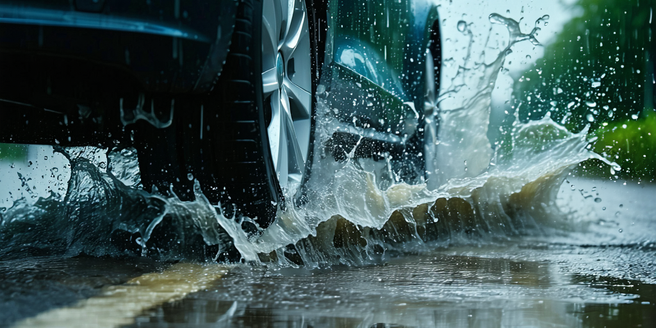
Understanding Vehicle Traction Dynamics in Rainy Conditions
Rain significantly alters vehicle traction dynamics. When rainwater creates a slick layer on the road surface, it reduces the friction between the tires and the road, leading to decreased traction. Wet road conditions demand a heightened level of awareness from drivers. This loss of traction is a common contributing factor to traffic accidents during inclement weather conditions. This phenomenon can cause vehicles to skid or hydroplane, especially at higher speeds or during sudden maneuvers. It’s crucial for drivers to understand how rain affects their vehicle’s traction to adapt their driving techniques accordingly. By maintaining lower speeds and increasing following distances, drivers can help ensure better control and stability, significantly reducing their risk of accidents during rainy conditions.
How Rainwater Impacts Tire Grip and Road Contact
Rainwater affects tire grip by forming a thin layer between the tire and road, which reduces the contact surface. This phenomenon, known as hydroplaning, occurs when tires move rapidly over water rather than the road, greatly diminishing traction. Effective tire grip is essential for safe driving as it provides the necessary friction for accelerating, turning, and braking. Weather conditions play a significant role in how drivers should approach road safety. Drivers must remain vigilant and adjust their habits accordingly during and after rain. To mitigate this, it’s important to ensure tires are properly inflated, have adequate tread depth, and to reduce driving speeds on wet roads. Understanding how rainwater impacts tire-road interaction is key to maintaining control and safety during rainy conditions.
The Role of Tire Tread in Wet Weather Performance
Tire tread plays a vital role in wet weather performance by channeling water away from the tire surface, aiding in maintaining contact with the road. Deep and well-maintained tread allows for efficient water evacuation, reducing the risk of hydroplaning. Tread patterns designed specifically for wet conditions offer better grip by dispersing water more effectively. It is crucial for drivers to be aware of the different types of tread patterns available for various weather conditions. Drivers should regularly inspect their tires for tread wear and replace them when necessary to ensure optimal performance. Adequate tread depth is not just a safety measure; it enhances overall traction, ensuring better handling and braking performance in rainy conditions.
Safety Precautions for Driving in the Rain
Driving in the rain requires heightened caution and adherence to safety precautions. Visibility can be significantly reduced, and road surfaces become slippery, increasing the likelihood of accidents. It’s important to drive at a safe speed that matches the road conditions. It’s crucial to ensure headlights are on, windshield wipers are functioning efficiently, and tires are in good condition. Regular tire checks can prevent unexpected skids. Maintaining a safe distance from other vehicles is vital as stopping distances are longer on wet roads. Avoid sudden maneuvers such as sharp turns or quick accelerations that could lead to loss of control. By adopting these safety measures, drivers can better handle wet roads and reduce risks.
Emerging Technologies to Enhance Traction in Wet Conditions
Emerging technologies are revolutionizing vehicle traction in wet conditions, offering enhanced safety features. Advances such as anti-lock braking systems (ABS) and electronic stability control (ESC) provide better grip and control by preventing wheel lock-up and skidding. Additionally, tire manufacturers are developing innovative tread designs and compounds that offer superior wet weather performance. In the near future, we may even see sensors that predict road slipperiness ahead. Electric vehicles are also benefiting from these advancements, integrating them into their systems to optimize performance and safety. Some vehicles now come equipped with automated systems that adjust driving dynamics based on real-time road conditions. These technological innovations aim to improve traction, reduce accidents, and ensure safer driving experiences during inclement weather.