
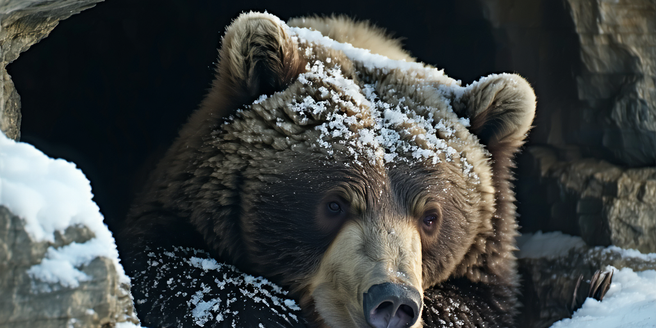
Understanding Winter Wildlife Behavior
Winter wildlife behavior is vastly different from other seasons as animals adapt to the harsh conditions. Some species hibernate, remaining in dens, conserving energy, and subsisting off body fat. Others, like certain birds, migrate to warmer regions to ensure survival. Animals such as deer and elk grow thicker coats and become more social, forming groups to increase their chances of finding food and warding off predators. Food scarcity means wildlife changes foraging behavior; they might travel farther or alter their diet to survive the cold months. Understanding these behaviors is crucial for anyone venturing into winter habitats, as it highlights the importance of respecting their space and seasonal adaptations. Observers should educate themselves about local species and their needs to minimize disturbance and promote coexistence.
Identifying Common Winter Habitats
Winter transforms landscapes into survival zones where wildlife seeks specific habitats that provide shelter and food. Deciduous forests, rich in fallen leaves and tree bark, often serve as hibernation sites for small mammals. Coniferous forests offer year-round shelter and continue to produce nuts and cones, which attract species like squirrels and birds. Wetlands freeze over, yet they remain vital for a range of species, offering hidden resources beneath snow layers. In mountainous areas, animals seek lower altitudes to escape colder temperatures and deeper snow. By understanding these environments, we can predict where wildlife is likely to reside and ensure that our presence does not disrupt these crucial habitats. Identifying these habitats enhances nature excursions and fosters appreciation for the winter strategies of wildlife.
Essential Gear for Winter Wildlife Observation
When engaging in winter wildlife observation, proper gear ensures both safety and comfort, while minimizing impact on the environment. Insulated, waterproof clothing, and sturdy, insulated waterproof boots keep you warm and dry, allowing for prolonged observation sessions. Binoculars are essential for viewing from a distance and avoiding disturbance. A camera with a zoom lens helps capture distant subjects without intrusion. Equip yourself with a map, compass, or GPS to navigate safely. Pack a thermos of hot liquid and energy-packed snacks to maintain energy levels. Silence is key to avoiding drawing attention, so soft-soled shoes or snowshoes are advisable. Lastly, ensure that any waste is packed out, leaving habitats pristine. Prioritizing the right equipment enhances your experience and respects the natural setting.
Best Practices for Minimal Disturbance
Adopting best practices for minimal disturbance is vital for preserving winter habitats and promoting wildlife welfare. Observers should maintain a respectful distance, using binoculars and telephoto lenses to avoid encroaching on animal space. Movement should be kept quiet and restrained to prevent startling wildlife. Supporting wildlife requires treading lightly, staying on marked trails, and avoiding sensitive areas. If encountering wildlife, remain calm and still, refraining from feeding or attempting interaction. Disturbing habitats can force animals to expend energy, crucial for winter survival, so minimize your footprint by being mindful of where you walk or park vehicles. Educating oneself about the species and environment ahead of visits can also enhance understanding and preparedness. Such practices ensure that wildlife has the best chance of enduring the harsh winter conditions.
Tips for Ethical Wildlife Photography
Ethical wildlife photography in winter demands a respectful approach that prioritizes the well-being of animals. Capturing images without causing stress requires understanding behavior and maintaining a distance that allows natural activities. Use of quality zoom lenses is advisable to photograph without intrusion. Refrain from using flash photography, as sudden light can startle or momentarily blind animals. Aim to leave no trace by sticking to marked paths and respecting seasonal no-go zones critical for wildlife. Be patient and quiet to avoid influencing animal movements. If a subject seems agitated, it’s crucial to withdraw and let the animal regain its comfort. The goal should always be to depict wildlife authentically, contributing to awareness and appreciation while preserving their natural environment.
Supporting Wildlife Through Conservation Efforts
Supporting wildlife through conservation efforts is integral to ensuring the longevity of species and their habitats. In winter, the importance of these actions is amplified as animals endure harsh conditions. Contributing to local conservation projects or wildlife reserves provides resources for maintaining habitats and fostering biodiversity. Participating in citizen science projects aids in gathering data that informs future conservation strategies. Advocacy for policies protecting critical winter habitats and funding for wildlife conservation initiatives strengthens long-term preservation efforts. Volunteering with organizations focused on habitat restoration or wildlife rescue can have a direct positive impact. Educating others about the importance of conservation encourages community involvement and support. Every action contributes to a network of protection that respects and preserves wildlife through even the coldest months.