
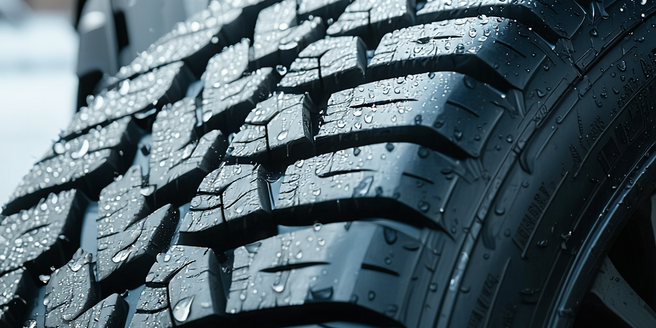
Understanding Wet Weather Tire Performance
Wet weather tire performance hinges on various factors such as tread design, rubber compounds, and siping. Tread patterns are crucial for channeling water away from the tire, reducing the risk of hydroplaning. Effective water displacement ensures the tires maintain contact with the road surface. The rubber compound needs to remain flexible at lower temperatures, providing necessary grip. Siping, which refers to the small grooves within the tread, plays a pivotal role in enhancing traction on wet surfaces. Together, these features enhance the tire’s ability to perform effectively in rainy conditions, giving drivers confidence and control. Investing in tires specifically designed for wet weather can significantly improve braking efficiency and handling, keeping drivers safe in adverse conditions.
Key Features to Look for in Rain Tires
When selecting rain tires, several key features can optimize wet-weather performance. Look for tires with wide circumferential grooves that facilitate efficient water evacuation, minimizing hydroplaning risks. A silica-based rubber compound is ideal, as it maintains flexibility and grip in wet, chilly conditions. Tires with a softer compound perform better on wet roads. Additionally, high-density sipes improve traction, handling, and braking on slick surfaces by increasing edges that bite into the road. Check for tires rated for excellent wet traction and braking performance. Durable construction and a robust sidewall are also important to resist aquaplaning forces and enhance stability. Choosing the right rain tire involves considering these features to ensure safety and performance even in the trickiest weather.
Top Picks for All-Season Wet Weather Tires
For those seeking versatility and performance in various conditions, all-season tires with solid wet weather capabilities are an excellent choice. Among the top picks are the Michelin Pilot Sport A/S 3+, renowned for its superior wet handling and braking. The Continental ExtremeContact DWS06 is another standout, offering exceptional water evacuation and grip. Goodyear Assurance WeatherReady tires provide reliable traction and a smooth ride regardless of the weather. Bridgestone Turanza QuietTrack is also a worthy mention, known for its stability on wet surfaces. These all-season tire options ensure a balance between dry, wet, and light snowy conditions, making them perfect for drivers wanting optimal performance without the hassle of changing tires every season.
Specialized Tires for Extreme Wet Conditions
Certain tires are crafted specifically for extreme wet conditions, offering unmatched grip and safety. These specialized tires often feature aggressive tread patterns and advanced rubber compounds to handle heavy rain and standing water. The Uniroyal RainSport 5, for example, is designed with deep grooves and high silica content, enhancing water dispersion and grip. The Pirelli Cinturato P7 Blue is another option, providing excellent aquaplaning resistance and control. These tires focus on minimizing slip and ensuring maximum contact with wet roads. By reducing braking distance and improving stability, specialized wet weather tires deliver superior safety and performance under the most challenging conditions. Choosing these tires can make a significant difference in navigating heavy rain safely.
Comparing Tire Brands for Rainy Climates
In regions where rain is frequent, choosing the right tire brand can make a substantial difference. Michelin and Continental consistently rank high for outstanding wet weather performance, attributed to rigorous testing and advanced tire technology. Goodyear is recognized for incorporating innovative features that enhance wet grip and safety. Bridgestone focuses on providing all-round performance, including superior aquaplaning resistance. Each brand offers specialized tires designed to meet diverse needs, from daily commuting to sporting performance. Understanding the strengths of each tire brand can help you make an informed decision about which offers the best balance of durability, grip, and safety for your specific driving demands in rainy climates.
How to Maintain Your Tires for Wet Safety
Regular tire maintenance is crucial for safe driving in wet conditions. Start by checking tire pressure monthly, as underinflation can reduce traction and increase hydroplaning risk. Inspect tread depth; a minimum of 2/32 inch is essential for adequate grip on wet roads. Use the penny test to gauge tread depth if you lack a gauge. Ensure proper wheel alignment and rotate tires regularly to promote even wear. Examine your tires for any cuts, punctures, or sidewall bulges. Properly maintained tires not only extend tire lifespan but also enhance safety and performance during rain. Simple upkeep practices contribute significantly to maximizing your tires’ effectiveness against wet weather challenges.