
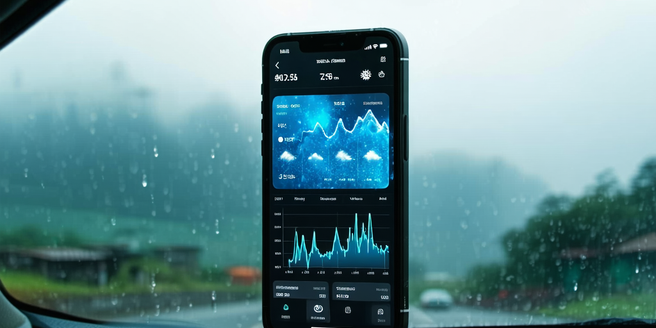
Enhancing Weather Data Accuracy with Smartphone Technology
Smartphones are revolutionizing the way weather data is collected and analyzed. With built-in sensors, smartphones can augment traditional weather stations by providing additional data points such as atmospheric pressure, temperature, and humidity. These devices make it easier for meteorologists and hobbyists to gather hyper-local weather information. Applications can process this data, correcting inaccuracies of conventional systems and offering more precise weather predictions. As smartphones become more advanced, the role they will play in increasing data accuracy is bound to grow, offering new insights into weather patterns and helping communities better prepare for weather changes.
Integrating Weather Station Apps with Mobile Devices
In today’s digital age, mobile applications provide seamless integration between weather stations and smartphones. By utilizing these apps, users can view and analyze weather data from their personal devices, making weather monitoring a more dynamic and interactive experience. These applications connect with various sensors and display real-time data, customizing alerts based on user preferences. This level of integration not only promotes ease of access but also increases user engagement with data recorded by weather stations. As app development continues to advance, we can expect more sophisticated tools to optimize how we receive and understand weather updates.
Real-Time Weather Updates and Alerts on Your Phone
Smartphones provide a direct line to the latest weather updates, making them an indispensable tool for staying informed. With real-time alerts, users can receive immediate notifications of severe weather, allowing them to make quick decisions to ensure their safety. This capability is especially important in regions prone to sudden weather changes. Many applications offer customizable settings, enabling users to select which alerts are most relevant to them. This immediacy transforms how we anticipate and react to changing weather conditions. By utilizing the connectivity and processing power of modern smartphones, individuals are empowered with timely, location-specific weather alerts conveniently in their pockets.
Smartphone Connectivity: Accessing Weather Station Features
Smartphone connectivity has transformed how we interact with weather stations, unlocking a range of features that were previously inaccessible. Through Bluetooth or Wi-Fi connections, users can control station settings remotely, download historical data, and share information with other enthusiasts. This ease of access has made weather monitoring more convenient than ever before. This connectivity ensures that users are constantly updated with the latest weather conditions and can adapt rapidly to environmental changes. As technology progresses, smartphones will integrate even more deeply with weather tools, offering extended functionalities and robust data analysis capabilities that enhance user experience and data engagement.
User-Friendly Weather Monitoring: The Smartphone Advantage
Smartphones have democratized weather monitoring by making it accessible and understandable for everyone. User-friendly interfaces and intuitive design in mobile applications mean individuals without technical expertise can easily monitor the weather. With more people engaged, there is a growing interest in learning about meteorological phenomena. Through vivid graphical displays, users can assimilate complex weather data effortlessly. Furthermore, real-time updates ensure that users are always informed of the latest conditions. Portable and always connected, smartphones offer the advantage of monitoring weather conditions anywhere, anytime. This accessibility encourages broader public participation in weather data collection and awareness, fostering informed communities better equipped to face environmental challenges.
The Future of Weather Reporting: Smartphones and IoT
The integration of smartphones with the Internet of Things (IoT) is set to revolutionize weather reporting. This synergy enables seamless data exchange between devices, providing comprehensive and detailed weather information. With every advancement, the accuracy and reliability of weather forecasts improve dramatically. IoT-enabled smartphones can connect with various sensors and devices, creating elaborate networks that refine weather forecasting processes through real-time data collection and analysis. Looking ahead, as IoT technology matures, smartphones will play a crucial role in personalizing weather reports, offering users enhanced insights and ensuring a more informed and safer global community.