
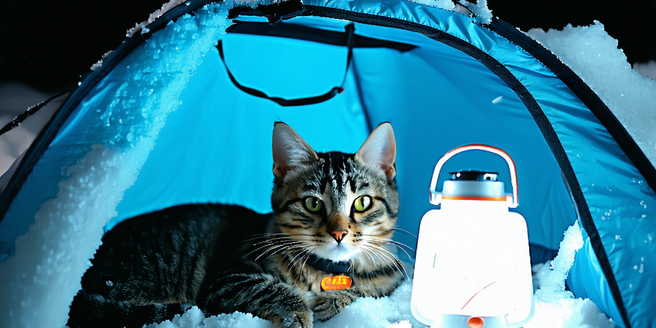
Choosing the Right Campsite for Winter Pet Safety
Selecting the appropriate campsite is crucial when camping with pets in winter to ensure their safety and comfort. Look for campsites that are sheltered from harsh winds and have a natural windbreak from trees or boulders. Consider proximity to your vehicle in case you need to seek refuge from sudden weather changes. The terrain should be flat to prevent cold air from settling in low spots, which can make conditions colder at night. Avoid areas prone to flooding, especially if snow is melting. Ensure the site has sufficient space for your pet to move freely yet remain under your watchful eye, minimizing the risk of wandering off or predator encounters. Having a site close to water sources is also beneficial, but ensure they’re not so close that freezing water becomes a hazard.
Essential Gear for Your Pet’s Comfort and Protection
When winter camping, it’s important to equip your pet with essential gear to maintain their comfort and safety. Invest in a quality, insulated pet jacket that fits snugly yet allows for unhindered movement. Consider booties to protect their paws from ice, snow, and cold surfaces, and check their fit regularly to prevent discomfort. A pet-specific sleeping bag can provide an extra layer of warmth during cold nights. Reflective collars or harnesses are useful for visibility during low-light conditions, making it easier to keep track of your pet. Don’t forget collapsible bowls for food and water, and if necessary, a portable heater or heated pad can be a worthwhile inclusion. Having the right gear helps ensure your pet enjoys the adventure as much as you do.
Maintaining Warmth: Blankets, Bedding, and Clothing
Keeping your pet warm during winter camping involves combining the right blankets, bedding, and clothing. Ensure your pet has an insulated sleeping surface to prevent heat loss to the ground. A thick foam mat or a specialized pet bed with thermal properties works well. Cover these with soft, moisture-wicking blankets to retain heat. Dress your pet in layers if temperatures drop, starting with a snug-fitting thermal shirt topped by an insulated jacket. Monitor their comfort routinely, as overheating can be as problematic as being too cold. Make adjustments based on weather changes, adding or removing layers as necessary. At night, tuck them into a cozy sleeping bag designed for pets, providing a warm, secure cocoon. Ensuring your pet stays warm is essential for their health and enjoyment.
Nutrition and Hydration: Keeping Pets Fed and Watered
Proper nutrition and hydration are pivotal for pets’ health during winter camping trips. Cold weather increases caloric needs, so provide high-quality, nutrient-dense food to maintain their energy levels. Feeding smaller meals more frequently throughout the day may help prevent digestion issues and regulate energy. Always keep their food stored properly to avoid spoilage and prevent wildlife encounters. Fresh water is crucial; it’s important to monitor their intake because dehydration can still occur in cold conditions. Use an insulated container to prevent water from freezing, and replenish it frequently. Bringing along a portable water filter or purification tablets can ensure access to safe drinking water. Maintaining a consistent feeding and hydration routine helps keep your pet healthy and energized during your adventure.
Recognizing Signs of Cold Stress in Pets
It’s essential to monitor your pet for signs of cold stress while winter camping, as their health and comfort depend on rapid response. Shivering, lethargy, and weakness are early indicators that your pet is too cold. Pay attention to excessive whining, barking, or seeking to burrow for warmth, which can also signal distress. Cold, pale extremities and slow breathing indicate more severe hypothermia and require immediate attention. Inspect paws for signs of cracking or bleeding, and ensure their clothing and bedding are dry. Adjust their environment to increase warmth by adding blankets, using a portable heater, or snuggling closer to you. If signs persist, seek veterinary care promptly, as prolonged exposure can lead to serious health issues. Being vigilant allows you to keep your pet safe and relaxed.
First Aid and Emergency Preparedness for Pets
Having a well-stocked first aid kit and a solid emergency plan are crucial when winter camping with pets. Your first aid kit should include bandages, antiseptic wipes, tweezers, and pet-safe medications for minor ailments. Pack a pet thermometer and familiarize yourself with basic first aid, such as handling hypothermia or frostbite. Keep emergency contact numbers for veterinarians or 24-hour pet clinics in your phone. It’s also wise to have a list of nearby veterinary facilities along your route. Ensure your pet has identification, like a collar with tags or a microchip, to assist in case of separation. Planning and preparation are key to managing unexpected situations, and having the right materials and knowledge can help you address issues swiftly and effectively, ensuring your pet’s safety.