
Understanding Snowy Terrain Types
Recognizing different types of snowy terrains is crucial for safe navigation. Snow can vary greatly in texture, temperature, and stability. Powder snow is dry and fluffy, providing little resistance, which can be challenging for those unprepared. Wind-packed snow is denser and can offer more support but poses risks of snowdrifts. Ice-covered snow can be deceptive, hiding underlying dangers like crevices or unstable patches. Understanding these variations requires practice and experience, as does identifying snow layers that might indicate avalanche risks. Utilizing tools like ski poles or ice axes can help with testing terrain stability. Equipping oneself with knowledge about snow types aids in making informed decisions and ensuring a safer journey. Familiarity with terms and regular field practice will increase confidence in handling different snowy conditions.
Preparing Your Gear for Snow Navigation
Proper gear preparation is vital for snow navigation. It begins with selecting appropriate footwear, such as insulated boots that provide both warmth and traction. Layering clothing is essential; start with moisture-wicking base layers, followed by insulating mid-layers, and finish with waterproof outer layers. Accessories like gloves, hats, and neck gaiters help retain body heat. Carrying equipment such as trekking poles and crampons can enhance stability and movement efficiency. Backpacks should be lightweight yet capable of holding essentials such as navigation tools and hydration systems. Checking gear for wear and tear before setting out is crucial to avoid unexpected failures. Ensuring your equipment is suited to the specific snow environment you’re entering enhances safety and comfort, allowing you to focus on navigating with confidence and effectiveness.
Basic Techniques for Walking on Snow
Walking on snow requires a change in movement strategy to maintain balance and conserve energy. Begin by taking shorter steps to minimize slipping and maintain stability. Distribute weight evenly on each foot to reduce sinking, especially in deep snow. Engage your core to help with balance, bending slightly at the knees and hips. Using trekking poles can provide extra stability and aid in maintaining an upright posture. Rolling your foot from heel to toe—known as the step-roll technique—can improve traction on compacted snow. For ascents, employ the herringbone technique by angling feet outwards for better grip. On descents, side-stepping can offer more control and minimize slipping. Adapting these basic techniques will improve your efficiency and safety while traversing snowy terrains, ultimately making the experience more enjoyable and less daunting.
Advanced Snow Travel Strategies
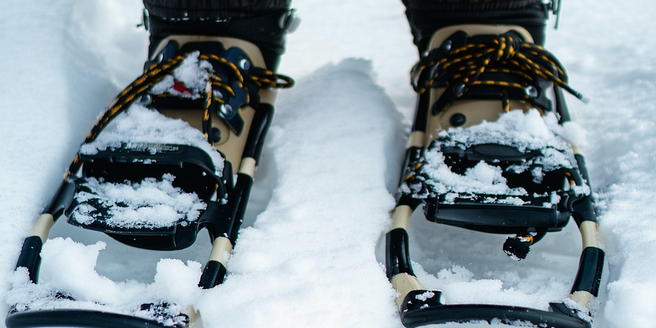
For those ready to move beyond the basics, advanced snow travel strategies offer greater versatility and safety. Techniques like kick-stepping allow you to ascend or descend steep slopes effectively by creating steps in the snow with your boots. This method requires practice to perfect the force and angle to carve solid footholds. Glissading, controlled sliding on the snow surface, is an efficient way to descend but necessitates skill to manage speed and direction. Snowshoeing is another advanced skill that helps distribute weight over a larger area to prevent sinking, essential in deep snow. For snowy terrains prone to avalanches, understanding route selection and the ability to recognize safe zones are critical. Advanced strategies require practice and awareness, ideally under the guidance of experienced mentors. These skills expand your capability to navigate challenging snowy landscapes safely.
Safety Tips and Precautions in Snowy Conditions
Safety in snowy conditions is paramount. Start by checking weather forecasts and avalanche reports for potential hazards before your journey. Always have a well-detailed itinerary shared with someone not in your party, and carry reliable navigation tools like maps and GPS devices. Environmental changes, such as temperature drops leading to hypothermia, demand layered clothing to regulate body temperature. Ensure you have an emergency kit that includes essentials such as first aid supplies, a whistle, and a thermal blanket. Trek in groups for added security and communication; solo travel increases risk if an emergency occurs. If traversing known avalanche areas, carry appropriate safety gear, including beacons, probes, and shovels. By preparing for potential dangers and staying vigilant, you improve your chances of a safe and successful snow navigation experience.