
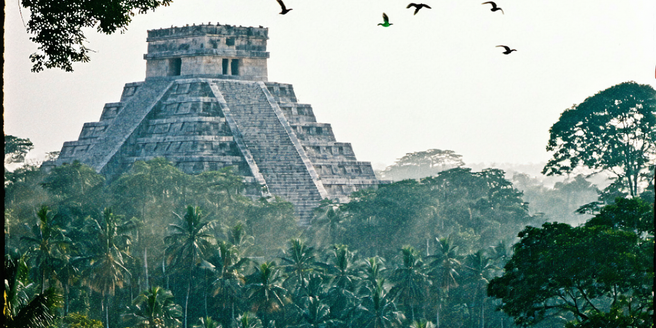
Understanding the Mayan Civilization: An Overview
The Mayan civilization, known for its impressive achievements in architecture, mathematics, and astronomy, thrived in the regions of present-day Mexico, Guatemala, Belize, and parts of Honduras. Spanning several centuries, the civilization constructed awe-inspiring cities like Tikal and Caracol, which today stand as testaments to their ingenuity. The Mayans developed a complex society with distinct social, political, and economic structures. Their hieroglyphic writing system and calendar are notable contributions to human knowledge. Despite their advancements, the civilization faced significant challenges, including environmental shifts that tested their resilience. Understanding their rise and eventual decline offers valuable insights into the complexities of ancient societies. Scholars continue to study the intricate details of Mayan life, piecing together evidence that reveals how they adapted to their ever-changing environment.
Climate Patterns and Environmental Challenges
The Mayan civilization existed in a region characterized by tropical climates, marked by distinct rainy and dry seasons. These climate patterns significantly influenced their agricultural practices and societal development. However, periods of climate instability presented challenges, such as prolonged droughts, leading to water scarcity and food shortages. The Mayans had to adapt their strategies to cope with these environmental changes, which included building sophisticated water storage and management systems. These challenges forced the society to constantly adjust to sustain their populations. Scientists and historians examine the impact of these climate patterns through studies of ancient pollen samples, cave formations, and other geological evidence. By understanding environmental challenges faced by the Maya, we gain insights into how such factors can shape the trajectory of civilizations.
The Role of Drought in Societal Transformations
Drought played a pivotal role in transforming Mayan society. During periods of severe drought, agricultural productivity declined, undermining food security and challenging the societal framework. This environmental stress led to shifts in political power, as leaders who could effectively manage resources rose to prominence. Social unrest became more common as communities struggled with resource scarcity. Historical records suggest that these periods of drought coincided with significant structural changes within the civilization, leading to migrations and the abandonment of certain city-states. By studying these transformations, researchers aim to understand how environmental factors directly contribute to societal evolution. These lessons highlight the precarious nature of environmental balance and its influence on the stability and development of human societies throughout history.
Adaptation Strategies and Agricultural Practices
The Mayans demonstrated resilience through their adaptation strategies and innovative agricultural practices. Faced with environmental challenges, they developed techniques such as terracing and raised field agriculture. These methods improved crop yields and optimized water usage. The construction of advanced irrigation systems, reservoirs, and canals facilitated effective water management during dry spells. Additionally, the Mayans practiced diversified farming to mitigate risks associated with crop failure. Their deep understanding of the ecological systems allowed them to maximize resources and sustain their communities. These agricultural practices underscore the importance of innovation in the face of adversity. Modern societies can draw lessons from the Mayans’ adaptability, emphasizing the necessity of sustainable practices when dealing with current environmental challenges like climate change and resource scarcity.
Cultural and Economic Impacts of Drought
Drought conditions had profound cultural and economic impacts on the Mayan civilization. The scarcity of resources intensified competition among city-states, leading to conflicts and shifts in political alliances. Economically, resource depletion affected trade networks, as basic commodities became scarce, reducing trade flow. Such scarcity prompted cultural shifts; spiritual and religious practices evolved as societies sought divine explanations and interventions during challenging times. The cultural emphasis on rain and fertility in religious ceremonies reflects the critical importance of water in their daily lives. These practices highlight how environmental factors can influence cultural and economic structures. By understanding these impacts, we gain a comprehensive view of the interconnectedness of environment, economy, and culture in shaping human history.
Lessons from the Past: Modern Implications
Studying the Mayan civilization’s response to drought provides vital insights for modern societies facing similar challenges. The Mayans’ innovative adaptation strategies offer valuable lessons in resilience and sustainability. Contemporary policy-makers and communities can draw from these historical examples to craft strategies that address current environmental concerns, such as climate change and resource management. Understanding the societal consequences of drought and resource scarcity in the past can guide modern efforts to develop adaptive responses that prevent societal disruption. These historical perspectives stress the importance of investing in sustainable technologies and infrastructures that enhance resilience. As we navigate an era of environmental uncertainties, these lessons from the past are increasingly relevant and crucial for ensuring a stable and prosperous future.