
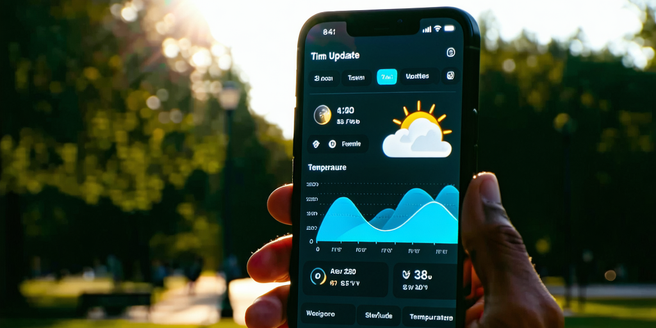
Understanding the Importance of User-Friendly Interfaces in Weather Apps
Weather apps are essential tools that offer valuable services to users. However, the vast amount of data they present can be overwhelming without a user-friendly interface. A seamless interface ensures that users can access essential information like temperature, humidity, and forecasts with ease. It highlights the necessity for intuitive navigation to prevent users from feeling frustrated. By enhancing the user experience, apps can provide quicker access to the desired information, ultimately improving satisfaction and usability. User-friendly interfaces also reduce the learning curve for new users, making the app more accessible. As technology advances, developers must emphasize creating interfaces that prioritize user needs, making the interaction with the app as simple and intuitive as possible, ensuring users return for their daily weather updates.
Key Features to Look for in Daily Weather Applications
When selecting a daily weather app, several key features can enhance user experience. First, real-time updates ensure that the information is current, providing users with the most accurate details. Interactive maps offer visual insights into weather patterns, making it easier to understand conditions at a glance. Customizable alerts keep users informed of significant weather changes, whether it’s a sudden storm or a heatwave. Intuitive design and easy navigation are critical, ensuring users can quickly find essential data like temperature and precipitation forecasts. Finally, detailed hourly and weekly forecasts allow users to plan their activities around anticipated weather changes. By incorporating these features, a weather application can provide comprehensive and reliable information, establishing itself as an indispensable tool for daily use.
Top-Rated User-Friendly Weather Apps of 2023
In 2023, several weather apps stood out for their user-friendly design and features. App A, known for its minimalist interface, offers users simple navigation and clear weather visuals that make checking the forecast effortless. App B’s extensive customization options allow users to tailor the app to their preferences, enhancing user satisfaction. App C integrates social features, enabling users to share weather conditions and alerts with friends and family. These apps prioritize real-time data and intuitive design, ensuring users have access to reliable information efficiently. By focusing on seamless user experience and innovative features, these top-rated apps have set a standard for quality in weather applications, capturing the attention of both casual users and weather enthusiasts alike.
How User Experience Impacts Weather App Adoption
User experience is a pivotal factor in the adoption of weather apps. An app with a poorly designed interface can frustrate users, leading them to seek alternatives that better meet their needs. In contrast, applications that offer a seamless and intuitive experience can increase user retention and satisfaction. Features such as easy navigation, quick access to personalized weather data, and engaging visual elements contribute significantly to an app’s popularity. Additionally, apps that prioritize supporting all demographics, including those with accessibility needs, have a broader appeal. Positive user experience not only leads to higher adoption rates but also fosters trust in the app’s reliability. Therefore, developers should place a premium on optimizing the user experience to ensure long-term success.
The Future of User-Friendly Weather Application Design
As technology continues to evolve, the future of weather app design promises even more user-friendly innovations. With advancements in artificial intelligence, apps may soon be able to provide hyper-localized weather predictions and offer personalized recommendations based on users’ specific locations and preferences. Innovations in wearable technology and augmented reality could further integrate weather data into daily activities, offering seamless access to forecasts on the go. Additionally, enhanced voice-activated controls and smarter notifications are expected to provide users with easier, hands-free interaction with their apps. As users demand more accurate, timely, and accessible weather information, developers will need to continually refine interface features, ensuring apps remain intuitive and cater to changing user expectations as we progress into the future.