
What Causes High Pressure Systems?
High pressure systems are formed when there’s a downward motion in the atmosphere. This happens when the air above a specific region cools down, becoming denser and sinking towards the Earth’s surface. As this air descends, it compresses, leading to an increase in pressure. Factors like the Earth’s rotation and the presence of mountains can also contribute to the development of high pressure areas. When high pressure systems occur, they prevent the formation of clouds, as the sinking air suppresses upward motion necessary for cloud formation. These systems can maintain clear and calm conditions for extended periods, especially if they’re strong and stable.
The Role of High Pressure in Weather Patterns
High pressure plays a critical role in shaping weather patterns around the world, often acting as a key determinant of local and regional weather conditions. These systems are characterized by sinking air that inhibits cloud formation and precipitation, creating conditions for clear skies and dry weather. The rotation of the Earth causes high pressure systems in the Northern Hemisphere to rotate clockwise, influencing the direction and movement of weather fronts. As these systems can be large and slow-moving, they have the capacity to stabilize weather patterns for days or even weeks, contributing to prolonged dry and sunny spells.
How High Pressure Leads to Clear Skies
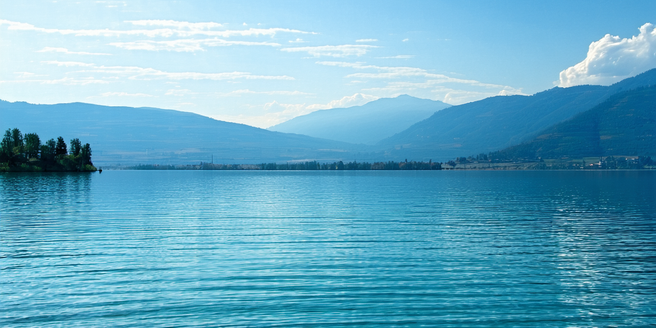
When a high pressure system dominates an area, it causes air to descend. This downward movement warms the air as it compresses, leading to a stable atmosphere that prevents clouds and precipitation from forming. The lack of cloud cover allows sunlight to reach the surface unobstructed, resulting in clear skies. This phenomenon is why high pressure is often associated with sunny weather. In contrast, low pressure areas are usually marked by rising air and cloud formation. Additionally, stable air makes it difficult for storm systems to develop. As a result, regions under sustained high pressure systems frequently experience extended periods of clear, dry weather.
Impacts of High Pressure on Daily Weather
The impacts of high pressure systems on daily weather can be significant, often resulting in conditions that are noticeably different from typical weather patterns. Due to the stable and descending air associated with high pressure, these systems often lead to dry, sunny days with few, if any, clouds. This can result in wide temperature swings between day and night, with warmer temperatures during the day due to unobstructed sunlight and cooler nights as heat escapes back into the atmosphere. In addition, high pressure can contribute to stagnant air conditions, which may lead to increased air pollution levels in urban areas.
High Pressure Systems Around the World
High pressure systems are a global phenomenon and appear in various forms across different regions. In the subtropics, the persistent high pressure zones contribute to desert climates, such as the Sahara or the Mojave Desert. In contrast, regions like the Azores High play a crucial part in influencing the North Atlantic weather patterns, often bringing stable and warm weather to Europe. The Siberian High in Asia creates extremely cold, dry conditions during the winter due to its significant pressure gradient. Each high pressure system’s characteristics and effects depend on its geographical location and the surrounding meteorological conditions.
Predicting Weather Using High Pressure Maps
Meteorologists rely on high pressure maps to forecast weather patterns accurately. These maps show areas of high atmospheric pressure, often indicating stable weather conditions. By analyzing the size, intensity, and movement of high pressure systems, forecasters can predict dry spells, temperature changes, and wind patterns. High pressure maps are crucial for long-range forecasting as these systems influence regional and even global weather conditions. Understanding these patterns helps communities prepare for upcoming weather changes. Advanced satellite and radar technology aid in the development of precise high pressure maps, providing essential data for climatologists and weather services to assess and forecast potential weather scenarios.