
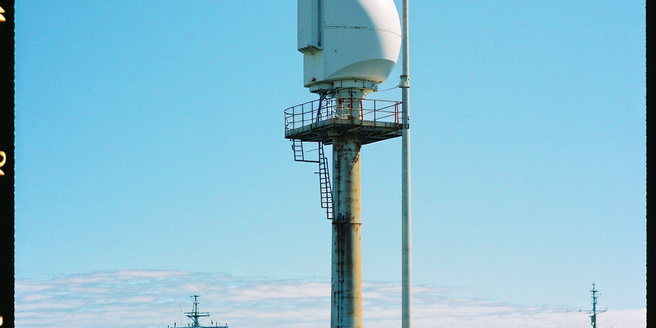
Understanding the Importance of Radar in Harbors
Radar systems are fundamental to the safe operation of harbors, providing key navigational aids to vessels. They enable real-time monitoring of maritime traffic, detecting hazards such as large vessels, buoys, and unexpected obstacles. Their ability to function effectively in all weather conditions ensures that operations remain safe and efficient. Without radar, visibility limitations like fog or darkness would severely impede the ability of harbor authorities to manage traffic safely. This tool is crucial for preventing accidents and collisions, promoting the orderly flow of ship movements, and protecting both maritime personnel and cargo. As global trade increases, the demands on harbor infrastructures grow, necessitating the optimization of technology like radar to uphold safety protocols and secure cargo movements.
Technological Advancements in Harbor Radars
Recent years have seen remarkable advancements in radar technology, greatly enhancing their efficacy within harbors. Modern radar systems now offer higher resolution imaging, enabling detailed vessel tracking and precise navigation aids. Integration with AI and machine learning technologies provides predictive analytics for harbor authorities, allowing for proactive decision-making. Automated radar systems now feature improved accuracy in target detection and classification, adapting to the complex dynamics of busy harbor environments. Additionally, advancements in digital networking have allowed radar systems to be seamlessly integrated with other maritime safety tools, creating a cohesive safety management system. These innovations contribute to minimizing risks and enhancing the overall safety and efficiency of harbor operations, ensuring that the ever-growing global maritime traffic is managed effectively.
How Radar Systems Enhance Maritime Safety
Radar systems play an instrumental role in enhancing maritime safety within harbors by providing continuous surveillance and data collection. They enable operators to detect potential hazards, monitor vessel movements, and ensure adherence to navigational rules. The ability to provide coverage in adverse weather conditions or low visibility is vital in preventing accidents. Additionally, radar systems contribute to Search and Rescue (SAR) operations by helping locate vessels in distress and coordinating rescue efforts. This technological foresight allows maritime authorities to take preventive measures, reducing accident risks. Furthermore, by integrating with Vessel Traffic Services (VTS), radars enhance the management of maritime traffic flow, crucial for avoiding congestion in busy harbors. Overall, radars are indispensable for maintaining safety in waterborne operations and protecting life and property.
Challenges in Implementing Radar Solutions
Implementing radar solutions in harbors is not without its challenges. The initial investment required for advanced radar technologies can be significant, posing budgetary constraints for harbor authorities. Ensuring seamless integration with existing systems requires thorough planning and technical expertise. Moreover, training personnel to operate new radar systems and interpret data accurately also demands time and resources. There are ongoing maintenance and upgrade costs to consider, as well as the need for continual evaluations to ensure system reliability and effectiveness. Regulatory compliance, both local and international, further adds to the complexity of implementing these solutions. Despite these challenges, overcoming them is essential to harness the full potential of radar technologies and their contribution to maritime safety.
Case Studies: Success Stories from Busy Harbors
Several busy harbors around the world have successfully implemented radar systems, setting benchmarks for maritime safety. For instance, the Port of Rotterdam, Europe’s largest port, demonstrates a state-of-the-art radar system that efficiently manages high vessel traffic. Its radar network is linked with Vessel Traffic Management Systems, enabling precise navigation and timely decision-making. Similarly, the port of Singapore has advanced radar technology ensuring seamless, risk-free operations in one of the world’s busiest waterways. These systems not only prevent collisions but also enhance operational efficiency by reducing waiting times for berthing. The implementation of these radar technologies has led to demonstrable improvements in safety records, serving as models for other harbors aiming to optimize their safety processes and increase their operational capacity.
Future Trends in Harbor Radar Technology
As technology advances, future trends in harbor radar systems point towards even greater integration with automated and autonomous systems. Next-gen radars will likely incorporate enhanced AI and machine learning to provide predictive data analysis, improving response times to potential threats. With continued development in sensor technology, future radar systems will offer even higher resolution imaging and extended detection ranges. The advent of 5G and other high-speed networks will enable faster data transmission, facilitating real-time situational awareness. Moreover, the integration with satellite communication systems might provide global coordination, crucial for international maritime operations. As these trends evolve, radar systems will become increasingly pivotal in enhancing the efficiency, safety, and sustainability of harbors, equipped to meet the growing challenges of global maritime trade.