
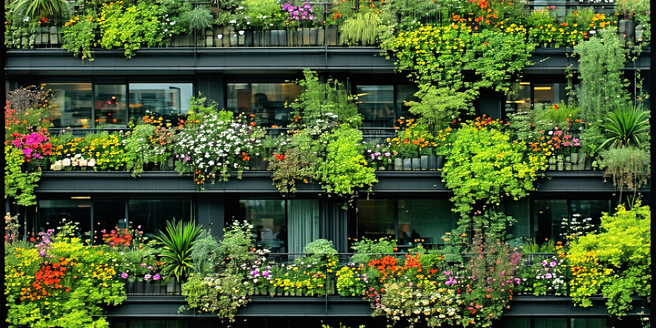
Green Roofs and Vertical Gardens
Green roofs and vertical gardens are transformative urban design elements that combat heat by enhancing green spaces. These interventions reduce the urban heat island effect by cooling the surrounding air through evapotranspiration. As cities continue to grow, finding sustainable solutions to mitigate heat becomes increasingly critical. Green roofs absorb sunlight, decreasing building heat gain, while vertical gardens use vertical space to increase vegetation coverage. Both methods contribute to improved urban biodiversity and air quality. By integrating plants into urban architecture, these designs provide insulation, reducing energy costs associated with cooling buildings. Furthermore, they offer aesthetic value and recreational spaces, improving residents’ mental well-being. Embracing these innovations is a sustainable approach to moderating urban temperatures.
Reflective and Cool Pavements
Reflective and cool pavements are pivotal in the effort to reduce urban heat. Traditional asphalt and concrete absorb significant amounts of heat, increasing the ambient temperature. Innovative materials, like permeable pavements and those with reflective surfaces, mitigate this effect. These surfaces reflect more sunlight and absorb less heat, maintaining a cooler temperature even on hot days. By reducing surface and air temperatures, they also minimize energy use for air conditioning in adjacent buildings. Furthermore, cool pavements can have a significant impact on reducing the urban heat island effect. Implementing cool pavements can also improve water permeability, decreasing runoff and enhancing stormwater management. Cities adopting reflective pavements contribute to a more sustainable and comfortable urban environment.
Urban Tree Planting and Shading
Urban tree planting and shading play crucial roles in urban heat management. Trees provide natural shade, reducing the heat absorbed by streets and buildings. Through the process of transpiration, they release moisture, cooling the air and contributing to a pleasant microclimate. In addition, trees can also increase property values and improve the aesthetic appeal of urban areas. Beyond their environmental benefits, trees also offer social advantages by providing spaces for community interaction and recreation. Well-planned urban forestry can lower ambient temperatures, reduce energy consumption, and improve air quality by filtering pollutants. Strategic placement of trees along streets and in public areas can enhance walkability and encourage outdoor activities. Cities investing in robust tree-planting programs not only combat heat but also create healthier, more livable urban spaces.
Innovative Building Materials
Utilizing innovative building materials is essential for reducing heat in urban areas. New materials, such as phase-change materials, adapt to environmental temperatures by absorbing or releasing heat when they transform states. These materials are being increasingly researched and tested across various climates to optimize their efficiency. Integrating advanced materials into urban design not only benefits individual structures but also contributes to broader environmental sustainability. Incorporating these materials in construction can drastically reduce energy consumption for heating and cooling. Additionally, lighter-colored materials or those with high albedo properties reflect more sunlight, decreasing heat absorption. The development of smart materials that adjust in response to external conditions offers promising solutions for moderating building temperatures. By prioritizing such innovative materials, urban planners can significantly mitigate the urban heat island effect.
Smart City Technologies
Smart city technologies are revolutionizing the approach to urban heat reduction. Sensor networks and data analytics enable cities to monitor and manage energy consumption and temperature in real-time. Innovations in climate modeling are providing cities with predictive tools to prepare for heatwaves and mitigate their impact. Smart grids efficiently distribute energy, reducing excess production and heat emission. Additionally, green roofs and urban vegetation are being implemented to further absorb heat and cool urban areas naturally. Intelligent transportation systems optimize traffic flow, lower emissions, and decrease the urban heat load. Integrating IoT devices in urban planning allows for adaptive lighting and heating systems, conserving energy. By leveraging technology to improve infrastructure efficiency, cities can achieve substantial reductions in urban temperatures while enhancing residents’ quality of life.