
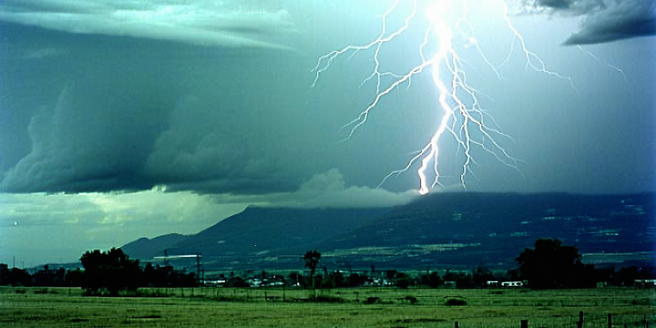
Understanding Thunderstorm Formation and Climate Dynamics
Thunderstorms are complex weather phenomena influenced by various atmospheric conditions. Typically, a thunderstorm requires moisture, an unstable atmosphere, and a lifting mechanism to form. As warm air rises, it cools and condenses to form cumulonimbus clouds, eventually leading to precipitation and storm activity. Climate dynamics play a crucial role, as they can alter these fundamental conditions. Changes in sea surface temperatures, atmospheric circulation, and greenhouse gas concentrations can modify regional climate patterns and influence the frequency and intensity of thunderstorms. Understanding these underlying mechanisms is essential for predicting how thunderstorms will behave in a changing climate, where factors such as increased humidity and changing wind patterns can trigger more severe weather events.
How Rising Temperatures Influence Thunderstorm Intensity
Rising global temperatures have a significant impact on thunderstorm intensity. Warmer temperatures can lead to an increase in atmospheric moisture, one of the key ingredients for thunderstorm development. With more water vapor available, the potential for heavy precipitation and severe storm events rises. Additionally, higher temperatures can enhance atmospheric instability, providing more energy for storms to intensify. Thunderstorms feed off of this unstable air, growing in size and strength as they move across the landscape. Climate change is amplifying these extreme weather patterns, making thunderstorms more intense and frequent—posing an increasing threat to communities worldwide. This amplification effect necessitates more robust forecasting and mitigation strategies to manage the risks associated with these powerful weather events.
The Role of Humidity in Storm Development Amidst Climate Change
Humidity plays a critical role in the development of thunderstorms, acting as fuel for their formation and intensification. As climate change progresses, atmospheric humidity levels are likely to rise due to increased evaporation from warming oceans and surface temperatures. This added moisture in the air can lead to more vigorous storm systems. Enhanced humidity facilitates the upward movement of air, known as convection, which is crucial for initiating the clouds and precipitation associated with thunderstorms. The relationship between humidity and storm severity highlights the broader impacts of a warming climate on weather patterns. Understanding how shifts in humidity affect storm development is vital for predicting future thunderstorm behavior and potential impacts on different regions.
Assessing Changes in Thunderstorm Patterns Across Regions
As climate change reshapes global weather patterns, assessing changes in thunderstorm activity across different regions becomes critical. Some regions may experience increased storm frequency, while others see a decline, influenced by local climate conditions. Advances in climate modeling help researchers understand how factors like temperature shifts, sea-level rise, and changes in atmospheric circulation affect regional storm patterns. The use of satellites and advanced radar systems has significantly improved the accuracy of weather predictions. For example, the intensification of the monsoon in South Asia or increased storm activity in the Midwest United States highlights regional variability. Detailed assessments of regional patterns allow meteorologists and policymakers to prepare and adapt to these changes, ensuring the resilience of communities facing altered thunderstorm dynamics.
The Future of Thunderstorm Activity in a Changing Climate
Predicting the future of thunderstorms amidst climate change is complex, yet crucial for preparedness. As global temperatures rise, we can expect changes in thunderstorm patterns and intensity. Advanced climate models predict shifts in storm tracks and the potential for more severe thunderstorms in certain areas. Increased instability in the atmosphere due to warming can lead to more frequent intense weather events, posing significant challenges for infrastructure and safety. It is essential for governments and communities to invest in resilient infrastructure to withstand these evolving weather patterns. Understanding how these changes will play out requires a comprehensive approach, integrating observational data, climate models, and impact assessments. Proactive adaptation strategies can mitigate adverse effects on society, reinforcing the importance of continued research and monitoring in the field of severe weather prediction.