
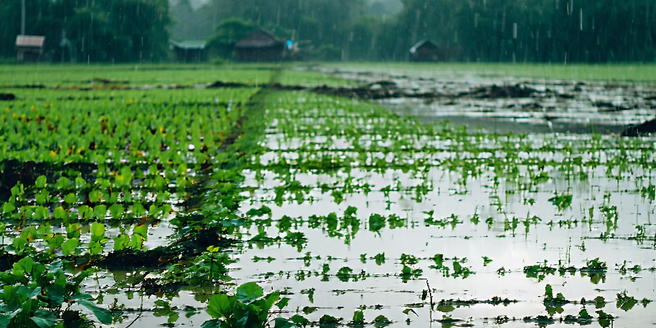
Understanding the Causes of Agricultural Flooding
Agricultural flooding can be attributed to a range of factors, both natural and man-made. One of the primary natural causes is the occurrence of heavy rainfalls that exceed the absorption capacity of the soil, leading to runoff and accumulation in fields. Additionally, the alteration of natural water channels and human activities such as deforestation can disrupt natural drainage systems, exacerbating flood risks. Sustainable farming practices can help alleviate some of these issues. Climate change plays a significant role, too, as it increases the frequency and intensity of storms. Poorly managed irrigation systems and over-reliance on water-intensive crops contribute to the problem. Understanding these causes is crucial for developing preventative measures and mitigating the impacts on agriculture.
Immediate Impacts on Crop Yields
The immediate impacts of flooding on crop yields are profound and devastating. Standing water in fields can lead to oxygen depletion around roots, which is detrimental to plant health. Crops like wheat, corn, and soybeans are especially vulnerable as prolonged exposure to excess water can cause rotting, stunting, and even death of the plants. The loss of these staple crops can have far-reaching implications for food security across the globe. Nutrient leaching is another consequence, where essential nutrients are washed away from the soil, reducing fertility and impairing plant growth. Pests and diseases also proliferate in flooded conditions, further diminishing yields. These immediate effects compromise the quantity and quality of harvests, affecting food supply and farmers’ income.
Effects on Soil Fertility and Structure
Flooding profoundly impacts soil fertility and structure, often deteriorating its capacity to support future crops. Excessive water can lead to soil compaction, which restricts root growth and decreases the availability of air. In addition, the disruption caused by flooding can have long-term effects on the ecosystem. Frequent flooding events have become a growing concern for farmers in vulnerable regions. Moreover, valuable topsoil rich in organic matter and nutrients can be eroded and washed away. This results in nutrient-poor subsoil, which hampers crop growth. Floodwaters can also deposit silt and other debris onto the land, altering the soil composition and pH levels unfavorably. These changes can require significant rehabilitation efforts to restore productivity, making understanding and managing soil health critical post-flooding.
Long-term Economic Consequences for Farmers
Flooding’s long-term economic consequences for farmers are severe, impacting their financial stability and operational capacity. Damage to infrastructure such as irrigation systems, roads, and storage facilities imposes substantial repair costs. The loss of anticipated harvest income means many farmers struggle to meet loan repayment schedules. Furthermore, increased insurance premiums can become an additional financial burden for farmers dealing with recurrent floods. Additionally, the reduction in yields can lead to decreased bargaining power in the market and reliance on government aid. Over time, repeated flooding events may discourage continued investment in agriculture, diminishing local economies and prompting farmers to seek alternative livelihoods. Planning and support are vital to mitigating these long-term economic damages.
Strategies for Mitigation and Adaptation
Adopting strategies for mitigation and adaptation is essential to minimize flooding’s impacts on agriculture. Implementing proper water management systems, such as rainwater harvesting and efficient irrigation, helps control excess water. The cultivation of flood-resistant crop varieties can sustain yields despite adverse conditions. Maintaining vegetative cover and preserving wetlands can enhance natural water absorption and reduce runoff. Innovative technology solutions, such as precision agriculture, can further bolster the resilience of farming operations. Farmers can also diversify their crops to spread risk and enhance resilience. Governments and communities play critical roles in providing resources, education, and infrastructure improvements. Anticipatory adaptation and the development of robust disaster response plans can significantly diminish the adverse effects of agricultural flooding.