
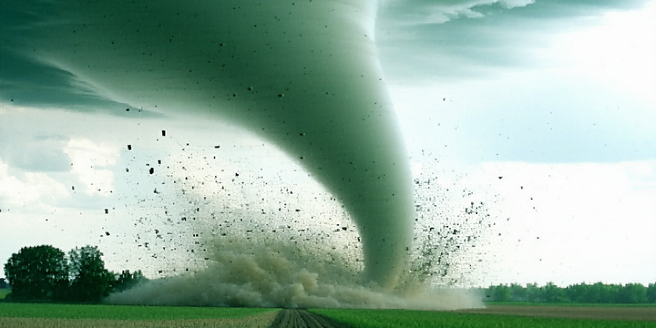
Understanding Weather Extremes and Their Types
Weather extremes include phenomena like hurricanes, heatwaves, floods, and droughts. Each event holds unique characteristics but shares a common thread of causing significant societal impact. Hurricanes, with their powerful winds and torrential rains, can devastate communities and lead to extensive damage. Heatwaves bring prolonged periods of excessive heat, affecting health, agriculture, and water supply. Floods result from excessive rainfall, leading to water accumulation in areas unprepared for such overflow, while droughts, in contrast, are marked by prolonged periods of dryness, severely impacting crop yield and water resources. Understanding these weather extremes is essential as they underline the vulnerabilities of human societies and ecosystems. Research and disaster preparedness play a crucial role in mitigating the risks associated with these weather phenomena, ensuring that communities are better equipped to handle the challenges they pose.
How Severe Weather Impacts Mental Health
Severe weather events, such as hurricanes, tornadoes, and floods, have profound impacts on mental health. The aftermath of such events can lead to increased anxiety, depression, and post-traumatic stress disorder (PTSD). The unpredictability and force of severe weather disrupt the sense of security and safety, leading to emotional trauma. Individuals may experience a heightened state of alertness, fear, and uncertainty about the future. Moreover, displacement and loss of homes significantly contribute to stress and feelings of helplessness. Social support networks may also be affected, leading to isolation and a lack of community cohesion. Long-term mental health issues can arise as communities struggle to rebuild. Addressing these mental health challenges requires comprehensive support, including counseling services, community programs, and access to resources to foster resilience and recovery.
The Link Between Climate Change and Emotional Well-being
Climate change is increasingly recognized as a key influencer on emotional well-being. As global temperatures rise, the frequency and intensity of extreme weather events, such as hurricanes, heatwaves, and floods, increase, leading to widespread environmental and social changes. These events can lead to direct and indirect psychological stress. The uncertainty and disruption they bring challenge the emotional stability of individuals, as fear and anxiety about the future grow. Displacement due to rising sea levels or prolonged droughts place additional stress on mental health, especially in vulnerable populations. Additionally, the gradual changes in climate impact livelihoods, with economic insecurities further compounding stress levels. Understanding and addressing the psychological implications of climate change is crucial for developing adaptive strategies to support mental health and promote community resilience.
Coping Strategies for Weather-Induced Stress
To effectively manage weather-induced stress, individuals can adopt several coping strategies. First, maintaining a preparedness plan can reduce anxiety by fostering a sense of control. This includes having an emergency kit, evacuation routes, and communication plans in place before severe weather strikes. Secondly, cultivating strong social networks can provide emotional support and reduce feelings of isolation. Engaging in community activities and support groups can offer solace and a platform for shared experiences. Thirdly, focusing on self-care practices such as mindfulness, regular exercise, and sufficient sleep can enhance mental resilience. Lastly, professional counseling services are invaluable for those experiencing persistent stress or anxiety related to weather events. By proactively employing these strategies, individuals can better navigate the emotional challenges posed by extreme weather, enhancing personal resilience and reducing the overall mental health impact.
Community Support: Building Resilience Together
Community support plays a crucial role in building resilience against extreme weather events. Collaborative efforts can strengthen local responses to emergencies by ensuring that resources and information are distributed efficiently. Establishing community networks, where neighbors support each other during crises, can enhance collective resilience and provide a sense of security. Community programs focused on disaster preparedness education empower individuals with essential skills and knowledge, fostering a culture of readiness. Additionally, communal spaces can serve as evacuation centers or hubs for distributing aid, ensuring that all members have access to necessary resources. Involving local leaders and organizations in resilience planning can enhance trust and ensure tailored approaches to community-specific vulnerabilities. By prioritizing community support systems, societies are better equipped to withstand and recover from the challenges posed by extreme weather phenomena.
Future Perspectives on Weather and Mental Health
As we look towards the future, understanding the interplay between weather and mental health becomes increasingly vital. Climate change continues to exacerbate weather extremes, and their psychological impacts are expected to rise. Future perspectives focus on enhancing adaptive capacity and mental health resilience through integrated approaches. Collaborations between meteorologists, health professionals, and community planners can foster predictive models and support systems tailored to address mental health in the context of weather extremes. Investing in mental health infrastructure, including access to counseling and support services, is crucial. Education initiatives are key to raising awareness and empowering individuals with knowledge to cope effectively. As new technologies emerge, they can play a role in developing innovative solutions that anticipate and mitigate the psychological effects of extreme weather. A comprehensive, forward-looking strategy is essential for building a society resilient to the complex challenges ahead.