
Understanding the Impact of Wildfire Smoke on Health
Wildfire smoke is a complex mixture of air pollutants including particulate matter (PM2.5), carbon monoxide, and volatile organic compounds. These pollutants can have serious health impacts, particularly for vulnerable groups such as children, the elderly, and those with pre-existing respiratory conditions. Prolonged exposure can lead to respiratory issues, decreased lung function, and exacerbation of asthma. Notably, PM2.5 particles are small enough to penetrate deep into the lungs and enter the bloodstream, posing significant health risks. Public health advisories during wildfire season often emphasize staying indoors, using air purifiers, and avoiding strenuous outdoor activities to minimize exposure. Understanding these impacts is critical for taking proactive steps to safeguard health during wildfire-prone periods.
Preparing Your Home for Improved Indoor Air Quality
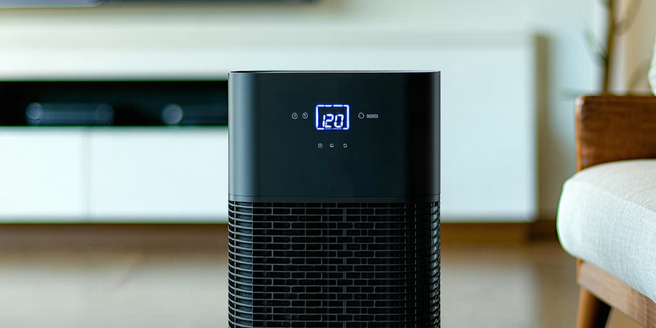
As wildfire seasons intensify, preparing your home to maintain good indoor air quality becomes crucial. Begin by sealing windows and doors to prevent smoke infiltration. Installing high-efficiency particulate air (HEPA) filters in your HVAC system can reduce indoor pollution substantially. Consider purchasing air purifiers with HEPA filters for additional protection, especially in bedrooms and living areas. Creating a ‘clean room’ using a portable air cleaner in one part of the home provides a space with improved air quality. Limiting activities that increase indoor pollutants, such as burning candles or using gas stoves without ventilation, is essential. Regular maintenance of air systems ensures optimal performance. By implementing these strategies, you can significantly improve indoor air quality during wildfire events.
Air Purification Techniques to Combat Wildfire Particles
Effective air purification is vital during wildfire seasons to mitigate the harmful effects of smoke particles. HEPA filters are the gold standard, capable of capturing up to 99.97% of particles as small as 0.3 microns, including smoke particles. Activated carbon filters complement HEPA filters by adsorbing odors and volatile organic compounds. When selecting air purifiers, consider the Clean Air Delivery Rate (CADR) to ensure adequate coverage for your space. Portable air cleaners are beneficial for targeted purification in individual rooms. Integration of air purification technology into HVAC systems provides whole-house benefits. Regularly replacing filters maintains efficiency. Educating residents on the importance of air purification enhances community resilience, providing cleaner indoor environments and reducing health risks associated with wildfire smoke.
Personal Protective Equipment: Masks and Beyond
The use of personal protective equipment (PPE) is a critical consideration for protecting oneself from wildfire smoke. Respirators, such as N95 or P100 masks, offer significant protection by filtering out small particles, unlike standard surgical masks. It is crucial to ensure these masks fit properly for effective filtration. However, masks are not recommended for children under the age of two or individuals with respiratory issues. Beyond masks, protective eyewear can prevent eye irritation caused by smoke. Additionally, wearing hats and clothing that covers the skin can provide further protection from falling ash and particulate matter. Understanding the limitations and proper use of PPE can enhance personal safety and reduce smoke-related health risks during wildfire events.
Monitoring Air Quality: Tools and Resources
Monitoring air quality during wildfire events is essential for making informed decisions about health and safety. Several resources are available to track air quality in real-time, including the Air Quality Index (AQI) provided by government agencies like the Environmental Protection Agency (EPA). Mobile applications and online platforms offer localized air quality data, often with forecasts and health recommendations. Personal air quality monitors can also be used for more specific readings in and around homes. Understanding how to interpret AQI values and related health advisories empowers individuals to adjust their daily activities accordingly. By utilizing these tools, communities can better manage exposure and protect public health during periods of compromised air quality.
Community-Based Strategies for Better Air Quality Management
Community-based approaches play a vital role in managing air quality during wildfire seasons. Establishing local air quality monitoring networks can provide real-time data, enhancing community response capabilities. Community education programs about air quality during wildfires help residents understand risks and protective measures. Developing community shelters with air filtration systems offers refuge during high smoke events. Collaborative efforts with local governments and organizations can increase access to resources like air purifiers and masks. Encouraging local businesses to adopt practices that minimize emissions further contributes to overall air quality improvements. By harnessing community strengths and resources, neighborhoods can effectively manage air quality, safeguard health, and enhance resilience against the impacts of wildfires.