
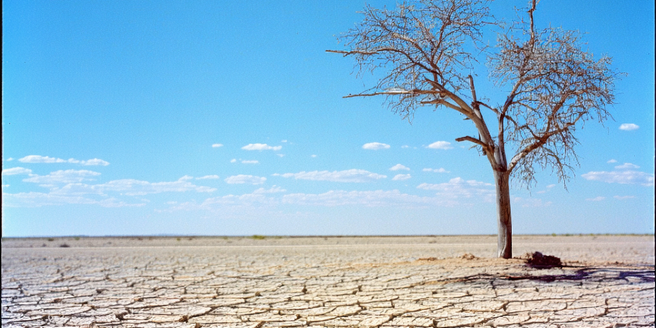
Understanding Drought Conditions: Causes and Impacts
Droughts are prolonged periods of inadequate rainfall, resulting in severe water shortages. They can be caused by natural climate variations, human activities like deforestation, and increased water consumption. Drought conditions significantly impact agriculture, leading to reduced crop yields and economic instability. Additionally, droughts can cause a decline in water quality in rivers, lakes, and reservoirs due to reduced dilution of pollutants. This increases the vulnerability of ecosystems and communities dependent on these water sources. The social and economic consequences of droughts can be devastating, particularly for communities reliant on agriculture for their livelihoods. Understanding the causes and impacts of drought is essential for developing effective mitigation and adaptation strategies.
Connection Between Drought and Water Quality
During drought conditions, decreased water levels in natural reservoirs result in higher concentrations of contaminants. Reduced water flow means pollutants like heavy metals, nitrates, and pathogens are less diluted, leading to poorer water quality. Additionally, the lower water levels can lead to the accumulation of sediments and increase the likelihood of toxic algal blooms, which further degrade water quality. This scenario poses significant risks to public health as people are more likely to consume contaminated water. Agricultural and industrial runoff during drought exacerbates these issues, making water treatment processes more challenging and expensive. Ensuring reliable access to clean water during droughts remains a significant challenge for many communities.
Common Waterborne Diseases During Drought
Drought conditions often lead to an increased risk of waterborne diseases as water scarcity and contamination become prevalent. Common waterborne diseases during drought include cholera, dysentery, and hepatitis A, all of which can proliferate when water supplies are inadequate or contaminated. Insufficient water for personal hygiene may result in poor sanitation, facilitating the spread of these illnesses. Vulnerable populations, particularly in regions with limited access to healthcare, face heightened risks. The impact of these diseases can be exacerbated by malnutrition, which is more common during drought due to food shortages. Effective public health responses are essential to prevent disease outbreaks during such crises.
Preventive Measures for Waterborne Diseases
Implementing preventive measures is crucial for reducing the spread of waterborne diseases during drought conditions. Ensuring safe drinking water through the use of water filtration systems, boiling water, or using disinfectants can significantly reduce disease transmission. Promoting hand hygiene and proper sanitation practices also play vital roles in mitigating disease spread. Public awareness campaigns about the importance of safe water management and hygiene can bolster community efforts. In addition, regular monitoring of water quality and swift response to contamination incidents are necessary to protect public health. Support from local health authorities is essential for effective implementation of these preventive measures.
Role of Government and Organizations in Crisis Management
In drought-stricken areas, government and organizations play pivotal roles in crisis management. They are responsible for establishing policies and strategies for drought preparedness and response. Governments can implement water conservation measures, provide emergency water supplies, and invest in infrastructure improvements for better water management. Organizations, both local and international, can offer technical assistance, funding, and resources for affected communities. Collaborative efforts facilitate the dissemination of information and ensure an effective response to the challenges posed by drought. By engaging with stakeholders and fostering community resilience, governments and organizations can mitigate the adverse impacts of drought.
Community Education and Engagement in Water Conservation
Community education and active engagement are essential in promoting water conservation, particularly during drought conditions. Educating individuals about water-saving techniques, such as reducing wastage and implementing rainwater harvesting, empowers communities to conserve water effectively. Community programs can provide practical training and resources to help households and businesses adopt sustainable practices. Initiatives like these can also highlight the long-term benefits of water conservation, both environmentally and economically. Engaging local communities in conservation initiatives fosters a sense of shared responsibility and encourages collective action. By raising awareness of the importance of water conservation, communities can contribute to sustainable water management and be better prepared to face drought challenges.