
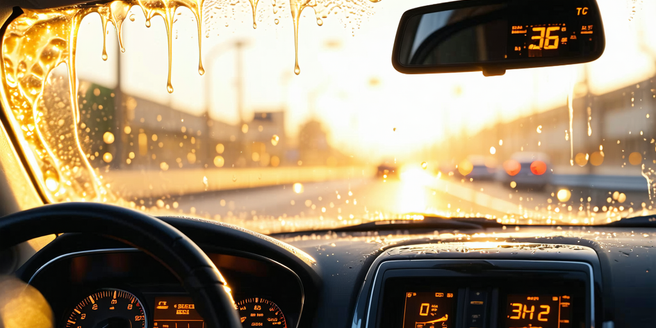
Understanding the Risks of Vehicle Heat Exposure
Vehicle heat exposure is a critical concern, especially during the summer months. Temperatures inside a parked vehicle can quickly rise to dangerous levels, even if the outside temperature seems moderate. Studies show that a car can heat up by 20 degrees Fahrenheit in just 10 minutes. This rapid increase can lead to severe health issues such as heatstroke, particularly for children and pets who are more vulnerable due to their smaller body size and inability to regulate temperature effectively. It is crucial for vehicle owners and caretakers to realize the latent risk of leaving anyone in a parked vehicle, even for a brief period. Moreover, accessories like window shades provide limited protection and should never substitute responsible behavior and awareness.
Common Myths About Vehicle Heat Safety
Many myths surround vehicle heat safety, potentially leading to dangerous practices. One prevalent myth is that cracking a window open in a parked vehicle is sufficient to keep temperatures at safe levels. In reality, this practice does little to counteract the rapid heat build-up. Another common misconception is that parking in the shade entirely mitigates heat risks; however, shade only slows down, but does not prevent, the temperature rise. Some believe that leaving the air conditioning on for a short while is an adequate solution, not realizing that once the engine is off, the cool air dissipates quickly. Dispelling these myths is essential to ensure that all passengers, especially vulnerable children and pets, remain safe.
How Quickly Can a Vehicle Heat Up?
The process of a vehicle heating up is both fast and dangerous. In just ten minutes, temperatures within a car can increase by 20 degrees Fahrenheit. Imagine the mercury soaring from 75 to nearly 100 degrees in no time at all. This escalation continues, as temperatures continue to rise sharply over time, potentially leading to life-threatening conditions such as heatstroke. Even a mild 70-degree day can be deceptive; inside a vehicle, temperatures can reach significantly higher, dangerous levels. Moreover, the interior components of a car, like seats and dashboards, absorb heat, magnifying the effect. Drivers must recognize the gravity of leaving passengers or pets inside a vehicle without proper ventilation or cooling.
Tech Innovations for Monitoring Car Temperature
As awareness of vehicle heat risks grows, technology is stepping up to provide solutions for monitoring and managing car temperatures. Innovations include smart car monitors capable of sending alerts to your phone when temperatures inside your vehicle reach dangerous levels. Some systems are integrated with your vehicle’s sensors, allowing real-time temperature tracking. Additionally, aftermarket smart seats and mats can detect occupancy and trigger reminders to caretakers if a child or pet is left inside. These tools can be lifesavers, providing a first line of defense against potential heat-related tragedies. By combining tech solutions with mindful habits, vehicle owners can enhance safety for everyone on board.
Steps to Ensure Passenger and Pet Safety
Ensuring the safety of passengers and pets in vehicles during hot weather requires vigilance and proactive measures. Never leave a person or pet unattended in a parked vehicle, even for a short time. Create reminders to check the backseat before exiting your vehicle, such as placing your phone or purse in the back footwell. Educate all family members, including children, about the dangers of vehicle heat. If traveling with pets, ensure they have access to water and proper ventilation. Consider investing in safety tools like portable fans or temperature alarms. Above all, remain informed and aware of current weather conditions, planning activities with safety as your priority.
Emergency Measures for Heat-Related Incidents
In the event of heat-related incidents in vehicles, prompt action is crucial. If you discover a person or pet in distress due to heat exposure, immediately move them to a shaded or air-conditioned area. Call emergency services if symptoms of heatstroke, such as dizziness or confusion, are present. Apply cold packs or damp cloths to the affected person or pet while waiting for help. Hydration is vital, so provide cool fluids if the person is conscious and able to swallow safely. Training in basic first-aid can be invaluable in these situations, allowing you to stay calm and act effectively in the critical minutes that follow an emergency.