
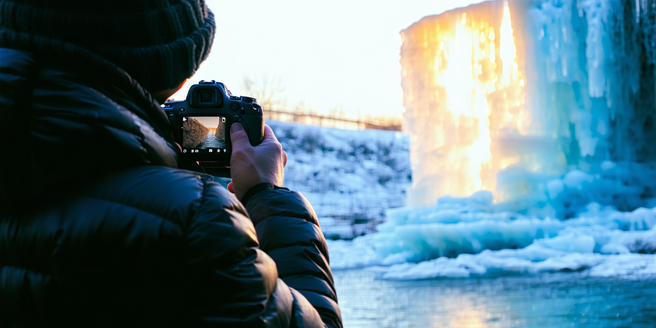
Choosing the Right Equipment for Ice Photography
Choosing the right equipment is crucial for capturing the delicate nuances of ice photography. Start with a camera that performs well in cold conditions, such as those with weather-sealed bodies. Pair it with a sturdy tripod to stabilize the camera in slippery conditions. Select lenses with a wide aperture for low light conditions common in icy environments. Consider using a polarizing filter to reduce glare and enhance the contrast of ice crystals. Battery life can significantly decrease in cold temperatures, so carry spare batteries and keep them warm. Waterproof camera bags are essential to protect your gear from moisture and frost. With the right equipment, you can effectively capture the intricate patterns and unique reflections that ice formations have to offer.
Understanding Light in Frozen Environments
In frozen environments, the light behaves uniquely compared to regular landscapes. The reflective surfaces of ice and snow can be challenging, often leading to overexposed images. To manage this, consider shooting during the golden hour when the light is softer and provides a warmer tone to the cold scenes. Utilize exposure compensation to avoid washed-out highlights. Understanding how light interacts with icy textures will guide you in choosing the correct exposure settings. Ice can act like a prism, offering chances for creative use of natural light. Play with angles to capture the dynamic interplay of light and ice, which can result in images with spectacular color and detail. Mastering the manipulation of light is key to conveying the ethereal beauty of frozen landscapes.
Techniques for Capturing Ice Details
Capturing the intricate details of ice requires patience and the right techniques. Macro photography is an excellent way to explore the delicate intricacies of ice formations. Use a macro lens to focus on the tiny textures within ice, revealing hidden patterns and refracted light. Adjust your camera’s aperture to ensure sufficient depth of field, bringing every delicate ridge and facet into focus. Employing a tripod is advantageous for maintaining stability while you navigate closer compositions. Experiment with shutter speed to capture motion in melting ice, or opt for a faster speed for static features. Isolating elements against contrasting backgrounds can help make delicate details stand out, ensuring the beauty of ice is highlighted in your photographic work.
Safety Tips for Photographing in Cold Weather
When photographing in cold weather, safety should always be your priority. Dress in layers to ensure proper insulation and adjustability; thermal gear is highly recommended. Protect your hands with gloves that allow dexterity enough to handle your camera. Footwear with reliable traction is necessary to navigate icy terrains without slipping. Keep your equipment safe from moisture and condensation by utilizing waterproof covers. Plan your visits considering daylight hours and avoid venturing too far from known paths to prevent getting lost. Always inform someone about your whereabouts and expected return time. Be aware of the signs of hypothermia and frostbite to immediately act if symptoms arise. Prioritizing your safety will enable you to enjoy your icy photo shoots comfortably and securely.
Post-Processing Tricks to Enhance Frozen Wonders
Post-processing can transform ice photography by enhancing details and colors that may be muted in raw captures. Use software like Lightroom or Photoshop to adjust the white balance and bring warmth to cold scenes without losing the spontaneous charm of the ice. Highlight and shadow adjustments can help in drawing attention to intricate details in the ice. Use clarity and contrast sliders to make the textures pop and engage the eye. Consider employing selective editing techniques to focus on specific areas within the frame, enhancing textures and colors subtly. Avoid over-processing; the goal is to maintain the natural beauty of ice’s unique qualities. With careful post-processing, your images can vividly portray the stunning reality of frozen environments.