
Why Choose Conservation Volunteering?
Conservation volunteering is an enriching way to immerse yourself in the beauty of nature while making a significant difference. By volunteering, you contribute to vital efforts aimed at preserving our planet’s incredible biodiversity. Many programs also offer educational opportunities that deepen your understanding of environmental issues. It’s a chance to engage with like-minded individuals who share your passion for the environment. Conservation work helps you develop new skills, learn more about the intricate ecosystems of our planet, and fosters a deep sense of fulfillment as you witness the tangible results of your efforts. Whether you’re looking to make a career change, gain experience, or simply feed your soul’s need for purpose, conservation volunteering offers a meaningful path.
Types of Conservation Projects to Join
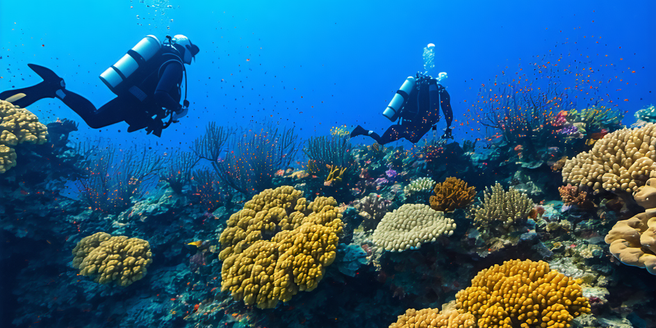
Conservation projects are diverse, ranging from wildlife preservation to habitat restoration, and each offers unique opportunities to make a difference. You can join marine conservation efforts focused on coral reef protection, or participate in wildlife research and monitoring programs. Volunteers play a crucial role in providing manpower and gathering valuable data in these initiatives. By getting involved, you contribute to the collective global effort to preserve our planet’s natural resources. Forest conservation, aimed at combating deforestation and promoting sustainable land use, is also vital. These projects not only help protect endangered species but also bring awareness to the challenges ecosystems face. Whether you’re based in urban centers or remote areas, there’s a project that melds with your interests and skills, and contributes to global conservation goals.
Skills and Qualifications Needed
While most conservation volunteer opportunities welcome all skill levels, certain qualifications can enhance your experience. Basic skills such as teamwork, adaptability, and a strong work ethic are crucial. Specialized skills, like data analysis for research roles, or proficiency in scuba diving for marine projects, can be advantageous. Taking the time to research and select the right program for your interests and skills is also important. Networking with professionals in the field can lead to unique and fulfilling opportunities. Often, volunteers bring passion and eagerness to learn, which are as valuable as formal skills. Programs usually provide training, ensuring you have the knowledge and competencies needed to contribute effectively. Being open to learning and physically prepared to work in outdoor settings will maximize your impact and enjoyment.
How to Find the Right Program for You
Selecting the right conservation program involves research and self-reflection. Consider what aspects of conservation work ignite your passion and decide where you’d like to focus your efforts. It’s important to evaluate your own skills and how they might be utilized within different programs. Take the time to understand different conservation methodologies and how they align with your values. Look into the reputation and impact of organizations you’re considering, seeking those with clear goals and successful past projects. Factor in the location, duration, and cost of the program, aligning these with your personal circumstances and availability. Engage with alumni and read reviews to gain insights into the volunteer experience. This thorough process ensures your contribution is meaningful to both you and the environment.
The Impact of Your Conservation Efforts
Your conservation volunteering efforts create ripples of positive impact, both locally and globally. On a local level, your work helps preserve ecosystems, ensuring species survival and promoting biodiversity. The collaboration with like-minded individuals and communities amplifies the effects of your efforts. The dedication and passion you bring to these efforts are vital in making a long-term difference. Globally, you contribute to large-scale environmental goals such as climate change mitigation and sustainable development. As a volunteer, you inspire others by raising awareness about crucial environmental issues. The skills you gain and the connections you make can lead to career opportunities and foster lifelong commitment to environmental stewardship. Ultimately, the rewards of your efforts extend well beyond personal satisfaction, leaving a lasting legacy for future generations.