
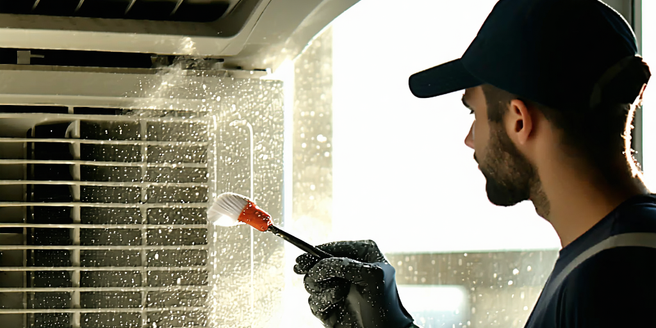
Understanding the Importance of Regular Maintenance
Regular maintenance of your air conditioner is crucial in ensuring its efficient performance and extending its lifespan. Without it, your system might consume more energy, leading to higher electricity bills and more frequent breakdowns. Regular checks can identify small problems before they become major issues, saving you from costly repairs. Cleaning or replacing filters, checking refrigerant levels, and inspecting electrical components are vital tasks in a maintenance routine. Additionally, a well-maintained AC unit provides better indoor air quality, which is essential for your health. By investing in regular maintenance, you also contribute to environmental conservation by reducing energy consumption. Therefore, understanding the importance of regular maintenance goes a long way in ensuring comfort and efficiency in your home.
Signs Your Air Conditioner Needs a Tune-Up
Recognizing the signs that your air conditioner needs a tune-up can prevent costly repairs and ensure effective cooling. One key indicator is reduced airflow; if you notice weaker airflow through the vents, it might suggest issues with the ductwork or the air filter. Unpleasant odors emanating from the unit could also suggest mold or burned-out wires. If your AC is making strange noises, such as grinding or squealing, professional evaluation is necessary. Another sign could be an increase in humidity levels; your air conditioner should automatically regulate humidity, so an imbalance might indicate a malfunction. Finally, if your energy bills are soaring without any change in usage patterns, it may be time for a tune-up. Addressing these issues early will help maintain efficiency and comfort in your home.
DIY Maintenance Tips for Homeowners
As a homeowner, performing DIY maintenance on your air conditioning unit can save you money and prolong its life. Start by regularly cleaning or replacing air filters every one to three months, especially during high-use seasons. Dirty filters can obstruct airflow and reduce efficiency. Keep the area around your outdoor unit clean and free of debris, ensuring at least two feet of clearance for optimal airflow. Check the fins of the unit for any damage and gently clean them with a soft brush. It’s also advisable to inspect the condensate drain line to prevent blockages and potential water damage. Lastly, ensure that your thermostat is working accurately by comparing its reading with a separate thermometer. Incorporating these simple DIY tasks into your routine can significantly improve your AC system’s performance.
Choosing the Right Professional Service
Selecting the right professional service for your air conditioning maintenance is essential for ensuring effective and reliable performance. Start by researching reputable HVAC companies in your area. Look for certifications and licenses that demonstrate expertise and professionalism. Reading online reviews can provide insight into the experiences of other customers. It’s important to request quotes from multiple companies for a comprehensive comparison, keeping an eye out for transparency in pricing and services offered. Avoid companies that give estimates without inspecting your system. Additionally, confirm that the company offers a service warranty in case issues arise after maintenance. Building a relationship with a trustworthy HVAC professional can provide peace of mind and ensure your system is well-maintained over time.
Seasonal Maintenance Checklist
Adopting a seasonal maintenance checklist for your air conditioning system can optimize its performance and extend its lifespan. Start each season by replacing the air filter to maintain optimal airflow and efficiency. Inspect the system’s electrical connections and tighten any loose terminals to prevent potential fire hazards. Clean the evaporator and condenser coils to enhance heat exchange capacity. As summer approaches, ensure the weather stripping around doors and windows is intact to prevent cool air from escaping. During fall and winter, cover your outdoor unit to protect it from debris. Check the refrigerant levels and replenish if necessary to maintain cooling efficiency. Additionally, schedule a professional check-up to catch any underlying issues before they escalate. By following this checklist, you’ll keep your air conditioner running smoothly all year round.