
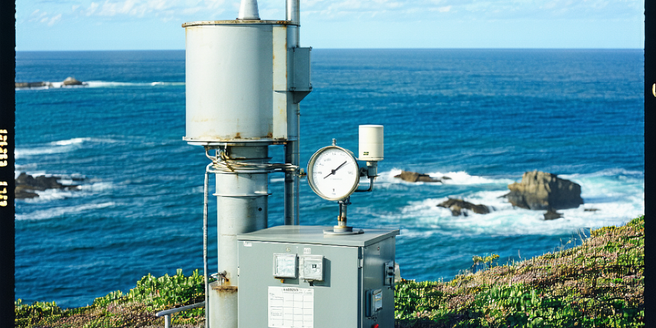
Understanding Weather Stations: An Overview
Weather stations play a crucial role in monitoring environmental conditions. These facilities collect data on various meteorological elements including temperature, humidity, wind speed, and atmospheric pressure. By doing so, they provide essential information for weather forecasting and climatic research. Modern weather stations are equipped with a range of sensors and instruments that ensure data accuracy and reliability. They can be manned or automated, with automated stations offering the advantage of real-time data transmission. Although weather stations come in different forms, their primary function remains the same: to gather data that can predict weather patterns and help mitigate natural disasters. Understanding how these stations function is fundamental in appreciating their contribution to science and society.
Types of Weather Stations and Their Uses
Weather stations vary significantly depending on their intended applications and settings. The main types include personal weather stations, home weather stations, and synoptic stations. Personal and home stations are typically used by hobbyists for personal data collection, whereas synoptic stations are part of national and global networks used for professional meteorology work. Agricultural weather stations are specially designed to assist farmers with data relevant to farming such as precipitation and soil moisture levels. Research stations, often located in remote or extreme environments, focus on specific scientific inquiries. Each type serves its unique purpose, whether it’s providing local weather updates or contributing to larger climate models, thereby underscoring the versatility of weather stations in modern meteorology.
How Weather Stations Collect Data
Weather stations use a variety of sophisticated instruments to gather accurate meteorological data. These include thermometers for temperature, barometers for atmospheric pressure, anemometers for wind speed, and hygrometers for humidity levels. Rain gauges measure precipitation, while more advanced stations might include pyranometers for solar radiation. These instruments are often connected to a central data logger that records these readings at regular intervals. Many modern weather stations are automated, which allows them to continuously collect and transmit data to central networks in real time. This reliable, ongoing data collection is crucial for creating weather forecasts and models, providing an invaluable resource for meteorologists and climatologists involved in weather prediction and climate change research.
The Importance of Accurate Weather Data
Accurate weather data plays a critical role in various sectors, including agriculture, aviation, and emergency management. Reliable forecasts based on precise data help farmers optimize planting schedules, reduce crop loss, and manage irrigation systems efficiently. In aviation, accurate weather data ensures flight safety by helping pilots navigate adverse weather conditions. Emergency services rely on weather data to prepare for natural disasters such as hurricanes and floods, facilitating timely evacuations and resource allocation. Furthermore, weather data contributes significantly to scientific research on climate change. With precise data collection, researchers can monitor environmental shifts and better understand global weather patterns, which is essential for developing strategies to combat climate change.
Impact of Weather Stations on Local Economies
Weather stations can have a significant positive impact on local economies by providing critical data that aids in decision-making across various sectors. In agriculture, accurate weather predictions can lead to better crop yields and agricultural efficiency, which boosts local food production and the economy. Construction projects rely on weather data for planning and safety; accurate forecasts ensure that work continues on schedule, preventing costly delays. Moreover, tourism thrives on weather predictions, with events and activities aligned with favorable conditions. Additionally, insurance companies use weather data to assess risk and set premiums accurately. By aiding these industries, weather stations contribute to increased economic stability and growth in local communities.
Future Trends in Weather Station Technology
The future of weather station technology is poised to make significant advancements with the integration of cutting-edge innovations. One major trend is the adoption of IoT (Internet of Things) devices, which allow for real-time data transmission and enhanced remote monitoring capabilities. Machine learning and artificial intelligence are being increasingly used to analyze vast amounts of weather data more efficiently, improving the accuracy of forecasts. Solar-powered and energy-efficient weather stations are becoming more popular, especially in remote areas where power supply is a challenge. Furthermore, advancements in low-cost sensor technologies are making high-quality weather data accessible to a wider audience, democratizing weather analysis and contributing to global climate studies.