
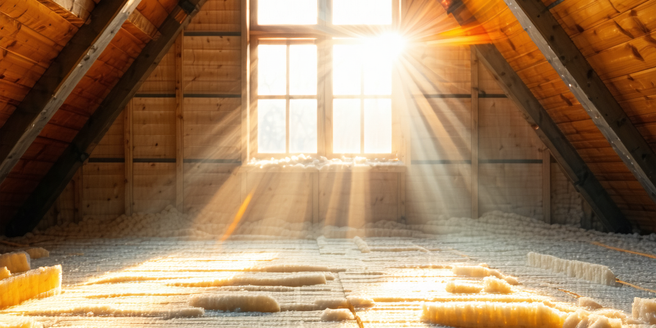
Understanding Insulation R-Values
Insulation R-values measure the material’s resistance to heat flow. A higher R-value indicates better insulating properties, essential in maintaining a comfortable indoor climate and reducing energy bills. When insulating a home, it’s worth consulting with a professional to determine the best options. Additionally, it’s crucial to note that R-value effectiveness can diminish over time, necessitating regular assessments. Regular maintenance and checks can help ensure that your insulation is performing at its best. Factors such as material type, thickness, and installation method affect the R-value. Homeowners should select appropriate R-values based on climate conditions and specific areas within their home, like attics and crawl spaces, which may require higher values. Understanding these values ensures optimal energy efficiency and comfort.
Types of Insulation Materials
Several insulation materials suit different needs. Fiberglass, one of the most common types, is often used in batts and rolls. Spray foam provides an excellent air barrier, ideal for sealing gaps in attics and walls. It’s crucial to consider the installation method as well when selecting an insulation type. Additionally, proper research can help you avoid potential pitfalls. In addition, understanding the R-value of each material can help in evaluating their thermal performance. Cellulose, made from recycled materials, offers an eco-friendly option. Foam board is excellent for areas needing thin yet effective insulation. Each material has unique properties, making it essential to assess their advantages and drawbacks for your specific project requirements.
Assessing Your Home’s Insulation Needs
Conducting an insulation assessment is an essential step in identifying areas of your home that may need improvement to enhance energy efficiency. Begin by thoroughly inspecting common trouble spots such as attics, basements, walls, and crawl spaces, as these areas are often prone to insulation issues. Check to ensure that the existing insulation is in good condition by looking for signs of moisture damage or pest infestations that can compromise its effectiveness. Utilize tools like thermal cameras or hire professionals to conduct energy audits; these measures can help pinpoint specific areas where heat loss is occurring. Understanding your current insulation status is crucial, as it allows you to prioritize necessary upgrades and interventions. By doing so, you can maximize energy savings, improve the overall comfort of your home, and reduce monthly utility costs. Taking the time to assess and enhance your insulation can lead to significant long-term benefits for both your wallet and the environment. Additionally, staying proactive about your insulation needs helps maintain a healthier living environment by mitigating issues related to drafts, mold, or inefficient energy use. Ultimately, a well-insulated home is not only more comfortable but also more sustainable.
DIY Insulation Installation Tips
Planning a DIY insulation project requires thorough preparation and attention to safety. Gather all necessary tools such as a utility knife, measuring tape, and protective gear like gloves, goggles, and a face mask. These are essential to protect against hazards like sharp edges and airborne particles. Familiarize yourself with different material application techniques, like cutting fiberglass batts to fit snugly or spraying foam to fill crevices. Each material has its own best practices, so take the time to learn these skills for successful application.
Ensure that you seal all gaps, joints, and seams to achieve optimal insulation performance, as even small gaps can lead to significant energy loss. Follow local building codes and manufacturer’s instructions to avoid installation issues, ensuring safety, structural integrity, and energy efficiency.
Proper installation creates a barrier to heat loss or gain, leading to a more comfortable and cost-efficient home environment where temperatures are maintained without over-reliance on heating or cooling systems. By following these steps, you’ll enhance your home’s energy efficiency, contribute to long-term savings on utility bills, and reduce your carbon footprint. An effective insulation project is an investment in both your home and the environment.
When to Hire a Professional
While DIY projects can be rewarding, some insulation tasks warrant professional expertise. Complicated installations, such as spray foam insulation or areas with difficult access, require specialized equipment and experience. Professionals ensure the job is done correctly, adhering to safety and building regulations, which can lead to enhanced energy efficiency, precise material usage, and provide a warranty for the work. This not only offers peace of mind but also long-term cost benefits.
Additionally, professionals can identify potential issues like moisture buildup or structural weaknesses that might not be visible to an untrained eye. They have access to high-quality materials not usually available to the average consumer, ensuring a more durable and effective insulation solution. Their expertise allows them to complete the job efficiently, minimizing disruptions and reducing the risk of costly future errors. In summary, while DIY options might be tempting, hiring a professional for more complex insulation projects ensures the best results and protects your investment.