
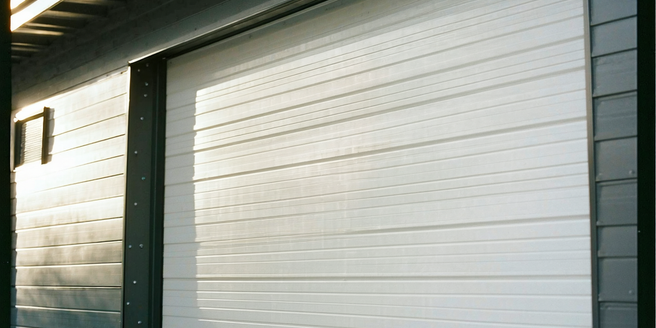
Understanding Wind Loads and Their Impact on Garage Doors
Garage doors play a crucial role in maintaining the structural integrity of a home during wind events. Understanding wind loads involves recognizing how wind pressure can affect a building’s exterior elements, particularly large flat surfaces like garage doors. Garage doors are susceptible to being pushed inward or pulled outward depending on the wind’s direction and intensity. This can lead to significant damage not only to the door itself but also to the entire garage structure, potentially impacting the house. Local building codes often specify wind load requirements for garage doors, especially in regions prone to high winds or hurricanes. Hence, it’s essential to ensure that your garage door complies with these regulations to prevent structural failures.
Types of Garage Doors and Their Resistance to Wind
Garage doors come in various types, each offering different levels of wind resistance. One of the primary considerations when selecting a garage door is its design and how it copes with wind pressure. Steel garage doors, for instance, offer robust resistance due to their rigidity. Meanwhile, wood composite doors may require additional reinforcement to withstand high wind speeds. Sectional garage doors, which are made of several horizontal panels, might perform better during wind events compared to single-panel doors. It’s critical to understand these differences when choosing a garage door, especially if you live in a wind-prone area. Opt for doors that meet wind load standards, even if it requires a higher upfront investment.
Materials Matter: Choosing the Best Option for Windy Climates
Selecting the right material is vital for ensuring that a garage door can withstand high winds. Materials such as galvanized steel are preferred due to their strength and durability. Aluminum is another option, offering a good balance between weight and resistance, but it may require reinforcement for extreme conditions. Wooden garage doors might provide aesthetic appeal, but they need substantial internal supports to combat wind forces. Composite materials are gaining popularity as they offer a combination of strength and reduced weight. When choosing materials, consider not only the wind rating but also the long-term maintenance and corrosion resistance to ensure longevity and protection.
Reinforcement Techniques for Existing Garage Doors
If a new garage door isn’t feasible, reinforcing an existing one can enhance its wind resistance. One common method is installing horizontal or vertical bracing to stiffen the structure. These braces can be made from steel and attached to the panels to provide additional support. Retrofitting the door with wind-rated hardware, such as stronger hinges and tracks, can also improve performance during storms. Regular maintenance, including checking for rust and ensuring the door operates smoothly, is essential in keeping these reinforcements effective. Consulting with a professional can help determine the best strategies for retrofitting your current setup.
Professional Installation and Routine Maintenance for Wind Safety
Professional installation is crucial for ensuring that garage doors meet wind safety standards. Experts can correctly measure and fit the door, ensuring that all components are aligned and securely fastened. Having the right professionals ensures the door functions optimally under various weather conditions. Regular maintenance by a professional can help identify potential weaknesses, such as loose fittings or worn-out rollers, that could compromise the door’s wind resistance. Maintenance checks should include inspecting weather seals, lubricating moving parts, and tightening any loose nuts or bolts. Routine servicing not only strengthens the door’s resistance to wind but also extends its lifespan, providing peace of mind during storm seasons.
Cost-effective Measures to Enhance Wind Resistance in Garage Doors
Enhancing wind resistance doesn’t always require a costly overhaul. Simple adjustments and upgrades can improve a garage door’s performance against high winds. Installing additional locking mechanisms can help keep the door secure during storms. Upgrading to wind-rated garage door openers, designed to hold the door steady against gusts, is another efficient solution. Weatherstripping can be used to reduce drafts and prevent water from seeping through gaps. Storm panels or shields offer a temporary yet effective barrier to protect garage doors during severe weather. These measures, though not comprehensive, can provide substantial improvements without significant expenses.