
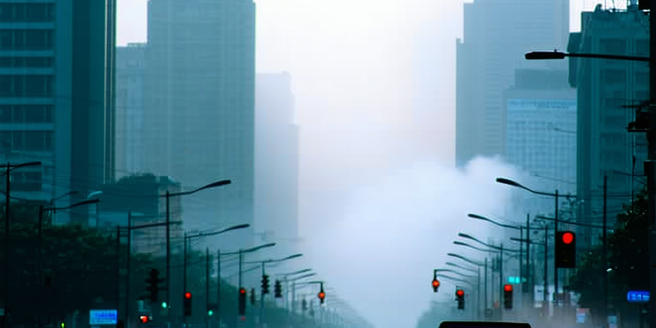
Understanding Air Pollution and Its Sources
Air pollution stems from multiple sources, both natural and anthropogenic. Natural sources include wildfires, dust storms, and volcanic eruptions, while human-related emissions primarily come from burning fossil fuels, industrial manufacturing, and vehicular exhaust. Additionally, agriculture and deforestation contribute significantly to local and global air pollution levels. Urban areas, in particular, experience heightened levels of pollutants like nitrogen dioxide, sulfur dioxide, particulate matter, and ground-level ozone. It’s crucial to understand these sources as they are often interconnected and exhibit synergetic effects, exacerbating air quality issues. Addressing such diverse pollution sources requires a holistic approach involving stricter regulations, better management practices, and cleaner technologies. Raising awareness about the impact of individual choices remains vital to effectively reducing emissions and improving air quality.
Short-term Health Effects of Air Pollution
Exposure to poor air quality, even for short durations, can trigger acute health problems. Individuals might experience irritation of the eyes, nose, and throat, leading to discomfort and inflammation. Respiratory issues such as coughs, bronchitis, and exacerbation of asthma symptoms are common short-term effects. Vulnerable groups like children and the elderly, or those with preexisting respiratory ailments, face augmented risks. Prolonged outdoor activities on high pollution days can worsen these effects, emphasizing the importance of timely pollution alerts and advisories. Short-term exposure is also linked to cardiovascular stress, increasing heart rate and impacting heart health. Thus, understanding immediate health responses to air pollutants is essential in mitigating risks and ensuring preventative strategies are in place, particularly in high-pollution regions.
Long-term Consequences on Respiratory Health
Chronic exposure to polluted air has debilitating effects on respiratory health. Continuous inhalation of pollutants like particulate matter and ozone can lead to chronic obstructive pulmonary disease (COPD), lung cancer, and reduced lung function over time. Persistent exposure intensifies inflammation in the airways, gradually damaging lung tissue and reducing overall respiratory efficiency. This is particularly concerning for children, as their lungs are still developing and might result in lifelong health challenges. Adults with ongoing exposure face an increased risk of pulmonary diseases that are difficult to treat or manage. Long-term health surveillance and regular medical check-ups are vital for populations residing in high-pollution zones. Implementing stricter air quality standards and encouraging cleaner energy sources are essential measures in safeguarding long-term respiratory health.
Impact on Cardiovascular Health
Air pollution is a significant risk factor for cardiovascular diseases. Continuous exposure can lead to arterial inflammation, increasing the likelihood of atherosclerosis, which can precipitate heart attacks and strokes. Particulate matter and other pollutants enter the bloodstream through the respiratory system, causing oxidative stress and promoting clot formation. Studies have shown a correlation between elevated levels of air pollution and an increase in hypertension, irregular heartbeats, and other heart-related issues. The risks are particularly pronounced in individuals with preexisting heart conditions. Therefore, understanding the cardiovascular implications of air pollution highlights the importance of monitoring and improving air quality. Public health initiatives aimed at reducing exposure and providing timely health interventions are essential in mitigating these impacts on cardiovascular health.
Vulnerable Populations at Greater Risk
Certain populations are disproportionately affected by air pollution due to inherent vulnerabilities. Children, for instance, have higher breathing rates per body size and are more susceptible to pollutants; they face risks to their developing respiratory and immune systems. Elderly individuals, often with compromised health, can experience aggravated symptoms from both short-term and chronic exposure. Additionally, marginalized communities typically residing in proximity to industrial areas or traffic-heavy zones face elevated exposure. These areas often lack proper regulatory enforcement, exacerbating health disparities. Strategies to address these concerns include targeted policy interventions that improve air quality monitoring in at-risk areas and enhanced community education efforts. Empowering these populations with resources and knowledge remains a cornerstone in reducing health risks linked to air pollution.