
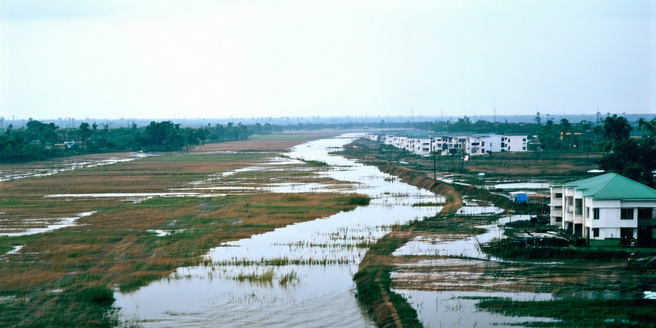
Understanding Recent Climate Changes Impacting Construction Codes
Recent climate changes have exacerbated the need for adaptive construction codes. With increasing global temperatures, we’re witnessing more severe weather patterns, which directly impact building integrity. Construction codes must now factor in these variables to ensure structures withstand extreme conditions. This involves not only redesigning buildings but also updating materials and techniques to address climate resilience. In particular, areas prone to hurricanes, floods, or fires must adopt stringent measures to protect life and property. The adjustments to construction codes are based on scientific data and projections, emphasizing the importance of safety and sustainability. By understanding these climatic shifts, the construction industry can better prepare and respond to the demands posed by the evolving environmental landscapes, ultimately ensuring that new and existing structures remain robust.
Key Building Code Modifications for Enhanced Storm Resilience
To enhance storm resilience, key modifications to building codes have been introduced, focusing on structural integrity and materials. These changes involve reinforcing building frameworks to withstand high winds and heavy rains often associated with severe storms. Developers are now required to use impact-resistant materials such as reinforced concrete, which provides greater durability under duress. Roof designs must accommodate improved drainage systems to prevent water accumulation. Additionally, new standards mandate the inclusion of protective barriers and floodproofing measures in vulnerable areas. The implementation of these modifications and adherence to updated codes play a critical role in minimizing damage and ensuring occupant safety during storm events. Communities at risk of storms must consider these updates as essential strategies in defending against the rising frequency and intensity of meteorological phenomena.
Innovative Materials and Techniques for Stormproof Structures
The introduction of innovative materials and construction techniques is vital for creating stormproof structures. Advanced materials like graphene-enhanced concrete and cross-laminated timber offer superior strength and flexibility, making them suitable for areas prone to harsh weather. Techniques such as modular construction allow for quick assembly and resilience, providing structures with enhanced resistance to storms. The use of aerodynamic designs helps reduce wind load, lowering the risk of damage. Additionally, implementing smart technologies, such as sensor-driven systems, can monitor structural integrity and provide real-time data to preemptively address vulnerabilities. These innovations not only extend the lifespan of buildings but also enhance safety for occupants. In the face of escalating climatic threats, these emerging solutions stand at the forefront of building practice, paving the way for safer and more sustainable urban planning.
The Role of Technology in Adapting Building Standards
Technology plays an increasingly crucial role in adapting building standards to meet evolving environmental challenges. With the advent of advanced simulation software, engineers and architects can now predict weather impacts on various building designs, optimizing structures for resilience. Building information modeling (BIM) facilitates enhanced planning and execution, ensuring compliance with updated codes. Additionally, smart building technologies offer real-time monitoring and automated system adjustments to maintain structural integrity in severe weather conditions. These innovations allow for proactive measures rather than reactive responses, elevating the preparedness of buildings against storms. As technological advancements continue to evolve, their integration into construction practices becomes instrumental in adapting the built environment to withstand current and future climatic dynamics. This proactive adaptation is essential in aligning construction practices with the demands of an uncertain and rapidly changing climate.
Case Studies: Successful Implementation of Updated Codes
Case studies examining the successful implementation of updated building codes provide invaluable insight into their effectiveness. In coastal regions, where the risk of hurricanes and flooding is prevalent, revised construction codes have led to significant reductions in damage. For example, buildings constructed with reinforced materials and elevated foundations have fared better in recent storm events. In urban areas, adopting green roofs and permeable pavements has alleviated the impacts of intense rainfall. These real-world applications demonstrate the practical benefits of adhering to modernized codes, showcasing improved resilience and reduced recovery costs. By analyzing these instances, policymakers and industry stakeholders gain a clearer understanding of the necessity and advantages of integrating updated codes into construction projects. Such examples underscore the critical nature of evolving traditional practices to safeguard against the region-specific threats posed by climate change.
Future Predictions: How Building Codes May Evolve with Climate Trends
As climate trends continue to evolve, building codes are expected to undergo significant transformations. Future codes will likely incorporate more stringent standards for sustainability and resilience, emphasizing renewable building materials and energy-efficient designs to reduce carbon footprints. Predictive analytics will emerge as a key tool in guiding code evolution, allowing for anticipatory adjustments based on climate projections. Advances in technology will facilitate dynamic, adaptable building designs capable of adjusting to changing environmental conditions. The integration of artificial intelligence in construction could further enhance predictive maintenance and automated responses to environmental stressors. As extreme weather patterns become more commonplace, building codes will not only address structural and occupant safety but also prioritize ecological balance. These ongoing developments ensure that future constructions remain aligned with ecological realities and urban sustainable progress.