
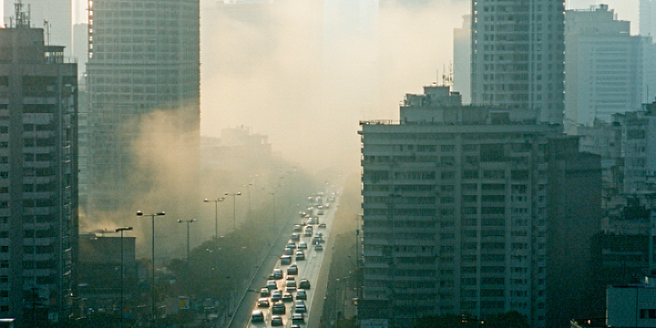
Introduction to Air Pollution and Climate Change
Air pollution and climate change are two interconnected challenges affecting our planet. Air pollutants, including greenhouse gases such as carbon dioxide and methane, contribute to atmospheric changes that lead to global warming. Pollutants originate from multiple sources, including industrial emissions, vehicle exhausts, and agricultural practices, and contain harmful chemicals like nitrogen oxides and particulates. As these pollutants accumulate, they trap heat in the atmosphere, enhancing the greenhouse effect and causing global temperatures to rise. Understanding the relationship between air pollution and climate change is crucial for developing strategies to address and mitigate their impact. Efforts involve reducing emissions, transitioning to renewable energy sources, and implementing policies that promote cleaner technologies. Collaborative actions on both global and local levels can significantly mitigate these environmental threats and promote a healthier planet.
Sources and Types of Air Pollutants
Air pollutants arise from both natural and anthropogenic sources. Human activities such as burning fossil fuels for energy, industrial operations, and agricultural practices are major contributors to air pollution. Key pollutants include particulate matter, sulfur dioxide, nitrogen oxides, carbon monoxide, and volatile organic compounds. Natural sources, such as wildfires, dust storms, and volcanic eruptions, also release significant amounts of pollutants. Particulate matter, or PM, can be especially harmful to human health and the environment, with fine particles penetrating deep into the respiratory system. Understanding the diverse sources and types of air pollutants helps in devising targeted strategies to reduce emissions. Technological advancements, stricter regulations, and public awareness campaigns are crucial to managing and mitigating pollution levels, thereby protecting air quality and promoting sustainable development.
How Air Pollution Contributes to Global Warming
Air pollution significantly contributes to global warming through the emission of greenhouse gases like carbon dioxide and methane, which trap heat in the Earth’s atmosphere. Other pollutants, such as black carbon or soot, exacerbate warming by absorbing sunlight and increasing atmospheric temperatures. These pollutants often result from the burning of fossil fuels in transportation, industrial processes, and the generation of electricity. Additionally, pollutants can affect the reflectivity, or albedo, of the atmosphere by impacting cloud formation and ice melt, further enhancing the greenhouse effect. The multifaceted nature of air pollution’s impact on global warming underscores the importance of understanding and addressing these interactions. By curbing emissions, improving energy efficiency, and adopting renewable energy sources, we can reduce pollution’s contribution to climate change and work towards a more sustainable future.
Impact of Rising Temperatures on Ecosystems
Increasing global temperatures pose significant threats to ecosystems worldwide. As climates shift, habitats may become inhospitable for many species, leading to biodiversity loss and disrupting ecological balance. Rising temperatures influence the timing of seasonal events such as migration, breeding, and flowering, which can lead to mismatched ecological relationships. For instance, if plants bloom earlier due to warmer weather, the animals that depend on them might not be in sync, impacting food availability. Warmer conditions also increase the vulnerability of ecosystems to invasive species, pests, and diseases, further stressing native species. Aquatic environments are particularly susceptible, as increased temperatures can lead to coral bleaching and the depletion of oxygen levels, affecting marine life. Protecting and restoring ecosystems are crucial strategies for enhancing resilience to climate change impacts.
Health Implications of Pollution and Heat
Air pollution and rising temperatures pose severe health risks to human populations. Pollutants like particulate matter, ozone, and nitrogen dioxide can exacerbate respiratory and cardiovascular diseases, leading to increased morbidity and mortality rates. Vulnerable populations, including children, the elderly, and those with pre-existing health conditions, are particularly at risk. Higher temperatures can exacerbate air pollution effects, as heat contributes to the formation of ground-level ozone, a harmful pollutant. Moreover, extreme heatwaves, which are becoming more frequent due to climate change, can lead to heat exhaustion, heatstroke, and dehydration. Ensuring access to clean air, promoting public health measures, and reducing emissions are vital steps in mitigating adverse health outcomes. Urban planning and green infrastructure can also help reduce exposure to pollution and heat, improving overall public health resilience.
Global Efforts to Mitigate Pollution and Warming
Countries worldwide are collaborating to combat air pollution and global warming through international agreements and initiatives. The Paris Agreement, for instance, aims to limit global temperature rise by reducing greenhouse gas emissions and enhancing sustainable practices. Nations are increasingly focusing on renewable energy sources, such as wind, solar, and hydroelectric power, to reduce reliance on fossil fuels. Technological innovations, like carbon capture and storage, are being developed to mitigate emissions from industrial sources. Additionally, policies promoting energy efficiency, public transportation, and green urban development can contribute to pollution reduction. Public awareness campaigns and educational initiatives also play a critical role in fostering sustainable behaviors. By promoting shared responsibility and collective action, global efforts aim to create a greener, healthier, and more sustainable future for all.